In winter, with snow and ice covering the land, all things wither, and Yang energy lies dormant. Traditional Chinese Medicine (TCM) considers winter an excellent time for the body to nourish and replenish. Diet is a key aspect of winter health preservation. We can choose warm and nourishing foods in the cold weather to strengthen the body and warm up to defend against the cold. Options include lamb, pork, beef, chicken, and fish or shrimp. However, there are specific guidelines for consuming these foods; otherwise, the effects may be less than optimal.
White Radish and Pork Stew
Pork
Pork is the best source of iron, especially lean meat, which contains a large amount of protein and hemoglobin, making it very effective for iron supplementation and preventing anemia. Moreover, the iron from lean pork is more effectively absorbed than that from plant-based vegetables.
Guidelines for eating pork:
When eating pork, we should separate the fat from the lean meat. The difference between them is significant, as fat meat has a high fat content but little protein, and excessive consumption can lead to high blood lipids and obesity. Additionally, eating more lean pork can help nourish Yin and moisten dryness, and prevent constipation!
Braised Lamb
Lamb
Many women favor lamb. Lamb is nourishing, tonifies Yang, and improves lung deficiency. Eating lamb in winter can enhance the body's ability to resist cold, strengthen the body, and alleviate the common issue of cold hands and feet in women during the colder months.
Guidelines for eating lamb:
Lamb is considered a warming food. Those with coughing and excessive phlegm, Yin deficiency with blazing fire, indigestion, arthritis, eczema, or a fever should avoid it.
Spicy and Savory Shrimp
Fish and Shrimp
In addition to the protein found in common meats, our bodies also need trace minerals, which can be abundantly supplemented from fish and shrimp. Fish and shrimp from the deep sea are particularly rich in nutrients and have become an indispensable health food on many people's tables.
Guidelines for eating fish and shrimp:
Although fish and shrimp are highly nutritious, they can easily be contaminated by toxins and harmful substances in their environment. Overconsumption can damage the spleen and stomach, leading to digestive issues. Furthermore, patients with allergies should be cautious with seafood to avoid triggering or worsening allergic reactions.
Red Mushroom Chicken Soup
Chicken
Chicken is the meat with the least fat, but the skin should not be eaten as it contains a large amount of fat. For every 100 grams of skinless chicken, there are 24 grams of protein but only 0.7 grams of fat. Eating more chicken can help alleviate symptoms in women such as malnutrition, irregular menstruation, anemia, aversion to cold, and general weakness.
Guidelines for eating chicken:
Different types of chicken have different primary benefits. For instance, Silkie chicken is generally used for nourishing Yin and replenishing, while old hens are often used for tonifying the body and improving symptoms of weakness.
Braised Beef Brisket
Beef
Eating more beef can supplement the body's energy. Women who are weak, with a feeling of chest tightness and shortness of breath, can try beef stew or dishes. The amino acid composition of protein in beef better meets the body's needs, helping to improve disease resistance. It is suitable for post-operative recovery, growth and development, or convalescence after a serious illness.
Guidelines for eating beef:
The muscle fibers of beef are relatively coarse and not easily digested by the human stomach. It must be thoroughly cooked before consumption to facilitate digestion and absorption. Additionally, beef has high cholesterol and fat, so the elderly, young children, and those with weak digestion should not eat too much of it.
These are the five key guidelines for eating meat in winter. It is important to note that while winter is a time for nourishment, consuming excessive greasy food can create internal heat, leading to constipation, irritability, or acne, which in turn creates an internal environment conducive to the flu. Furthermore, it is not advisable to eat too much during winter to avoid indigestion, which can lead to constipation over time.
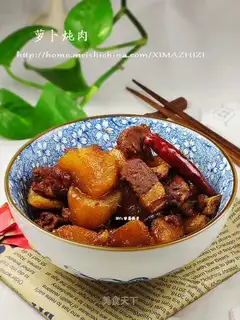 Stewed pork with white radish
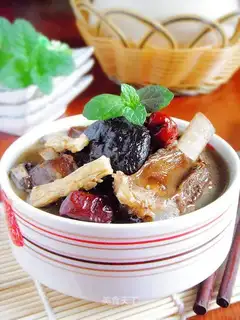 braised mutton
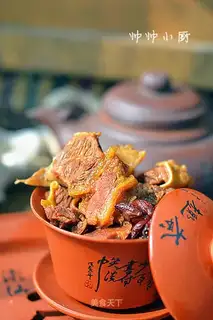 Red calf
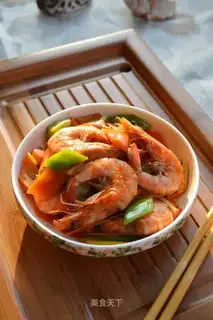 Spicy shrimp
 A fruit plate