Family and friends gather for feasts; skipping breakfast and having a heavy dinner; working overtime to the point of forgetting to eat... In our daily lives, our stomachs often face "extreme" treatment, surviving in a "deformed" state, leading to a succession of gastric ailments such as acute gastroenteritis, alcohol poisoning, and gastric bleeding.
Chicken Soup with Hericium Erinaceus, Corn, and Chinese Yam
People of all ages are troubled by stomach problems.
The stomach is located in the upper left abdomen of the human body. It is like a sack that can store and digest food, and it is also very elastic. Through the stomach's churning and the action of digestive enzymes, food is thoroughly mixed and blended into a porridge-like mixture that is easy for the intestines to digest and absorb. Normally, water is emptied from the stomach in just a few minutes, carbohydrates take about 2 hours, while proteins and fats take a relatively longer time.
Our stomach may seem powerful, capable of digesting all kinds of tastes—sour, sweet, bitter, spicy—and all kinds of textures, soft and hard. But it is far more fragile than we imagine. China is a "country of stomach diseases," with about 120 million patients out of a population of 1.3 billion. At the same time, the incidence of gastric cancer in China currently ranks second among all malignant tumors, and its mortality rate is the third highest. More alarmingly, China reports over 420,000 new cases of gastric cancer annually, accounting for 42% of the global total, ranking first in the world.
Secrets to Nourishing the Stomach
1. Develop good living habits: Eat small meals more frequently, and only eat until you are 70% full. Eat a good breakfast, a full lunch, and a light dinner. Avoid overeating.
2. Change eating habits: Eat on time. Sit down to eat, do not stand or squat. Avoid spicy, fried, and smoked foods like barbecue. Do not eat overly sour, cold, or strongly stimulating foods. Do not drink alcohol, and drink less strong tea and coffee. Eat more vegetables and high-fiber foods such as celery and mushrooms.
3. Active dietary therapy and massage for health: Warming foods like lamb and dog meat are good for nourishing the stomach and are suitable for those with a "cold stomach." Garlic has disinfectant and antibacterial properties that can help eliminate inflammation; it is recommended to eat more. In addition, goji berries, tremella (snow fungus), red dates, and walnuts can be eaten as snacks or used in cooking. After meals and before bed, rub your hands together until warm, then rub them around your navel in a clockwise circle for 64 times. Afterward, rub your warm hands on your lower abdomen. Maintain a peaceful mind - the occurrence and development of stomach diseases are closely related to a person's emotions and mentality. Therefore, it is important to pay attention to psychological hygiene, keep your spirits happy and emotions stable, and avoid stimulation from negative emotions such as tension, anxiety, and anger.
Foods that Nourish the Stomach
1. Sweet Potato: Sweet potatoes are rich in starch, dietary fiber, carotene, vitamins A, B, C, E, and more than 10 trace elements such as potassium, iron, copper, selenium, and calcium, as well as linoleic acid. They are highly nutritious and are called the most balanced health food by nutritionists. These substances can maintain blood vessel elasticity and are very effective in preventing habitual constipation in the elderly.
2. Dried Hawthorn: Unlike hawthorn slices, which require a large amount of sugar and additives, dried hawthorn is made by directly dehydrating hawthorn. It not only has a high fiber content but is also rich in nutrients such as vitamins, hawthorn acid, and citric acid. It tastes great and can be considered an excellent product for aiding digestion, resolving food stagnation, and whetting the appetite.
3. Hericium Erinaceus (Lion's Mane Mushroom): Hericium Erinaceus contains unsaturated fatty acids, which are beneficial for blood circulation and can lower blood cholesterol levels. It has the function of improving the body's immunity, can delay aging, and can inhibit the synthesis of genetic material in cancer cells, thereby preventing and treating digestive tract diseases such as gastric ulcers, duodenal ulcers, and gastritis.
4. Red Dates: Red dates contain triterpenoid compounds and cyclic adenosine monophosphate, which have strong anti-cancer and anti-allergic effects. In addition, red dates can also increase the secretion of gastrointestinal mucus, correct gastrointestinal damage, and protect the liver.
5. Pumpkin: Pumpkin is very beneficial for nourishing the spleen and stomach and aiding digestion. From a nutritional perspective, pumpkin is rich in vitamin A, which can protect the gastrointestinal mucosa and prevent diseases such as gastritis and gastric ulcers.
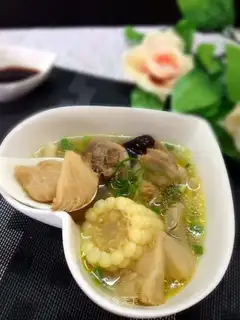 Monkey mushroom corn chicken soup