Li Shizhen said: "Peas belong to the Earth element, so they are mainly used to treat diseases of the spleen and stomach." Peas are a food we often eat in our daily lives and belong to the legume family. Traditional Chinese medicine believes that peas are sweet in taste, neutral in nature, and non-toxic. When boiled, they can treat thirst, relieve vomiting, benefit the middle and harmonize qi, and improve complexion and fitness. Additionally, peas are rich in vitamin A, which is good for eye protection, making them especially suitable for office workers to eat in the spring.
Peas are neutral in nature and sweet in taste, entering the spleen and stomach meridians. They have the effects of promoting saliva to quench thirst, benefiting the spleen and harmonizing the stomach, and promoting urination. They are mainly used to treat spleen deficiency with weak qi, vomiting, and diarrhea. They are also rich in vitamin A, have a therapeutic effect for eye protection, and their vitamin C content is much higher than that of dried beans. In spring, fresh peas are tender and fresh, nutritious, and delicious. Besides being a leader in protein content among vegetables, fresh peas are also rich in various vitamins, minerals, and dietary fiber, making them a low-fat, high-nutrient food.
【Sichuan】Umami Vegetable Soup
Peas are excellent for eye protection.
Peas are a seasonal spring vegetable with round, fresh green grains that are very attractive. Traditional Chinese medicine believes that peas are neutral in nature and sweet in taste, entering the spleen and stomach meridians. They have the effects of benefiting the spleen and harmonizing the stomach, promoting saliva to quench thirst, and promoting urination. They are mainly used to treat spleen deficiency with weak qi, vomiting, and diarrhea. Peas are rich in protein, and their content of carotene and crude fiber is also considerable. They are also rich in vitamin A, which has a therapeutic effect for eye protection. Additionally, their vitamin C content is much higher than that of dried beans.
Office workers who stare at computers all day can stir-fry carrots, peas, and corn together for a delicious flavor. Additionally, a recommended dish is pea rice. When the rice is almost cooked, add the peas, stir, and continue cooking. After it's done, add shredded onions and diced meat, and let it simmer for a while longer.
Broad Bean Soup is Delicious
Broad beans are sweet in taste and neutral in nature, strengthening the spleen and nourishing the stomach. They are also rich in zinc, phospholipids, and choline, which have a brain-boosting effect, making them especially suitable for people with mental work. Broad beans can be stir-fried, made into congee, or used to make broad bean vermicelli and egg soup: First, stir-fresh broad beans until they change color and become fragrant, add an appropriate amount of water, bring to a boil, and when the broad beans are almost cooked, add soaked vermicelli. After cooking for a while, pour in beaten eggs, and before serving, add a small amount of salt and chopped green onions.
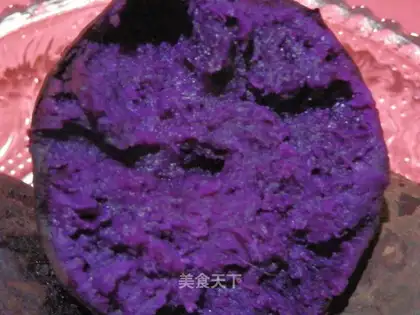 The oven roasted potatoes