As winter gives way to spring, everyone's eating habits should change with the seasons. It's not a time for the rich, nourishing foods of winter. So, the editor here will introduce the principles of early spring eating.
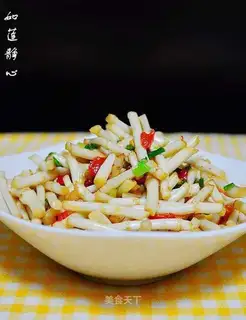
Houttuynia cordata Salad
Four Major Dietary Principles for Early Spring
1. Eat less sour and astringent foods to nourish the spleen
According to Traditional Chinese Medicine (TCM), "In spring, it is advisable to reduce sour foods and increase sweet ones to nourish the spleen." This is because spring is when liver energy is abundant, and an excess of liver energy can affect the spleen, leading to a weak spleen and stomach. Eating more sour foods can over-stimulate liver function. Therefore, for dietary conditioning in spring, it's best to choose pungent, sweet, and warm foods, and avoid sour and astringent ones. The diet should be light and palatable, avoiding greasy, raw, cold, and irritating foods. Additionally, spring is the off-season for many vegetables, but wild and mountain vegetables grow earlier than common vegetables and are rich in vitamins. You can forage for them to supplement the lack of common vegetables.
2. Eat more fruits and vegetables to help fight bacteria
Spring is a transitional season from cold to warm, with significant temperature fluctuations. Bacteria and viruses begin to re-emerge and become more active, easily invading the body and causing illness. Therefore, the diet should provide sufficient vitamins and inorganic salts. Fresh vegetables like bok choy, rapeseed, bell peppers, and tomatoes, and fruits like citrus and lemons are rich in vitamin C, which has antiviral properties. Yellow-green vegetables like carrots and amaranth are rich in vitamin A, which can protect and strengthen the mucous membranes of the upper respiratory tract and epithelial cells of the respiratory organs, thereby resisting various pathogenic factors. Foods rich in vitamin E should also be consumed to improve the body's immune function and enhance its ability to resist disease. These foods include sesame seeds, green cabbage, and cauliflower.
3. Increase protein intake
After a winter of fat storage, it's time to reduce fat intake and increase the intake of high-quality protein in spring. It's appropriate to eat more foods like beans and their products, and fish.
The winter diet is mainly focused on warming and nourishing, and the recent Lunar New Year was also filled with rich and heavy foods. In spring, our diet should be "light and balanced," while also paying attention to selecting ingredients with a "dispersing and uplifting" effect to release the internal heat accumulated over the winter.
4. Seize the opportunity to nourish the liver
According to the TCM principle of "focusing on different organs in different seasons," spring corresponds to the liver. The primary focus is to nourish the yang and benefit the liver to prevent stagnation and poor circulation. TCM also advocates nourishing the liver through diet and the method of "like nourishes like." From the perspective of modern nutrition, the dietary principle for early spring should be a balanced diet high in protein, high in vitamins, and with sufficient calories. "High protein" means appropriately increasing the intake of protein-rich foods according to individual conditions. As spring is when all things sprout, it is an excellent time to regulate the five internal organs.
What diseases should you prevent in early spring? Three recommended dietary remedies
1. Dietary remedy for preventing colds in early spring
Brown Sugar Ginger Soup
Ginger Brown Sugar Water
Ingredients: Three slices of ginger, a small amount of brown sugar
Method: Put ginger and brown sugar in water, bring to a boil, and drink while hot.
Indications: Expels wind and cold, prevents colds. Especially suitable for the early stages of a cold or when you've caught a chill.
2. Dietary remedy for preventing gastrointestinal diseases in early spring
Spring is a time when all things grow, and rising temperatures can easily cause food to spoil. Eating spoiled food can trigger gastrointestinal diseases like diarrhea and stomachaches. Director Chen Ruifang explains that dry-fried garlic has a bactericidal effect. If you eat contaminated food, you can take berberine and Huoxiang Zhengqi pills. If symptoms like nausea, vomiting, or diarrhea occur, drinking congee infused with 5 grams of perilla leaves can relieve discomfort. Additionally, eating more Chinese yam, red dates, and longan is also good for the stomach.
Adzuki Bean and Corn Pork Rib Soup
Ingredients: Lentils, corn, adzuki beans, pork ribs.
Method: Use an appropriate amount of the above ingredients to make a soup.
3. Dietary remedy for preventing cardiovascular and cerebrovascular diseases in early spring
"Middle-aged and elderly people with hypertension, coronary heart disease, and other cardiovascular and cerebrovascular diseases must be especially careful, as spring is a time when strokes and heart attacks are more likely to occur," says Director Chen. Adding a little black fungus to soups and dishes is beneficial for preventing these cardiovascular diseases.
Oatmeal Porridge
Ingredients: Oats (or other five-grain cereals like millet)
Method: Cook oats (you can add millet) into a porridge and drink.
Indications: Prevents arteriosclerosis and lowers blood sugar.
 Frozen fish and grass
 Garlic white meat