The most star-like among them is the peanut, known as the "longevity fruit". Peanut kernels contain about 26% protein, which is twice that of wheat and is easily absorbed and utilized by the human body. They contain 40% fat, of which more than 80% are unsaturated fatty acids. The nutritional value of peanuts is higher than that of grains and can be compared with some animal-based foods such as eggs, milk, and meat. Regular consumption can have an anti-cancer effect.
Peanuts are rich in nutrition and an affordable and easily accessible health food.
According to scientific research, peanuts contain a large amount of plant sterols, which are very beneficial to human health. In particular, β-sitosterol has the effect of preventing colorectal cancer, prostate cancer, breast cancer, and cardiovascular diseases. American scientists have further discovered that peanuts also contain "resveratrol". This substance has strong biological activity, not only can it resist cancer, but it can also inhibit platelet aggregation, preventing myocardial infarction and cerebral infarction. Every 100 grams of peanuts also contains 8.48 milligrams of zinc, which can enhance immune function and delay aging. Therefore, peanuts are praised as the "longevity fruit".
Peanut Benefits
Aging Resistance: The catechins and lysine contained in peanuts have an anti-aging effect on the human body.
Blood Clotting and Hemostasis: The peanut skin contains oils, various vitamins, and substances that shorten blood clotting time. It can counteract the dissolution of fibrin, promote the bone marrow's function of producing platelets, has a hemostatic effect on various hemorrhagic diseases, has a certain therapeutic effect on the primary disease, and is beneficial to the body's hematopoietic function.
Nourishing Blood and Promoting Lactation: The fat oil and protein in peanuts have the effect of nourishing qi and blood, and promoting lactation for women with insufficient milk after childbirth.
Promoting Development: The calcium content in peanuts is extremely high. Calcium is the main component of human bones, so eating more peanuts can promote human growth and development.
Enhancing Memory: The lecithin and cephalin in peanuts are important substances needed by the nervous system, which can delay the decline of brain function and inhibit platelet aggregation, preventing cerebral thrombosis. Experiments have confirmed that regular consumption of peanuts can improve blood circulation, enhance memory, and delay aging.
So, how should peanuts be eaten to be safe and beneficial?
Boiled Peanuts
First, peanuts with a yellowish-green appearance should be removed. Then, soak and rinse them in running water, and then cook them in clean water. Filter out the water and eat them. Aflatoxin is water-soluble. After rinsing and boiling, the aflatoxin contaminating the peanuts is basically dissolved in the water. Eating boiled peanuts is relatively safe and easy to digest and absorb.
Some people say that boiled peanuts are not fragrant or crispy. Is it okay to deep-fry them? Experiments have shown that even when heated to 200°C, aflatoxin cannot be destroyed. Moreover, after high-temperature deep-frying, the protein and fat in peanuts will become heterocyclic amines, polycyclic amines, and other aromatic substances, increasing their carcinogenicity.
Peanuts are best eaten boiled
Nowadays, peanuts can be eaten year-round. It is still very necessary for diners to master some common sense about eating peanuts scientifically. Most people love peanuts, and there are many ways to eat them: raw, deep-fried, stir-fried, or boiled. Among these methods, boiling is the best.
Boiled peanuts retain the plant active compounds originally found in peanuts, such as plant sterols, saponins, resveratrol, and antioxidants, which have a significant effect in preventing malnutrition, diabetes, cardiovascular diseases, and obesity. In particular, β-sitosterol has the effect of preventing colorectal cancer, prostate cancer, breast cancer, and cardiovascular diseases. In addition, resveratrol in it has strong biological activity, not only can it resist cancer, but it can also inhibit platelet aggregation, preventing myocardial infarction and cerebral infarction. Peanuts combine the functions of nutrition, health care, and disease prevention, and play an important role in balancing the diet and improving the nutritional and health status of Chinese residents.
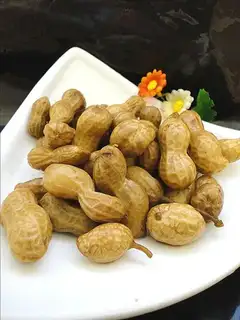 boiled peanuts