Hawthorn is a very delicious ingredient with many benefits. It not only helps us prevent cancer but also has excellent anti-aging effects. Besides these, do you know other benefits of drinking hawthorn water frequently? Today, the editor will introduce the effects and benefits of hawthorn infusion in detail. Let's learn together.
Nutritional Value of Hawthorn
1. Hawthorn has a relatively high caloric content and is rich in carotene, calcium, carbohydrates, hawthorn acid, pectin, and more.
2. The vitamin content in hawthorn is extremely high, second only to jujubes and kiwis. In addition, its carotene and calcium content are also high.
3. Hawthorn leaves contain flavonoid compounds, at 20 times the amount found in the fruit.
Effects and Benefits of Hawthorn Infusion
1. Promotes uterine recovery. Hawthorn has a contracting effect on the uterus, which can induce labor during childbirth and promote postpartum uterine recovery.
2. Stimulates appetite. It whets the appetite and aids digestion, with a particularly good effect on resolving meat-induced indigestion. Many digestive medicines use hawthorn as an ingredient.
3. Invigorates blood and dispels stasis. Hawthorn has the effect of invigorating blood and dispelling stasis, which helps to relieve local blood stasis and provides auxiliary treatment for injuries from falls and blows.
4. Can be used to treat diarrhea. Hawthorn contains ingredients that can relieve asthma and phlegm, inhibit bacteria, and treat abdominal pain and diarrhea.
5. Lowers blood lipids. It prevents cardiovascular diseases, lowers blood pressure and cholesterol, softens blood vessels, and has diuretic and sedative effects.
6. Anti-aging. The flavonoids, vitamin C, carotene, and other substances in hawthorn can block and reduce the generation of free radicals, enhance the body's immunity, and have anti-aging and anti-cancer effects.
Baked Hawthorn Tea
Precautions for Drinking Hawthorn Infusion
1. Hawthorn tea and infusion have the effect of "dispelling Qi" (a concept in Traditional Chinese Medicine), so drinking too much can deplete the body's vital energy. This is especially true for pregnant women, as it can be harmful to their own health and the development of the fetus. In addition, hawthorn can enhance uterine contractions, leading to miscarriage or premature labor. Therefore, pregnant women should avoid consuming hawthorn.
2. Hawthorn should not be taken with tonics like ginseng. This point must be remembered. Furthermore, the amount of hawthorn tea consumed at one time should not be excessive, especially for patients with weak spleen and stomach, who need to be particularly cautious.
3. For people with excessive stomach acid, consuming hawthorn can stimulate a large secretion of gastric acid, increasing its concentration. This can easily lead to nausea, vomiting, and acid regurgitation. In severe cases, it may even cause peptic ulcers.
4. Hawthorn contains a large amount of fruit acid, which can irritate the gastric mucosa and have an astringent effect. The physical functions of the elderly are often weaker, especially their spleen and stomach functions. The digestive systems of children are also not fully mature. If the elderly and children consume too much hawthorn, it can deplete the body's "stomach Qi," weakening digestive function. In severe cases, it can lead to indigestion and an inability to absorb enough nutrients, causing weight loss.
So, when is the best time to drink hawthorn tea?
To avoid damaging the stomach by drinking hawthorn tea on an empty stomach, it is recommended to drink it half an hour after a meal, which can also achieve a better weight loss effect. Many elders are accustomed to brewing a cup of tea, such as chrysanthemum or hawthorn tea, early in the morning, but this is not advisable. It is essential to have some food in your stomach before drinking hawthorn tea. For those who want to achieve a better weight loss effect, how much should they drink?
You can brew tea with hawthorn slices, dried lotus leaves, coix seed, and licorice. Use 500 grams of hawthorn, 200 grams of dried lotus leaves, 200 grams of coix seed, and 100 grams of licorice. Grind these four ingredients into a powder, divide it into 10 packets, and drink one packet daily.
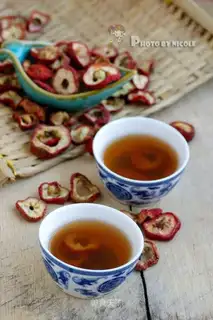 Shangshan tea