Boiling and steaming are relatively healthy cooking methods for food, as they are not greasy and result in a tender texture. However, there are several key points to pay attention to during the boiling process.
Boiling Dried Noodles:
Do not add the noodles after the water has come to a full boil. Instead, add them when small bubbles begin to rise to the surface. Stir a few times, cover the pot and bring to a boil. Add a small amount of cold water, then cover again and bring to a boil once more. This method ensures the noodles are soft and the broth is clear.
Boiling Dumplings:
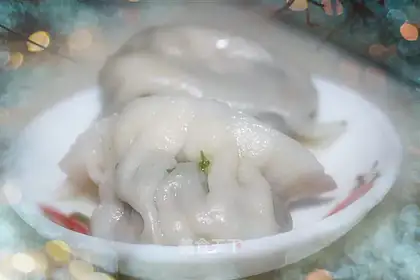
Fried Dumplings
As the saying goes, "Boil with the lid off for the skin, and with the lid on for the filling." Boiling with the lid off keeps the water temperature just below 100°C. The constant agitation from the boiling water causes the dumplings to spin, allowing the skin to cook evenly and preventing it from bursting. Once the skin is cooked, covering the pot raises the temperature, allowing the filling to cook through.
Boiling Rice Porridge:
The most frustrating part of boiling rice porridge is that it can easily boil over. If you add a few drops of sesame oil to the pot and then reduce the heat once it comes to a boil, it will not overflow no matter how long it cooks.
Boiling Milk:
If milk is boiled over a low flame, the vitamins inside can be destroyed by oxidation from the air. Boiling it over a high flame is much better. Furthermore, you should not simply let it boil and then turn off the heat. Instead, bring it to a boil, remove it from the heat, then return it to the heat to boil again. Repeat this process three or four times. This not only preserves the nutrients in the milk but also effectively kills Brucella bacteria.
Boiling Eggs:
First, wet the eggs in cold water before placing them in hot water to boil. This prevents the shells from cracking and makes them easier to peel.
Boiling Meat:
To make meat tender more quickly, you can add a few hawthorns or a few slices of radish to the pot. It is not advisable to boil over a high flame, nor to add salt too early, and you should definitely not add water midway through the cooking process. This will result in delicious, tender meat. When boiling beef, you can coat it with a layer of mustard the night before, then wash it and add a little vinegar the next day. Alternatively, wrap a small amount of tea leaves in a gauze cloth and boil them with the beef. Both methods will make the beef tender and cook faster.
 Pumping dumplings