The nutritional value of beans is extremely high. Our traditional diet emphasizes "The five grains are nourishing, but they become unbalanced without beans," which means that while grains are nutritious, their balance is lost without legumes. Modern nutrition also proves that consistently consuming bean products for just two weeks can reduce body fat, boost immunity, and lower the risk of illness. Therefore, many nutritionists advocate for replacing a certain amount of animal products like meat with bean products, as it is the best way to address the dual burden of malnutrition and overnutrition in urban populations.
Spiced Soybeans
1. Soybeans
Sweet in flavor and neutral in nature, they enter the Spleen and Large Intestine meridians. They have the effects of strengthening the spleen and widening the middle, moistening dryness and reducing water, clearing heat and detoxifying, and replenishing qi. They are indicated for malnutrition and diarrhea, abdominal bloating and emaciation, gestational toxemia, sores and carbuncles, and traumatic bleeding. As soybeans are the immature form of the soybean, they are rich in lecithin.
2. Peas
Peas are rich in amino acids and dietary fiber. The abundant phospholipids are a primary component of bones and teeth. The choline they contain can effectively prevent arteriosclerosis, making them an ideal health food for people with hyperlipidemia and coronary heart disease. Fresh peas contain an enzyme that breaks down nitrosamines, which has anti-cancer effects. They are also relatively high in vitamin A and carotene.
3. Green Beans
They are consumed for their tender pods or beans. The tender pods contain about 6% protein, 10% fiber, and 1-3% sugar. The dry beans contain about 22.5% protein and 59.6% starch. Fresh tender pods can be eaten as a vegetable, or they can be dehydrated or canned.
4. Cowpeas
Neutral in nature and sweet and salty in flavor, they enter the Spleen and Stomach meridians. They have the effects of regulating the middle and replenishing qi, strengthening the stomach and nourishing the kidneys, harmonizing the five organs, nourishing the complexion and body, producing essence, and stopping thirst. They are indicated for vomiting, dysentery, and frequent urination. They are particularly suitable for frequent consumption by people with diabetes, kidney deficiency, frequent urination, spermatorrhea, and some gynecological functional diseases.
Dry-fried Lentils
5. Lentils
The nutritional components of lentils are quite rich, including protein, fat, carbohydrates, calcium, phosphorus, iron, various vitamins, and dietary fiber. The B-vitamin content in lentil pods is particularly high. In addition, lentils also contain lectin, which has a significant effect on reducing tumors.
6. Sword Beans
Sword beans contain urease, hemagglutinin, canavanine, etc. In recent years, swordbean fusarin I and II have also been found in their tender pods, which have effects in treating hepatic coma and fighting cancer. They can be consumed by the general population and are especially suitable for people with kidney-deficiency back pain, qi-stagnation hiccups, rheumatic back pain, and pediatric hernia.
7. Soybeans
Rich in plant protein, they are beneficial for cardiovascular health. The amino acids that make up soybean protein number as many as 18, and they contain the 8 essential amino acids needed by the human body, similar to animal protein. Small soybeans are suitable for making soy milk, commonly known as soy milk beans, with less pulp and easy to grind; large soybeans are suitable for stewing, as they are resistant to prolonged cooking.
8. Red Beans
They have effects such as promoting urination to reduce swelling and stimulating lactation. The smaller ones are better for medicinal use, as they can relieve alcohol and detoxify, and have certain therapeutic effects on kidney and heart diseases. Red beans have a high carbohydrate content and are often used to make red bean paste. The fiber in red beans has good weight loss effects, and natural pigments can be extracted from the red bean skins.
Korean-style Honey Black Beans
9. Black Beans
They have the characteristics of being high in protein and low in calories. Regular consumption of black beans can soften blood vessels, moisturize the skin, and nourish the kidneys and spleen. The anthocyanins in the bean skin are natural antioxidants that can scavenge free radicals and delay aging, especially beneficial for hypertension, heart disease, etc.
10. Mung Beans
Mung beans have the effects of clearing heat and detoxifying, relieving summer heat and promoting urination, quenching thirst and relieving vexation, improving vision and lowering blood pressure, soothing the throat and moisturizing the skin, and reducing fat and protecting the liver. They are commonly used for the prevention and treatment of summer heat vexation and thirst, sores and carbuncles, gastroenteritis, pharyngitis, and nephritic edema.
 Spiced edamame
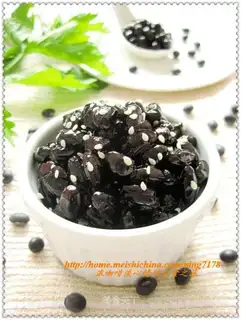 Korean honey black bean
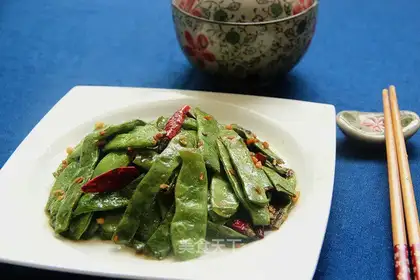 Dry lentils