Heart disease is one of the most common internal medicine conditions, and it can be categorized into congenital and acquired heart disease. For patients with heart disease, in addition to actively seeking treatment, there are also lifestyle considerations to be mindful of, with diet being one of them. Below, let's explore what foods are suitable for heart disease patients, as well as dietary restrictions and principles for heart health.
Black Beans in Vinegar
5 Foods Suitable for Heart Disease Patients
1. Black Beans: These small beans are rich in substances like folate, antioxidants, and magnesium that help lower blood pressure. At the same time, their abundant dietary fiber also helps control blood lipid and blood sugar levels.
2. Nuts: As the saying goes, nuts are the best snacks. Due to their high content of omega-3 fatty acids, monounsaturated fatty acids, and dietary fiber, a handful of walnuts daily can help lower serum cholesterol levels, inhibit inflammatory responses in the coronary arteries, and prevent the formation of coronary artery plaques.
3. Olive Oil: Olive oil is rich in oleic acid and antioxidants, which can protect the cardiovascular system, inhibit the formation of coronary artery plaques, and lower serum cholesterol levels. It can be used as a salad and cooking oil.
4. Figs: The lipase and hydrolytic enzymes found in figs can lower blood lipids and break them down, reducing fat deposition in blood vessels. This, in turn, helps lower blood pressure and prevent coronary heart disease and atherosclerosis. It is also beneficial for individuals with high blood pressure, high blood lipids, fatty liver, obesity, and heart disease.
5. Crown Daisy: Crown daisy contains four active medicinal ingredients that can strengthen the heart. The fresh, dark green pigment in crown daisy, chlorophyll, has the effect of removing cholesterol and lowering blood pressure, making it especially suitable for individuals with heart disease accompanied by high blood pressure.
Dietary Restrictions for Heart Disease Patients
Stir-fried Celery, Lily Bulbs, and Cashews
1. Avoid excessive water intake. Consuming large amounts of water, tea, soup, congee, soda, and other beverages at once can rapidly increase intestinal volume, causing the stomach and intestines to become distended, the diaphragm to rise, and the thoracic cavity volume to decrease, which affects the heartbeat.
2. Avoid overeating. Eating too much can easily cause abdominal bloating, which pushes the diaphragm up, compressing the heart and restricting its beating.
3. Avoid excessive smoking and drinking. Nicotine and ethanol are both stimulants to the nervous system, causing blood pressure to rise and the heart to beat faster.
4. Avoid consuming excessive spicy foods. Stimulating foods like chili peppers, black pepper, ginger, garlic, and scallions can excite the nervous system, speed up the heartbeat, and trigger a recurrence of heart disease.
In addition to the above restrictions, the diet of heart disease patients should follow the "Three Lows, Three Highs" principle:
Dietary Principles for Heart Disease Patients
Three Lows
1. Less Food: This means limiting the quantity and variety of food intake.
2. Less Fat: This means minimizing the consumption of high-fat and high-cholesterol foods, such as oils, fatty meats, and animal organs.
3. Less Salt: Excessive salt intake can lead to sodium and water retention, increasing blood volume and burdening the heart, which is not conducive to preventing heart disease. Therefore, the daily salt intake should not exceed 6 grams.
Three Highs
1. More Dietary Fiber: Dietary fiber is a substance that cannot be digested or absorbed by the human body, but it promotes the excretion of bile acids in the feces, reduces cholesterol production in the body, and is beneficial for the prevention and treatment of coronary heart disease.
2. More Vitamins: An abundance of vitamins is beneficial for heart health.
3. More Trace Elements: Although trace elements are needed in small amounts, they play a significant role. Heart disease patients are equally dependent on them.
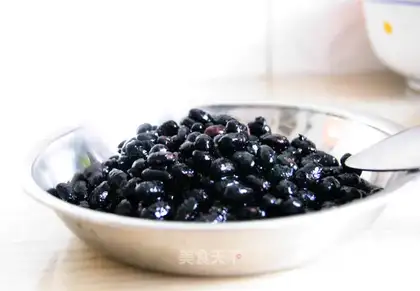 Black beans soaked in vinegar
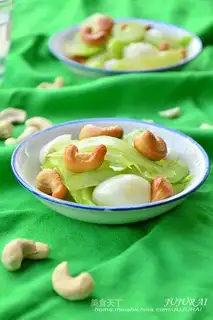 Celery lilies for cashew nuts