"Eating meat without garlic is like getting half the nutrition." This dietary proverb about eating meat is widely circulated in folklore. Is garlic really that magical? Is it necessary to eat garlic with meat?
Why eat meat with garlic?
One theory suggests that garlic can neutralize harmful components in meat, transform fat, and promote the absorption of its protein, so it's best to eat garlic with meat. This theory is an exaggeration and a misunderstanding of garlic's functions. Meat is rich in protein, fatty acids, and minerals, but garlic does not contain components that aid in the digestion and breakdown of these nutrients.
Garlic-infused braised meat
However, the saying "Eating meat without garlic is like getting half the nutrition" is not entirely baseless. Lean meat is an important source of B vitamins for us, and garlic can increase the absorption rate of vitamin B1 in meat. Vitamin B1 was the first B vitamin to be discovered. It is closely related to the function of the nervous system. A deficiency can lead to a depressed mood and slow thinking; a severe deficiency can cause peripheral neuritis, such as beriberi, and also increases the risk of sudden heart disease. Research has also shown that supplementing with vitamin B1 can improve postpartum depression. Nutritional surveys show that the intake of vitamin B1 among Chinese residents is decreasing. Notably, it stays in the body for a very short time and is easily excreted. Garlic contains alliin and alliinase. When garlic is crushed, these two substances come into contact to form what we know as allicin. Allicin can bind with vitamin B1 in meat. This not only increases the absorption rate of vitamin B1 but also changes its water-soluble nature to a fat-soluble one, thereby extending its time in the body. Therefore, more scientifically speaking, "eating meat without garlic" means "less absorption of vitamin B1."
In addition to promoting the absorption of vitamin B1, allicin itself has functions such as lowering blood lipids and preventing cancer. Moreover, eating some garlic with meat can also reduce the greasy feeling. Therefore, it is recommended that when you eat meat, you might as well chew a few cloves of garlic. It should be noted that garlic is best eaten raw because allicin quickly loses its effect when heated, and it also becomes ineffective if it's too salty. However, it is worth emphasizing that the spiciness of garlic can irritate the gastric mucosa, so patients with gastric ulcers and acute or chronic gastritis should avoid eating it.
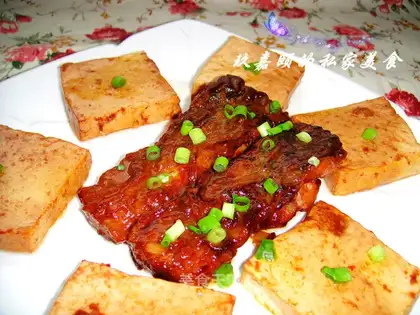 Cooking fish steak and tofu