As spring returns to the earth, what is the best food to eat? In the early spring season, we should rationally arrange our daily diet and pay attention to preventing diseases. Nowadays, many people have the habit of eating wild vegetables. In fact, as long as you eat the right wild vegetables, they can also help prevent diseases. Let me introduce them to you below.
What foods to eat in early spring
Glutinous Rice Pearl Meatballs
Sweet foods like red dates: The ancient Chinese medical master Sun Simiao said: "In spring, one should reduce sour foods and increase sweet ones to nourish the spleen qi." This means that in spring, it is advisable to eat less sour food and more sweet food. Traditional Chinese medicine believes that spring is a time when liver qi is abundant. Eating too many sour foods can cause an excess of liver qi, which can damage the spleen and stomach. Therefore, sour foods should be eaten in moderation. People engage in more outdoor activities in spring than in winter, leading to greater physical exertion and a need for more calories. However, the spleen and stomach are relatively weak at this time, and the digestive function of the gastrointestinal tract is poor, making it unsuitable to eat too much greasy meat. Therefore, calories can be appropriately supplied by sweet foods. Red dates are just such an excellent product for nourishing the spleen in spring.
Chives: Chives are green all year round, but they are best eaten in spring. They are not only a great seasoning but also a nutritious vegetable and medicine. The climate in spring is unpredictable, with alternating cold and warm, so it is necessary to nourish the yang qi. Chives are warm in nature and most suitable for the body's yang qi. Eating chives regularly in spring can strengthen the spleen and stomach qi.
Glutinous rice: Glutinous rice cakes replenish physical strength. Glutinous rice has the effect of tonifying the middle qi and supplementing nutrition. Eating glutinous rice in the cool early spring can warm and nourish the spleen and stomach, nourish the blood, and calm the mind. It is suitable for people with weak spleen qi and frequent diarrhea, that is, for people who are prone to abdominal pain, diarrhea, or a cold stomach when the weather is cold. However, glutinous rice is not easy to digest. If you are prone to indigestion, you should eat about half a palm's worth per day.
Spring buds: Eat spring buds in spring. Confucius said, "If it is not in season, do not eat it," meaning that you should not eat things that are not in season. The classic Chinese medicine work "Huangdi Neijing" also says to "eat the grains of the year," which means eating seasonal foods. In spring, all plants sprout fresh, green tender shoots, and there are many edible spring buds, such as toon sprouts, bean sprouts, garlic sprouts, pea shoots, lettuce, etc.
Honey: In the windy season of spring, honey is the most ideal health drink. Drinking a glass in the morning and evening can not only moisten the intestines and promote bowel movements but also prevent colds and remove toxins from the body. It can be taken by simply mixing it with warm water, no cooking is required.
Chinese yam: The Chinese yam tuber is thick, juicy, sweet, soft, and sticky. It is delicious whether eaten raw or cooked. It contains 16 of the 18 amino acids required by the human body, which shows the importance of Chinese yam. Chinese yam has the effects of nourishing and strengthening, aiding digestion, stopping sweating from deficiency, and stopping diarrhea. It is mainly used for treating diarrhea due to spleen deficiency, cough due to lung deficiency, diabetes, frequent and short urination, spermatorrhea, leucorrhea in women, and chronic enteritis due to indigestion.
At the same time, which wild vegetables are beneficial for us?
Which wild vegetables to eat in early spring to prevent disease
Braised Amaranth with Garlic
Amaranth: Amaranth is also known as "duckweed," "water celery," or "duckweed." Its stems are soft and smooth, and it has a strong flavor that is sweet and fragrant when eaten. It has the effect of moistening the intestines and clearing heat and toxins. Amaranth can maintain normal heart muscle activity and prevent muscle spasms. This is because it is rich in iron, which can synthesize hemoglobin in red blood cells and has the function of carrying oxygen. At the same time, it is rich in calcium and vitamin K, which can promote blood clotting and blood production.
Bracken fern: Bracken fern, also known as dragon head vegetable, is common in mountainous areas. It is rich in protein, fat, minerals, and various vitamins. The crude fiber in bracken fern can promote gastrointestinal peristalsis, reduce the absorption of fat by the intestines, and has the effect of promoting qi, relieving constipation, aiding digestion, and losing weight. Bracken fern in bracken fern has a certain inhibitory effect on bacteria and has good effects of clearing heat and detoxifying, sterilizing, and reducing inflammation. Common ways to eat it are cold-dressed bracken fern and bracken fern stir-fried with shredded pork. However, note that bracken fern is cold in nature, and people with a weak and cold spleen and stomach should not eat too much of it.
Platycodon: Platycodon, also known as bright leaf vegetable or monk's hat, is what Koreans call Doraji. It can produce small blue flowers at the tips of its branches. What we usually eat is the root of platycodon. It has the effects of expelling phlegm, relieving cough, relieving pain, reducing fever, calming, lowering blood sugar, anti-inflammatory, anti-ulcer, anti-tumor, and antibacterial.
Thistle: Thistle is the whole herb or root of the small Cirsium plant of the Asteraceae family. It grows in most parts of China and is highly adaptable. It can be seen by roadsides,沟岸, and in fields. People often call it small Cirsium or Cirsium vegetable. Thistle contains protein, fat, carbohydrates, dietary fiber, calcium, phosphorus, iron, carotene, vitamin B, vitamin B2, niacin, and vitamin C. In addition, it also contains alkaloids, choline, and saponins.
When eating wild vegetables in early spring, be reasonable and moderate.
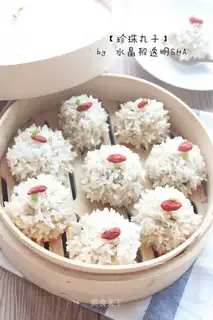 The rice pearls
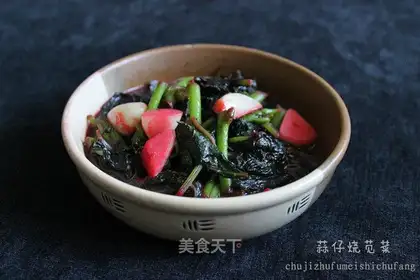 Garlic cooking