Health preservation is very popular, and many people choose dietary therapy for it. So, do you know which daily foods are best for health preservation? Many unassuming "little players" in life have tremendous "power." Let's take a look at what they are.
Three most health-preserving foods
Ginger
Contains gingerol, which can make blood flow smoother and provide more nutrients to the brain; Ginger is warm in nature, and its unique "gingerol" can stimulate the gastrointestinal mucosa, causing gastrointestinal congestion and enhanced digestive function. It can effectively treat bloating, abdominal pain, diarrhea, vomiting, and other symptoms caused by eating too many cold foods. After eating ginger, people will feel a warming sensation in the body. This is because it can dilate blood vessels, speed up blood circulation, and promote the opening of pores on the body. This not only carries away excess heat but also expels bacteria and cold from the body. When the body has consumed cold foods, been drenched in rain, or stayed in an air-conditioned room for a long time, eating ginger can promptly eliminate various discomforts caused by excessive cold in the body.
Braised Kelp with Soybeans
Soybeans
Are rich in lecithin, which is beneficial for enhancing memory; Soybeans are rich in soy lecithin, one of the important components of the brain. Eating more soybeans helps prevent senile dementia. In addition, the sterols in soy lecithin can increase nerve function and vitality. Moreover, Traditional Chinese Medicine believes that soybeans can "relieve the middle, promote qi, benefit the large intestine, and reduce edema and toxins," with the effects of tonifying the spleen and replenishing qi, clearing heat, and detoxifying, making it an excellent food for therapy. Soybeans are rich in vitamins A, B vitamins, vitamin D, vitamin E, and various amino acids that the human body cannot synthesize but needs. Regular consumption of soybeans can make the skin delicate, fair, and moisturized, effectively preventing the appearance of freckles and wrinkles. The high-protein content in soybeans can nourish the skin and hair, making the body full and firm, the hair black and shiny, and preserving a youthful appearance.
Chestnuts
Chestnuts are rich in nutrition and can produce high energy, so eating chestnuts when hungry can relieve your hunger. Chestnuts also contain a large amount of starch, as well as rich protein, fat, B vitamins, and other nutritional components, and are also high in calories. The content of vitamins B1 and B2 in chestnuts is abundant; the content of vitamin B2 is at least four times that of rice, and every 100 grams also contains 24 milligrams of vitamin C, which is incomparable to grains. Chestnuts also bring more surprises. Perhaps many people would not expect that the vitamin C content in fresh chestnuts is even more than that of tomatoes, which are widely known to be rich in vitamin C, and more than ten times that of apples! The minerals contained in chestnuts are also comprehensive, including potassium, magnesium, iron, zinc, manganese, etc. Although not as high as in hazelnuts or melon seeds, they are still much higher than in common fruits like apples and pears, especially the potassium content, which is four times higher than that of apples, which are claimed to be rich in potassium.
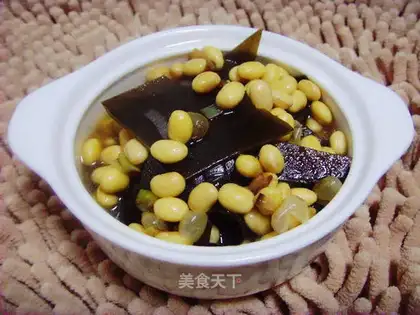 Stewed soybeans with seaweed