Nowadays, more and more people are joining the ranks of drinking tea for health preservation. A pot of health tea a day can easily prevent diseases and maintain health. Different types of tea are suitable for different groups of people. Most elderly people suffer from "three highs" (high blood pressure, high blood sugar, and high cholesterol) or coughs and asthma, so when choosing tea, they should also make their selection based on these conditions. So, what kind of tea is suitable for the elderly?
1. Lipid-Lowering Tea
Ingredients: 30g of fresh hawthorn, 6g of pagoda tree flower, 10g of Poria cocos, and an appropriate amount of rock sugar.
Instructions:
1. Wash the hawthorn, remove the pits, and mash it. Place it in a clay pot with Poria cocos, add an appropriate amount of water, and simmer over low heat for about 10 minutes. Strain to get the juice.
2. Use this juice to steep the pagoda tree flower, and finally add rock sugar to taste.
Effects: This tea is sweet and sour, appetizing, aids digestion, lowers cholesterol, dilates blood vessels, and prevents stroke.
2. Throat-Soothing Tea
Ingredients: 10-15g of dried persimmon cakes, 1 dried monk fruit, and 1 seed of Malva nut.
Instructions: Steam the dried persimmon cakes for 15 minutes, then slice them. Wash and mash the monk fruit. Place the monk fruit, Malva nut, and sliced persimmon cakes in a teacup, pour in boiling water, cover, and steep for 5 minutes.
Effects: Many elderly people suffer from coughs and asthma, so drinking throat-soothing tea is very necessary. This tea is refreshing and smooth, with significant effects of soothing the throat, relieving pain, stopping coughs, and reducing swelling.
3. Blood Pressure-Lowering Tea
Ingredients: 3g of pine moss (chopped), 10g of chrysanthemum, and 3g of green tea.
Instructions: Place the three ingredients in a teacup, pour in boiling water, cover, and steep for 10-15 minutes.
Effects: Many elderly people are troubled by high blood pressure. This tea is sweet, cool, and slightly bitter with a fresh aroma. Long-term consumption can help reduce heat and lower blood pressure, clear the liver, and brighten the eyes.
4. Skin-Moisturizing Tea
Ingredients: 10g of persimmon leaves, 10g of arnebia root, 15g of Job's tears, and an appropriate amount of rock sugar.
Instructions:
1. Place the persimmon leaves, arnebia root, and Job's tears in an enamel pot, add an appropriate amount of water, and simmer over low heat for 15-20 minutes. Strain to get the juice.
2. Add rock sugar to the tea juice to taste.
Effects: This tea is sweet, mild, and fresh with a slightly bitter taste. It has the effects of strengthening the spleen to remove dampness, clearing heat, and moisturizing the skin. Regular consumption can increase skin elasticity, reduce facial wrinkles, and delay aging.
5. Blood Sugar-Lowering Tea
Ingredients: 9g of Chinese yam, 9g of trichosanthes root, and 10g of goji berries.
Instructions:
1. Grind the Chinese yam, and place it with the trichosanthes root and goji berries in an enamel pot.
2. Add an appropriate amount of water, simmer over low heat for 10 minutes, strain to get the juice, and drink.
Effects: Diabetes is also a common disease among the elderly. In addition to controlling sugar intake, drinking blood sugar-lowering tea is also advisable. Besides lowering blood sugar, this tea can also nourish the liver and kidneys, replenish qi and promote fluid production, and promote the regeneration of liver cells.
What are the do's and don'ts for elderly people drinking tea?
1. Don't drink tea after meals
The digestive function of the elderly is not very good. If they drink tea immediately after a meal, the tannic acid in the tea will cause the protein in the food to coagulate into particles, leading to difficulty in digestion and absorption. Tea should be consumed half an hour after a meal, after the food has had time to digest.
2. Don't drink tea on an empty stomach
Some elderly people are used to drinking tea on an empty stomach in the morning without eating anything. At this time, there is no food in the stomach, and the tea will directly enter the digestive tract, causing adverse stimulation to the stomach and intestines. It's better to eat something first to line the stomach, and then brew a cup of tea to drink slowly.
3. Don't drink overnight tea
Some elderly people are quite frugal and drink overnight tea. However, tea left for a long time will breed bacteria, and the nutrients in the tea will also change. Drinking overnight tea not only provides no nutrition but may also cause gastrointestinal diseases and indigestion.
4. Don't drink tea before bedtime
Drinking too much tea before bed can lead to over-excitement and insomnia because tea contains caffeine, theophylline, and other substances that refresh the mind. This not only causes insomnia but also increases urination. This is especially important for the elderly suffering from neurasthenia, peptic ulcers, coronary heart disease, and high blood pressure.
5. The elderly should drink tea in moderation
The digestive function of the elderly has already declined. The large amount of tannic acid in tea can cause food protein to form indigestible precipitates and affect the absorption of vitamins and trace elements, easily leading to malnutrition and aggravating habitual constipation. In addition, the elderly are prone to high blood pressure, vascular sclerosis, and other diseases. Substances like caffeine in tea can easily raise blood pressure. Therefore, the elderly should not drink tea excessively; moderation is key.
6. The elderly should drink tea in the morning
In life, many elderly people are troubled by insomnia, often with short sleep duration and poor quality of sleep. Caffeine and other substances in tea have a stimulating effect. Even if the elderly drink tea in the afternoon, it can easily lead to insomnia at night, making sleep time shorter and quality worse, and leaving them drowsy and listless the next day. Therefore, the elderly should avoid drinking tea before bedtime or in the afternoon. The best time to drink tea is in the morning, preferably half an hour after breakfast.
7. The elderly should drink weak tea
The elderly should drink weak tea because drinking strong tea is detrimental to health. Drinking strong tea dilutes gastric juice, reduces its concentration, and prevents the normal digestion of food, leading to indigestion, bloating, abdominal pain, and other symptoms. For those with poor gastric function, it can even cause a duodenal ulcer. Regularly drinking very strong tea can also increase the burden on the cardiovascular and renal systems, possibly causing symptoms like heart palpitations, chest tightness, frequent urination, urgency, and dizziness. Studies have also found that elderly people who drink strong tea for a long time are prone to fractures, insomnia, constipation, and iron-deficiency anemia.
In conclusion: The elderly must not drink strong tea, and the amount of tea leaves should not exceed 3 grams.
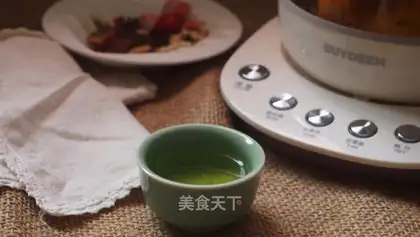 Purely natural fatty tea