As people age, their physical constitution can become weaker. If they experience symptoms like a sallow complexion and lack of energy, it is generally a sign of anemia. So, how can seniors supplement their blood to protect their health? Today, let's explore the foods that can help seniors with blood replenishment.
Braised Fish Head with Tofu
1. Eating Fish
Fish is rich in protein, and eating it can help seniors with the absorption of iron and the synthesis of hemoglobin.
2. Guava
Guavas are rich in vitamin C. When vitamin C combines with iron, it forms a complex that accelerates the dissolution of iron, which can better improve iron-deficiency anemia. Therefore, seniors with anemia should eat more guavas.
3. Hawthorn
Hawthorn is rich in vitamin C, which helps promote the absorption and utilization of iron. Vitamin C can convert ferric iron to ferrous iron. Therefore, to enhance iron absorption, it is important to consume foods rich in vitamin C.
4. Lotus Root
Lotus root has a high iron content and regular consumption can prevent iron-deficiency anemia. It is rich in vitamin C and dietary fiber, which is beneficial for weak conditions such as liver disease, constipation, and diabetes. Fresh lotus root stops bleeding, while cooked lotus root replenishes blood. Raw lotus root can clear heat and cool the blood, stop bleeding, and dissipate stasis. Cooked lotus root can strengthen the spleen and stomach, and nourish the blood. For patients with nosebleeds or bleeding gums, fresh raw lotus root juice can be taken as an emergency measure for its rapid hemostatic effect. Regular consumption of lotus root by seniors can stimulate the appetite, nourish the blood and marrow, calm the mind, and strengthen the brain, contributing to a longer life.
5. Mulberry
Mulberries contain a large amount of nutrients needed by the human body, including water, carbohydrates, various vitamins, carotene, and essential trace elements. They can effectively expand the body's blood volume and are nourishing without being greasy, making them suitable for dietary therapy for patients with hypertension and gynecological conditions. Mulberries are an excellent fruit and remedy for middle-aged and elderly people to strengthen the body, improve complexion, and combat aging. Regular consumption can brighten the eyes and alleviate symptoms of eye fatigue and dryness. Mulberries also have immune-boosting properties, can promote the growth of red blood cells, prevent a decrease in white blood cells, and have auxiliary effects in treating conditions like diabetes, anemia, hypertension, hyperlipidemia, coronary heart disease, and neurasthenia.
6. Walnut
According to Traditional Chinese Medicine, walnuts are warm in nature, sweet in taste, and non-toxic, with effects such as strengthening the stomach, replenishing blood, moistening the lungs, and nourishing the spirit. The "Shennong Ben Cao Jing" (The Divine Farmer's Materia Medica Classic) classifies walnuts as a top-grade herb that, taken long-term, can make the body light, replenish qi, and prolong life. In the "Shi Liao Ben Cao" (Materia Medica for Dietary Therapy) by Meng Shen of the Tang Dynasty, it is recorded that eating walnut kernels can stimulate the appetite, unblock and nourish the blood vessels, and make the bones and flesh delicate. It can be considered an excellent food for blood replenishment.
Walnut and Peanut Porridge
7. Longan Pulp
Experts note that longan pulp, also known as dried longan, is available fresh in the summer. Longans contain vitamins A and B, glucose, sucrose, and are rich in iron. Foods like longan soup and longan wine are excellent choices for blood replenishment for seniors with anemia.
8. Spinach
Spinach is known as the "model of nutrition" as it is rich in carotenoids, vitamin C, vitamin K, minerals (such as calcium and iron), coenzyme Q10, and other nutrients. The protein content in spinach is higher than in other vegetables, and it contains a significant amount of chlorophyll. It is particularly high in vitamin K among leafy vegetables (mostly concentrated in the roots) and can be used as an adjunctive treatment for nosebleeds and intestinal bleeding. The principle behind spinach's blood-replenishing effect is related to its rich content of carotenoids and ascorbic acid, both of which play important roles in health and blood replenishment.
Nutritious Blood-Replenishing Recipes
1. Pork Liver and Lean Pork Porridge
Ingredients: 50g fresh pork liver, 50g fresh lean pork, 50g rice, 15ml oil, a pinch of salt.
Method: Wash and mince the pork liver and lean pork. Mix with an appropriate amount of oil and salt. Wash the rice, put it in a pot, add an appropriate amount of water, and cook until the porridge is almost done. Then add the mixed pork liver and lean pork, and cook until the meat is done.
Usage: 1 serving daily or every other day, to be consumed at once or in two divided portions.
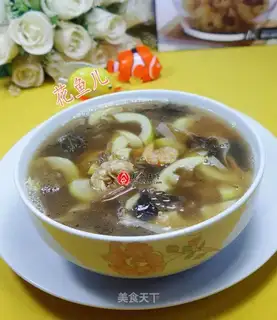
Spinach, Goji Berry, and Pork Liver Soup
2. Spinach and Pork Liver Soup
Ingredients: 100g fresh pork liver, 200g fresh spinach, 15ml oil, a pinch of salt.
Method: Wash and chop the spinach. Cut the pork liver into thin slices and mix with oil and salt, set aside. Add 500ml of water to a pot, bring to a boil, then add the spinach and pork liver. Cook until the pork liver is done.
Usage: Drink the soup and eat the spinach and pork liver. 1 serving daily, to be consumed at once. Can be consumed long-term.
Conclusion: Blood is the source of life. If seniors have a deficiency of qi and blood, it can more easily lead to a weakened immune system and constitution, making them more susceptible to disease, with serious consequences. Today, I have shared some information about blood replenishment for seniors, hoping it can be of help to everyone.
 Braised Fish Head Stewed with Tofu
 Let's have some soup
 Precious mangoes