The physical constitution of the elderly is different from that of middle-aged and young people, making them the most susceptible group to high blood lipids. To maintain good health, it is necessary to pay more attention to their diet, especially eating more vegetables. So what foods can help lower blood lipids for the elderly?
What foods can help lower blood lipids for the elderly?
1. Bitter Melon
Bitter melon is cool in nature and bitter in taste. It contains a significant amount of momordicin, which can stimulate insulin release and has a very obvious effect in lowering blood sugar. Bitter melon is also rich in vitamin B1, vitamin C, and various minerals, which can regulate blood lipids and enhance the body's immunity.
Stir-fried Bitter Melon
2. Celery
Celery is cool in nature and rich in vitamins and minerals. It can enhance gastrointestinal peristalsis and has a good laxative effect, helping to expel excess fat from the intestines. Foreign studies have confirmed that people who regularly consume celery have a significant decrease in cholesterol levels and can also markedly lower blood pressure.
3. Cucumber
Cucumbers are rich in fine fiber, which promotes the excretion of putrefactive substances in the intestines and can effectively lower cholesterol. Additionally, cucumbers contain malic acid, which can inhibit the conversion of carbohydrates into fat, making them particularly suitable for patients with cardiovascular diseases.
Sliced and Seasoned Cucumber
4. Soybeans
Soybeans and their products are rich in unsaturated fatty acids, vitamin E, and lecithin, all of which can lower blood cholesterol. Most importantly, soybeans and their products also contain soy saponins (the foamy substance that rises when soy milk is boiled), which can effectively lower blood lipids, aid in weight loss, and prevent arteriosclerosis.
5. Milk
Milk is rich in hydroxycitric acid, which can inhibit the activity of cholesterol synthesis enzymes in the human body, thereby blocking cholesterol synthesis and reducing its levels. Furthermore, milk contains a high amount of calcium, which can reduce the human body's absorption of cholesterol.
Papaya and Milk Soup
6. Ginger
Ginger contains an organic compound similar to salicylic acid. This substance, in its dilute solution, acts as a thinner and an anti-coagulant, and is very effective for lowering blood lipids and blood pressure, and preventing thrombosis. It also has nourishing properties. Experiments have shown that ginger can effectively lower cholesterol levels after a high-fat diet.
7. Chili Pepper
Chili peppers have the highest proportion of vitamin C among all foods. Vitamin C can improve the body's microcirculation, reduce the fragility of capillaries, and also lower cholesterol levels, making it a natural lipid-lowering food. Japanese scholars have discovered that capsaicin can promote fat metabolism, prevent fat accumulation in the body, and thus has the effects of lowering lipids and aiding in weight loss.
Three-color Oyster Cauliflower
8. Cauliflower
Cauliflower comes in white and green varieties, both with similar nutritional value. Cauliflower is low in calories, high in dietary fiber, and rich in vitamins and minerals, earning it the name "a gift from heaven." Cauliflower contains a significant amount of flavonoids, which are excellent blood vessel cleansers. They can effectively remove cholesterol deposits from blood vessels and prevent platelet aggregation, reducing the risk of heart disease.
9. Eggplant
The skin of eggplants is rich in vitamin P, which has a significant function in lowering blood lipids and cholesterol. Vitamin P can also increase the elasticity of capillaries, improve microcirculation, and has a notable effect on invigorating blood and unblocking meridians. Furthermore, eggplants contain a large amount of saponins, which can also lower blood cholesterol. Therefore, eggplant is an ideal food for patients with hypertension and arteriosclerosis.
Home-style Braised Eggplant
10. Garlic
Scientific research has found that fresh garlic can significantly lower the levels of harmful cholesterol in the blood. Garlic powder supplements can lower cholesterol by 8%, while fresh garlic or garlic extracts can lower it by 15%. The lipid-lowering effect of garlic is related to allicin, a substance it contains. This active ingredient in garlic has antibacterial and anti-tumor properties, can prevent atherosclerosis, and lower blood sugar and lipids. Experiments have shown that when a few drops of allicin are added to milk, the cholesterol in the milk is greatly reduced. Its lipid-lowering effect is related to the allyl disulfide and a small amount of sulfur-containing amino acids it contains. These substances belong to glycosides and, in addition to lowering blood lipids, can also prevent atherosclerosis, making them an ideal food for preventing cardiovascular diseases.
 Papaya stewed milk
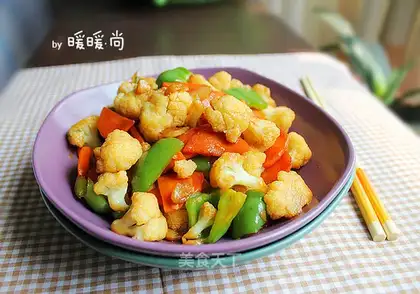 Three-colour pelicans
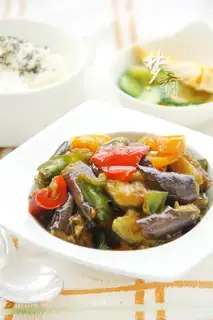 It's a regular eggplant
 I'm gonna make it
 The cucumber