Mung beans, also known as green soybeans, belong to the legume family. They are named for their green color and are small, plump grains. Mung beans thrive in heat and require high temperatures for cultivation, so they are generally grown in subtropical or tropical regions. In China, mung beans have been cultivated for about two thousand years.
Lychee and Tremella Soup with Mung Beans
Nutritional Components of Mung Beans
1. The protein and phospholipids contained in mung beans can excite the nervous system and increase appetite, and are essential for providing nutrition to many important organs of the body.
2. The polysaccharide components in mung beans can enhance the activity of serum lipoprotein lipase, hydrolyze triglycerides in lipoproteins to achieve the effect of lowering blood lipids, and thus can prevent and treat coronary heart disease and angina pectoris.
3. Mung beans contain a globulin and polysaccharide that can promote the decomposition of cholesterol in the liver of animals into bile acids, accelerate the secretion of bile salts in bile, and reduce the absorption of cholesterol by the small intestine.
Effects and Functions of Mung Beans
Clearing heat and detoxifying. Mung beans are rich in dietary fiber and potassium, which are beneficial for bowel movements and urination, and have an inhibitory effect on viruses, thus they have the effect of clearing heat and detoxifying.
Appetite stimulation. Mung beans are rich in protein and phospholipids, which can promote nerve excitement, improve body functions, increase body nutrition, and stimulate appetite.
Kidney protection. Mung beans are rich in trypsin inhibitors, which can reduce protein breakdown and protect the kidneys.
Prevention and treatment of coronary heart disease. The polysaccharide components in mung beans can enhance the activity of serum lipoprotein lipase, hydrolyze triglycerides in lipoproteins to achieve the effect of lowering blood lipids, and thus can prevent and treat coronary heart disease. Mung beans are rich in nutrients, and every 100 grams of mung beans contains the following nutrients:
Suitable People for Mung Beans
Mung beans can be consumed by the general population, especially by those with severe body edema, obese patients, people with a hot constitution who are prone to getting "heaty", those with high blood pressure or eye diseases, and people suffering from poisoning.
Contraindications for Mung Bean Soup
1. People with a cold constitution. For example, those with symptoms of cold limbs, abdominal bloating, or loose stools are not suitable for drinking mung bean soup too frequently. Eating mung beans can instead worsen the symptoms and even trigger other diseases.
2. The elderly, children, and people with a weak constitution. Because the protein content in mung beans is higher than that in chicken, macromolecular proteins need to be converted into small molecule peptides and amino acids under the action of enzymes to be absorbed by the human body. The digestive function of the gastrointestinal tract of these people is poor, and it is difficult to digest mung bean protein in a short time, which can easily lead to diarrhea due to indigestion.
3. People taking various medications.
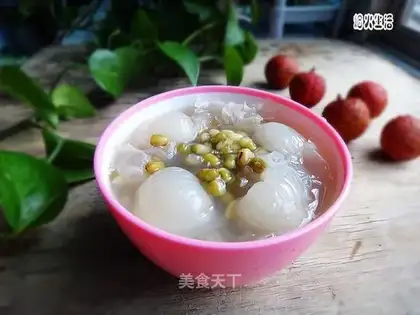 Silver-eared green bean soup