Tomatoes, onions, carrots, and broccoli—these four vegetables are the most frequently featured in WeChat articles these days. Indeed, these vegetables are common, inexpensive, and their nutritional and health benefits are well-documented. However, many people don't realize that the same vegetable, when prepared or eaten differently, can cause the most beneficial nutrients to be completely lost or rendered ineffective! So, what are the wasteful cooking methods, and which ones best preserve the nutrients?
Tomatoes and Eggs
Tomatoes
The reason tomatoes are so famous is mainly due to their rich content of "lycopene," a natural pigment. Research has found that populations with a diet rich in lycopene have a significantly lower risk of various cancers, including cervical, prostate, and breast cancer.
Wrong way to eat: Raw eating releases fewer nutrients. Many people love the sweet and sour taste of tomatoes and eat them raw, slice them with sugar, or add them to salads. However, these methods are not conducive to the absorption of lycopene.
Expert way to eat: Cut with the grain, stir-fry, or make soup. Lycopene is a fat-soluble pigment, and its absorption rate is very low when eaten raw. Moreover, lycopene is located in the chromoplasts of cells and requires the cell walls to be broken down to be released. Cooking not only promotes the release of lycopene but also makes it easier for the human body to absorb it. It's generally best to eat tomatoes cooked, such as stir-frying or in soups. When cutting tomatoes, improper handling can cause a large amount of juice to flow out, leading to a loss of water and nutrients. To cut tomatoes effectively, carefully observe the surface patterns, place the stem end upright, and cut carefully along the grain. This will prevent the seeds from separating from the flesh and stop the juice from leaking.
Carrots
Carrots are a crisp, tasty, and nutritious common vegetable. The nutritional value of carrots is outstanding among many vegetables, earning them the reputation of "little ginseng." In addition to providing large amounts of beta-carotene, which is converted into vitamin A in the body, carrots are also rich in alpha-carotene. Studies have shown that people with high concentrations of alpha-carotene in their blood have a significantly lower risk of total mortality from various causes.
Carrot and Egg Pancakes
Wrong way to eat: Stir-frying with a lot of oil. Many people hear that carotenes and vitamin A are fat-soluble and therefore stir-fry carrots with a lot of oil, not realizing that this反而 leads to a significant loss of carotene. This is because carotene is not only afraid of high temperatures from frying but also of contact with oxygen in hot oil conditions. It can also lead to consuming excessive fat.
Expert way to eat: Steam, boil, stew, blanch, or mix. In fact, as long as the chyme entering the small intestine contains fat, it can promote the absorption of carotene. For example, after eating steamed carrots, you can drink a glass of milk, eat an egg, or have it with other stir-fried dishes that use oil. You can also stew carrots with meat or use them for dumpling filling without needing to add extra oil.
Broccoli
Epidemiological studies have shown that the glucosinolates in broccoli help prevent various cancers, earning broccoli the reputation of an "anti-cancer star." Moreover, broccoli is also a good source of carotenes and polyphenols. Many vegetarians and people on weight loss or fitness regimens also love broccoli because this vegetable is very filling and nutritionally balanced.
Garlic Broccoli
Wrong way to eat: Throwing away the stems and stalks. The florets of broccoli are delicious, but the stem parts without florets are not as tasty and are difficult to season, so many people throw them away.
Expert way to eat: It's best to steam it, and don't discard the stems. When cooking broccoli, steaming is the preferred method. Steam for about 5 minutes after the water boils. Research shows that after steaming, the glucosinolates, polyphenols, and carotenes in broccoli are well-preserved. The second-best option is to blanch and then mix in a sauce, but do not boil for too long. Remove it immediately after it's cooked, otherwise, too many nutrients will be lost. Furthermore, the stems of broccoli are also very nutritious, so it is recommended not to discard them.
Onions
Onions are also one of the healthy vegetables we recommend now. Organic sulfur compounds are the main pungent substances in onions. They have antibacterial and anti-atherosclerotic effects, and can also eliminate free radicals in the body, providing antioxidant benefits.
Onion and Walnut Wood Ear Salad
Wrong way to eat: Cooking for too long. Some people don't like the pungent, eye-watering smell of onions, and others dislike the aftertaste left in the mouth after eating them, so they cook onions until they are very soft. However, cutting and leaving them exposed to the air for too long, or cooking methods involving high temperatures, will reduce the content of organic sulfur compounds. This means the most beneficial nutrients are lost.
Expert way to eat: Eat raw or stir-fry quickly, and add a small amount of flour for better texture.
In our current diet, the most important thing is to use certain combinations and cooking methods to allow more of the nutrients in food to be absorbed and utilized by us, especially for some nutrients that we are easily deficient in.
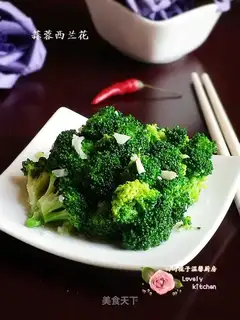 Garlic broccoli
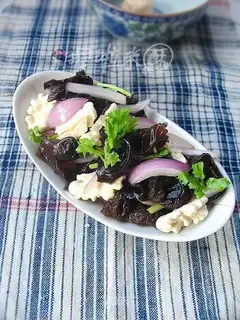 Onion walnut chorus
 Carrot egg pancakes
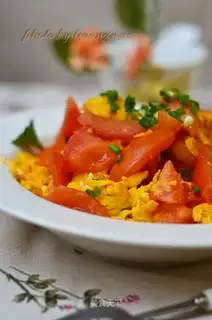 Tomato eggs