Vegetables are nutritious, but there are taboos to be aware of when eating them. Here are some precautions to take when consuming vegetables:
First Taboo: Soak daylilies for two hours before cooking and eating them.
Fresh daylilies contain "colchicine toxin," which can cause allergic symptoms such as abdominal pain and diarrhea when eaten raw. Therefore, they must be soaked in water for two hours first, then cooked thoroughly over high heat before consumption. Simply stir-frying them lightly can easily trigger an allergic reaction.
Dried daylilies with a bright golden color may have been processed with sulfur, which can cause food poisoning. Therefore, it is best to soak dried daylilies in warm water for 30 minutes, then blanch them in boiling water for one minute, drain them, and then cook them for safer consumption.
Secret Fried Eggplant
Second Taboo: Women during their menstrual period and those with a weak spleen and stomach should avoid eating eggplant.
Eggplant is cool and slippery, so it is not advisable for those with a weak spleen and stomach to eat too much. Women should also try to avoid eating it around their menstrual period. Overripe eggplant is toxic and should not be eaten. Eggplant contains components that can trigger allergies, and eating too much can make one feel restless and uneasy. Those with allergies should avoid it.
Third Taboo: Those with phlegm or allergies should avoid taro.
The mucus from taro can irritate the throat lining, potentially worsening a cough and increasing phlegm production. Therefore, those with a cough and phlegm should avoid eating it.
Fourth Taboo: Do not eat chives, which are warm in nature, after drinking alcohol.
Chives are considered warm in nature. Eating too many can lead to dizziness and a feeling of faintness, and they should especially not be consumed after drinking alcohol. People suffering from wind-heat type colds, inflammation, measles, tuberculosis, constipation, hemorrhoids, etc., should avoid eating them.
The fiber in chives is particularly coarse. Those with digestive diseases or indigestion should not eat too much at once, as it can cause bloating and discomfort.
Fifth Taboo: Avoid eating spinach with high-calcium foods.
Spinach contains a relatively high amount of oxalic acid, which can easily form stones when eaten with high-calcium foods. Therefore, spinach should be avoided from coming into contact with calcium-rich foods like tofu, black sesame seeds, yogurt, etc. Do not consume them in the same meal or in close succession. This is especially important for those who already have stones, who should best avoid eating it.
Pine Nut Spinach Cups
Sixth Taboo: Patients with chronic gastritis, etc., should avoid eating white radish.
White radish is inherently cool and should not be eaten in large amounts by those with a weak spleen and stomach, stomach or duodenal ulcers, chronic gastritis, or simple goiter. White radish can affect the efficacy of traditional Chinese medicine. When taking herbs containing ginseng, fo-ti, or rehmannia root, one should avoid eating white radish.
Seventh Taboo: Women with gynecological tumors should avoid eating Chinese yam.
Chinese yam has an astringent effect and should not be eaten by those with constipation or difficulty with bowel movements, as it can worsen the condition.
Eating too much Chinese yam can promote the secretion of hormones in the human body, which is beneficial for most people. However, those with gynecological tumors (including uterus, ovaries, and breasts) and men with prostate tumors should not consume it, as it can promote tumor growth.
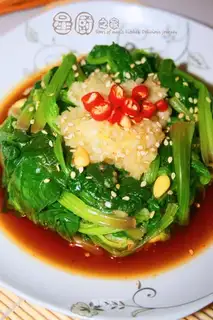 Pine nut and spinach cup
 Iced Sydney