With the popularization of nutritional knowledge and the enhancement of health awareness, more and more people are beginning to understand the nutritional value of edible fungi, and enoki mushrooms have become a common guest on people's dining tables. Whether dining out or cooking at home, whether in cold salads, stir-fries, or hot pot, you will always find its tender white presence.
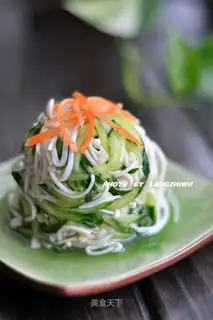
Cold Enoki Mushroom Salad
However, some people have discovered that the enoki mushrooms they buy from the supermarket and put in the fridge actually continue to grow. This has led them to suspect that the mushrooms have been "medicated" or treated with hormones. Is this really the case?
The growing environment of enoki mushrooms is different from that of common green leafy vegetables. Enoki mushrooms are a type of fungus, and a cold-tolerant one at that, particularly preferring dark, cool, and humid environments. Their normal growth temperature is 6-8°C, and the refrigerator compartment can easily become a "greenhouse" for their growth. Of course, for enoki mushrooms to continue growing, a nutritional substrate is essential.
However, most enoki mushrooms we buy from the supermarket are harvested and packaged with their roots, and their bases often carry some "nutritional substrate." With a suitable environment and a nutrient supply, it becomes logical for enoki mushrooms to continue growing in the refrigerator.
Moreover, enoki mushrooms are different from common vegetables; they cannot withstand the effects of hormones. The growth of edible fungi is very delicate. Besides strict environmental requirements such as temperature, humidity, light, hygiene, and sealing, the hormones we suspect are like the "executioner's blade" for these small mushroom groups. If they are even slightly contaminated, the mushroom bodies will immediately turn yellow, develop spots, or even rot. Therefore, the concern about "hormones being used in enoki mushrooms" is unfounded.
Vegetables that continue to grow in the refrigerator
In addition to enoki mushrooms, other vegetables can also exhibit regrowth phenomena. The most common examples include potatoes sprouting, bean sprouts growing, and cucumbers growing. After being harvested and separated from the parent plant, vegetables still retain a certain degree of growth activity, and they store a certain amount of nutrients. If they encounter suitable environmental conditions, they will continue to grow to some extent. Of course, since this regrowth relies on the nutrients within the vegetable, its nutritional value is naturally lower than that of fresh vegetables.
Enoki mushrooms contain many essential amino acids for the human body, with lysine and arginine being particularly abundant, which have a beneficial effect on children's height and intellectual development. The zinc content in enoki mushrooms is also relatively high, which also promotes children's growth and development. Additionally, it contains a substance called flammulin, which enhances the body's ability to resist cancer cells. Furthermore, studies have shown that enoki mushrooms can inhibit the rise of blood lipids, lower cholesterol, prevent cardiovascular and cerebrovascular diseases, and also have anti-fatigue, antibacterial, and anti-inflammatory effects.
So, how can we buy fresh enoki mushrooms? The enoki mushrooms commonly found on the market actually come in two varieties—white and yellow. High-quality white enoki mushrooms should have a pure white or milky white color, while yellow enoki mushrooms should be light yellow to brownish, with the color of the stem being lighter at the top and darker at the bottom. However, regardless of the variety, a fresh and good mushroom has a pure color, a round, tight, and unopened cap, and no white aerial mycelium at the base.
Some unscrupulous merchants, to make enoki mushrooms look more attractive, may bleach them with sulfur when selling. If the enoki mushrooms have an unnaturally bright and uniform color and a pungent smell, they have likely been "cosmetically altered." The same applies to other fruits and vegetables. Naturally grown fruits and vegetables have a very harmonious and natural color, aroma, and taste. If they have been artificially stimulated with hormones or specially treated, they often have one particularly prominent characteristic, making their growth seem very unnatural. In such cases, everyone should be vigilant and try to avoid them.
 Frozen needle mushrooms