90% of the human body's essential Vitamin C and 60% of Vitamin A come from vegetables. Additionally, vegetables contain a wide variety of phytochemicals, which are widely recognized as beneficial components for health, such as carotenoids, diallyl compounds, and methyl sulfide compounds. However, there are important considerations when eating vegetables; eating them incorrectly can be fatal! Below are nine surprising misconceptions about eating vegetables.
Storing Vegetables for Too Long
When fresh leafy greens are bought and stored at home without being eaten, they slowly lose some vitamins. For example, when spinach is left at 20°C for one day, it loses up to 84% of its Vitamin C. To store vegetables, they should be kept in a place that is protected from light, well-ventilated, and dry.
Discarding the Part Richest in Vitamins
For example, with bean sprouts, some people only eat the sprouts and discard the cotyledons. In fact, the cotyledons contain 2-3 times more Vitamin C than the sprouts. Furthermore, when making vegetable dumpling filling, squeezing out the vegetable juice causes a loss of over 70% of the vitamins. The correct method is to toss the cut vegetables in oil first, then add salt and seasonings. This way, the oil coats the vegetables, and the filling will not release its juices.
Stir-frying with a Low Flame
Vitamin C and B1 are both sensitive to heat and boiling. According to measurements, vegetables stir-fried over a high flame lose only 17% of their Vitamin C, whereas if they are then simmered, the Vitamin C loss can reach 59%. Therefore, it's best to stir-fry with a high flame. This not only results in better color and flavor but also minimizes nutrient loss. Adding a little vinegar during cooking also helps preserve vitamins. Some vegetables, such as cucumbers and tomatoes, are best eaten raw in salads.
Not Eating Cooked Vegetables Immediately
Some people, to save time, like to cook dishes in advance and keep them warm in the pot until everyone is ready to eat or reheat them for the next meal. In fact, during the process of keeping cooked food warm, Vitamin B1 can be lost by up to 25%. For cooked cabbage, keeping it warm for 15 minutes can lead to a 20% loss of Vitamin C; keeping it warm for 30 minutes can cause an additional 10% loss, and if kept warm for an hour, another 20% is lost. If the Vitamin C in the cabbage is lost by 20% during cooking and another 25% dissolves into the cooking liquid, and then it's kept warm on the stove for another 15 minutes (losing another 20%), the total loss amounts to 65%. Very little Vitamin C would then remain in the cabbage.
Eating Vegetables but Not the Broth
Many people enjoy eating vegetables but not drinking the vegetable broth. In fact, when cooking, most of the vitamins dissolve into the broth. For example, after stir-frying bok choy, 70% of its Vitamin C will be in the cooking liquid. When fresh peas are boiled in water for 3 minutes, 50% of their Vitamin C dissolves into the soup.
Cutting Vegetables Before Washing
When washing and cutting vegetables, if you cut them first and then rinse them, a large amount of vitamins will be lost into the water.
Preferring Stir-fried Vegetables
Some people, in an effort to lose weight, avoid fats and prefer vegetables that are stir-fried with meat. Recent research has found that vegetables with high water content have air-filled cells between them, whereas meat cells are filled with water. Therefore, vegetables more easily absorb oil. A dish of stir-fried vegetables can often contain more oil than a dish of fried fish or fried pork ribs.
Eating a Vegetarian Diet Without Meat
Nowadays, more and more people are adopting a vegetarian diet, which is undoubtedly beneficial for preventing arteriosclerosis. However, a diet that is strictly vegetarian without proper balance is not necessarily healthy. Modern science has identified at least four major drawbacks to a poorly planned vegetarian diet: first, a lack of essential cholesterol, and a moderate amount of cholesterol has anti-cancer properties; second, insufficient protein intake, which is a risk factor for digestive tract tumors; third, insufficient intake of riboflavin, leading to vitamin deficiencies; and fourth, a severe lack of zinc, which is a very important trace element for ensuring a healthy immune system. Zinc is generally deficient in most vegetables.
Liking to Eat Raw Vegetables Without Washing Them
The contamination of vegetables is often from pesticides or mold. Pesticide poisoning from eating vegetables occurs from time to time. Vegetables are also a host for mold, and most mold does not dissolve in water; some can even survive in boiling water and can penetrate several millimeters into the surface of the vegetable. Therefore, vegetables must be washed and soaked thoroughly with clean water, peeled, and old, yellowed, or rotten leaves should be discarded without hesitation. This is especially true for eating vegetables raw; otherwise, it will harm your health.
 Stewed Chinese cabbage and lion's head
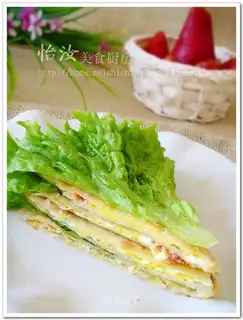 Tomato egg breakfast cake
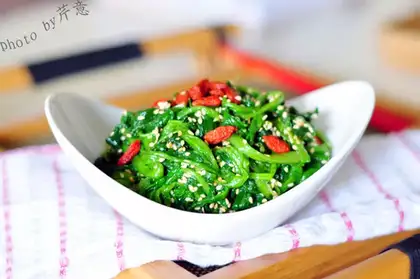 Sesame spinach