Nowadays, people are paying more and more attention to health preservation, especially women, who are more concerned about their own health, hoping to be healthy and beautiful. Here are ten recommended health foods for women.
These health foods should be eaten regularly by women.
Skin Care: Broccoli
Not only is it nutritious and delicious, but it is also a famous "cancer fighter," especially effective in preventing and treating stomach cancer, breast cancer, and skin cancer. It is rich in vitamin A, vitamin C, and carotene, which can enhance the skin's resistance to damage and help maintain skin elasticity.
Hair Care: Kelp
When it comes to foods for hair care, you might know many, such as black sesame seeds that make hair black, ginger that promotes hair growth, or walnuts that make hair shiny. But do you know what the all-around champion of food-based hair care is? It's kelp. Nutrition experts believe that regular consumption of kelp not only supplements the body's iodine but also has special effects on hair growth, moisturization, and shine.
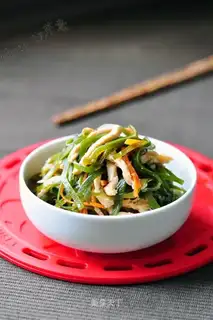
Stir-fried Shredded Kelp
Leg Care: Banana
The banana, rich in potassium, ranks first among "leg-beautifying foods." The abundant potassium it contains helps you stretch your leg muscles and prevent cramps. The second "leg-beautifying food" is celery, which contains a large amount of colloidal calcium carbonate that is easily absorbed by the body. It can supplement the calcium needed by the legs and prevent swelling in the lower body.
Nail Care: Egg
Healthy nails are pink because they have an adequate blood supply. If nails change abnormally, it is often caused by nutritional deficiencies or other underlying symptoms. A high-protein diet is essential for maintaining healthy nails, and eggs are a good source of protein.
Lung Care: Tomato
The latest research in the UK has found that eating tomatoes more than three times a week can prevent respiratory diseases and protect the lungs from bacterial infection. However, the lycopene content in tomatoes is inversely proportional to their soluble sugar content. That is to say, the less sweet a tomato is, the higher its lycopene content.
Heart Care: Deep-sea Fish
German experts once published a set of experimental results: eating 50 grams of fish daily can reduce the incidence of heart disease by 40%, with deep-sea fish being particularly good. The unsaturated fatty acids in fish, commonly known as "good fats," act as natural anticoagulants, helping to lower blood pressure, inhibit myocardial excitability, and slow the heart rate, thereby protecting the heart.
Braised Yellow Croaker
Stomach Care: Cabbage
Cabbage is one of the best vegetables recommended by the World Health Organization and is hailed as a natural "stomach vegetable." For people with stomach and duodenal ulcers, doctors often recommend eating more cabbage. You can also mix cabbage with honey daily, as this method promotes ulcer healing.
Kidney Care: Black Bean
Since ancient times, black beans have been known as the "grain of the kidney." Looking at a black bean, you will find its shape resembles the human kidney. Not only are they sweet and neutral in nature, but in traditional Chinese medicine, they are also believed to have the effects of nourishing the kidney and strengthening the body, invigorating blood and promoting urination, detoxifying, and moisturizing the skin. They are especially suitable for those with kidney deficiency.
 Braised small yellow croaker
 The seaweed