Nowadays, the "three highs" (high blood pressure, high blood lipids, and high blood sugar) are becoming more common among younger people. Among these, the root cause of high blood lipids is primarily diet. Therefore, lowering high blood lipids still requires a focus on "food." According to authoritative recommendations: among the colorful and flavorful fruits and vegetables, mung bean sprouts, onions, and apples, known as the "three treasures for lowering lipids," are top recommendations.
Mung Bean Sprouts: Expel Bad Cholesterol
Mung beans are an excellent food for lowering cholesterol. During the sprouting process, the vitamin C content can increase to six or seven times that of the original mung bean. A large amount of vitamin C can promote the excretion of cholesterol, preventing it from depositing on the arterial walls. The dietary fiber in mung bean sprouts helps to clear waste from the body and can bind with cholesterol in food, converting it into bile acids to be expelled from the body, thereby lowering cholesterol levels. Mung bean sprouts are sweet and cool in nature, rich in moisture, and can also relieve greasiness and promote the production of saliva, making them a rare and valuable dish for weight loss and lipid regulation.
Best way to eat: Best when cold-dressed; stir-frying is also an option.
Cold-dressed Mung Bean Sprouts
Onion: Raise Good Cholesterol
Onions are one of the few vegetables that contain prostaglandin A, a potent vasodilator that can soften blood vessels, reduce blood viscosity, increase coronary blood flow, and promote the excretion of substances that raise blood pressure, such as sodium. Therefore, it can regulate blood lipids, lower blood pressure, and prevent blood clots. More remarkably, onions contain onion oil, which not only lowers cholesterol and improves symptoms of atherosclerosis but also increases the level of "good cholesterol"—high-density lipoprotein (HDL).
Best way to eat: Best when eaten raw in a salad; it can also be cooked with soy products.
Onion and Tofu Salad
Apple: Absorb Excess Cholesterol
The lipid-lowering effect of apples comes from their rich pectin, a type of water-soluble dietary fiber that can bind with bile acids, absorbing excess cholesterol and triglycerides like a sponge and helping to expel them from the body. Pectin can also combine with other cholesterol-lowering substances, such as vitamin C and fructose, thereby enhancing the lipid-lowering effect. Additionally, acetic acid from the breakdown of apples also aids in the metabolic breakdown of cholesterol and triglycerides.
Best way to eat: Raw, or it can be added to cold salads.
Potato and Apple Salad
 Stir green bean sprouts
 Onion gravy
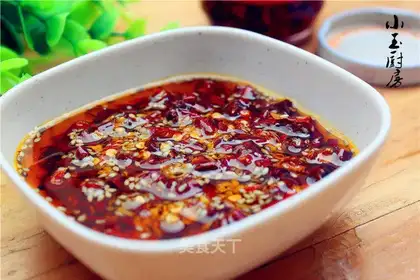 Spicy pepper oil