Rice, noodles, and mantou are all staple foods that are never far from people's dinner tables. However, as living standards improve, these most "humble" foods are becoming increasingly distant from our diets. Because we can eat fresh vegetables, fruits, and a rich variety of poultry, meat, and fish, more and more people feel that staple foods are just for filling the stomach and are optional. However, this habit carries significant health risks. Skipping rice and only eating vegetables can lead to cancer and other diseases.
Colorectal Cancer, Colon Cancer
Not eating rice while consuming large amounts of high-protein foods like fish and meat on an empty stomach not only wastes protein but also increases the production of waste in the body.
Because after protein is broken down, it produces a large amount of nitrogenous waste. This not only increases the burden on the liver and kidneys but also promotes the proliferation of spoilage bacteria in the large intestine, disrupts the balance of the gut microbiome, and increases the risk of colorectal cancer. Excessive fat intake can also lead to a high incidence of colon cancer.
Brain Degeneration
Eating too few staple foods leads to a carbohydrate intake that is far from meeting the body's needs, causing a deficiency of important substances in the body. For example, a reduction in glucose can impair brain function.
According to research, the brain needs about 130 grams of starchy staple foods daily for energy. If this is insufficient, it can lead to listlessness, lack of concentration, slow thinking, anxiety, and other symptoms, seriously affecting cognitive function.
Shredded Eggplant with Sauce Noodles
Cardiovascular Disease
Because many vegetables are stir-fried with excessive cooking oil, some dishes are almost swimming in oil, which can easily lead to increased fat intake.
At the same time, increasing the intake of poultry, livestock, and fish rich in protein and fat can also lead to excessive fat accumulation in the body. This not only causes obesity but can also lead to a series of problems like hyperlipidemia, high blood pressure, and coronary heart disease.
Diabetes
Some diabetic patients or people worried about developing diabetes intentionally eat less rice and noodles, believing this means they are consuming less sugar.
If a patient's staple food intake is too low, they can easily experience reactive hyperglycemia due to being in a semi-starved state, which can lower the body's ability to resist hypoglycemia. Over the long term, patients may lose weight, experience fat neogenesis, and develop various complications like hyperlipidemia, making treatment more difficult.
Fatty Liver
Drinking alcohol and eating vegetables without eating rice is particularly harmful to the liver and gallbladder. Even if one tries to eat less or no animal fats containing saturated fatty acids and switches to vegetable oils containing unsaturated fatty acids—which is beneficial for preventing atherosclerosis—it is difficult to control the intake of oil and dishes at banquets.
Over time, this can increase lipid peroxidation in the body, damage liver cells, and may also induce gallstones. Alcohol consumption can exacerbate this damage, causing or worsening fatty liver.
Tips: How to Eat Staple Foods Healthily
Make your home staple foods as varied as possible
The principle for choosing staple foods provided by nutrition experts is that coarse grains are better than fine grains, and beans and tubers are better than ordinary coarse grains. The nutritional value of coarse grains, beans, or tubers is much higher than that of refined white rice and flour. For example, whole wheat flour has three times the B vitamins of regular wheat flour.
In terms of protein, the protein content of beans like red beans and mung beans is three times that of rice. However, the human body needs more than 40 essential nutrients, and each person's requirement for different nutrients varies. More practically, everyone has different tastes. So, while cooks try to adjust the family's preference for fine and coarse grains and main and side dishes, they can also strive for a balanced diet.
Yangzhou Fried Rice
Eat a little something before a big meal with drinks
Eating a small bowl of coarse grains, such as congee or noodles, a piece of corn, yam, or taro, or even a few cold dishes containing carbohydrates like shredded potatoes or rice cakes before a big meal can prevent alcohol and greasy food from harming the stomach and body, thus protecting your health. It can also make you feel full sooner, effectively reducing food intake and controlling weight.
Replace refined snacks with coarse grains
Staple foods at banquets today are often delicate, crispy pastries, paratha, fried rice, or even fried foods. They are often high in oil and extremely low in fiber, failing to balance nutrients or protect health. Replacing them with simple options like plain congee, sweet potato porridge, or coarse grain buns are much better choices.
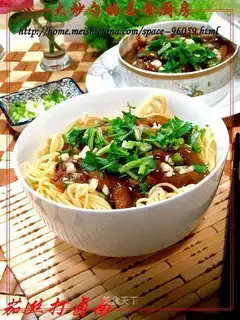 Garlic noodles with diced pork
 It's cold