Women are naturally prone to anemia and most need to nourish their qi and blood. How to replenish blood? The best way is actually through daily diet to nourish qi and blood. What's good for replenishing blood? Here is a list of 19 types of food for you to achieve a healthy complexion...
1. Eel
Eel is warm in nature and has functions such as replenishing qi and nourishing blood, warming yang and strengthening the spleen, nourishing the liver and kidneys, expelling wind and unblocking collaterals.
2. Red Ginseng
Red ginseng is a processed form of ginseng. It has the effects of greatly replenishing original qi, restoring the pulse and securing collapse, strengthening the spleen and supplementing the lungs, benefiting qi and activating blood, promoting fluid production and calming the mind.
3. Silkie Chicken
Silkie chicken is often consumed by postpartum women to promote wound healing. If used to make soup, it is the best choice for replenishing blood and qi.
Sea Coconut and Silkie Chicken Soup
4. Black Sesame
Black sesame not only tastes good but also has the effect of replenishing blood. For women with white hair, eating black sesame can also effectively nourish their hair and has the good effect of nourishing the kidneys and liver.
5. Cherry
Cherries contain a large amount of iron and have the effect of generating blood. They also contain a large amount of nutrients such as phosphorus, magnesium, potassium, and vitamin A, making them very suitable for pregnant and lactating women.
6. Mulberry
The mulberry, known as the "blood-nourishing fruit," is currently the fruit with the highest natural iron content. Eating mulberries not only helps replenish blood but also has a beautifying effect.
7. Grape
Grapes, a recommended blood-nourishing food in traditional Chinese medicine for generations, are rich in calcium, phosphorus, and iron, as well as various vitamins and amino acids. They are an excellent tonic for the elderly, women, the weak and anemic, and those over-fatigued.
8. Daylily
Daylilies have the highest iron content, 20 times higher than the well-known spinach. They are rich in iron and also contain abundant nutrients such as vitamins A, B1, C, protein, fat, and colchicine.
Daylily and Wood Ear Mushroom Bone Soup
9. Shitake Mushroom
Shitake mushroom is one of the "Four Great Mountain Treasures," known as the "Queen of Plants" and the "Meat among Vegetables." It has a regulatory effect on those with qi and blood deficiency and frequent fatigue. "Compendium of Materia Medica" states: "Mushrooms can benefit the stomach and intestines, resolve phlegm, and regulate qi."
10. Sugarcane
Sugarcane, quite popular among people, also contains a large amount of trace elements including iron, zinc, calcium, phosphorus, and manganese. Among these, iron content is the highest, reaching up to nine milligrams per kilogram, ranking first among fruits, hence it is called the "blood-nourishing fruit."
11. Animal Liver
Animal liver is rich in iron and is one of the most ideal foods for replenishing blood. It can be braised, stir-fried, or made into soup. It is recommended to pair it with green leafy vegetables. Young women can eat it 2-3 times a week, 10-30 grams each time. Women over 50 should eat less.
12. Carrot
Carrot, commonly called ginseng in Japan, is called "人参" (ninjin) by the Japanese. Carrots are rich in beta-carotene, a nutrient that is extremely beneficial for replenishing blood. You can make more carrot soup in your daily life to turn your post-meal soup into a blood-nourishing soup that you can drink anytime.
Sweet and Sour Spare Ribs with Longan Flesh
13. Longan Flesh
Longan flesh, commonly known as a blood-nourishing food, is the dried pulp of the longan fruit. Fresh longans are available every summer. Longans contain vitamins A and B, glucose, sucrose, and are also rich in iron. Longan soup, longan wine, and other foods are highly recommended for pregnant and postpartum women as excellent blood-nourishing dishes.
14. Black Jujube
Black jujube, a fruit rich in vitamin C, has vitamin C as an important factor that promotes the absorption of iron ions, allowing the body to absorb iron twice as effectively, thus playing a certain role in replenishing blood. However, it should be noted that due to its rich dietary fiber, it is not easy to digest, so it should not be consumed in large amounts daily.
15. Shepherd's Purse
Shepherd's purse can lower blood pressure, aid digestion, and treat diseases such as stomach cramps, stomach ulcers, and enteritis. In addition, shepherd's purse has the effect of strengthening bones and muscles, brightening the eyes, and nourishing the liver. It is extremely nutritious, rich in protein, carotene, calcium, iron, phosphorus, and vitamins B1, B2, C, and can enhance immunity and replenish blood.
16. Red Jujube
Red jujube is rich in vitamins, fructose, and various amino acids. Traditional Chinese medicine believes that red jujube is warm in nature, nourishes and protects blood, and can improve blood circulation. Pharmacological research has found that certain components in red jujube can increase the number of red blood cells in the blood, enhance bone marrow hematopoietic function, and make the complexion rosy. Paired with longan, it not only replenishes blood and qi but also beautifies the skin. Ladies who care about their appearance might want to give it a try.
Millet, Pumpkin, and Red Jujube Porridge
17. Pumpkin
Pumpkin is a wonderful food for replenishing blood, rich in plant-based protein, carotene, vitamins, essential amino acids, calcium, zinc, iron, cobalt, phosphorus, etc. Among these, cobalt is an important component of vitamin B12, which helps red blood cells function normally; zinc directly affects the function of mature red blood cells; and iron is the basic trace element for making hemoglobin. All of these are excellent nutrients for replenishing blood.
18. Peanut
Peanut is a world-recognized healthy food. Traditional Chinese medicine believes that the effect of peanut is to harmonize the spleen and stomach, replenish blood and stop bleeding, and lower blood pressure and lipids. The effect of "replenishing blood and stopping bleeding" is mainly due to the red skin of the peanut. According to TCM theory, "the spleen governs the blood." People with qi deficiency are prone to bleeding. The peanut red skin can replenish the qi of the spleen and stomach, thus achieving the effect of nourishing blood and stopping bleeding, which in TCM is called "replenishing qi to stop bleeding."
19. Red Bean
Red bean, named for its red skin, is highly nutritious and has the same medicinal effects as Korean ginseng. It contains protein, fat, vitamins, dietary fiber, and niacin. Red bean has the effects of nourishing the kidneys and essence, activating blood, and moisturizing the skin. Red bean can clear heart fire and also supplement heart blood. Its rich coarse fiber helps to lower blood lipids, lower blood pressure, and improve heart function in clinical practice. At the same time, it is rich in iron, can promote qi and blood circulation, and is very suitable for heart blood. Red bean also has a warming effect.
Red Bean and Peanut Soup
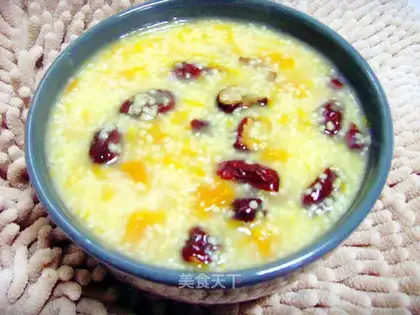 Millet, pumpkin and red dates porridge
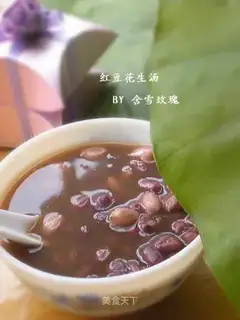 Red bean and peanut soup
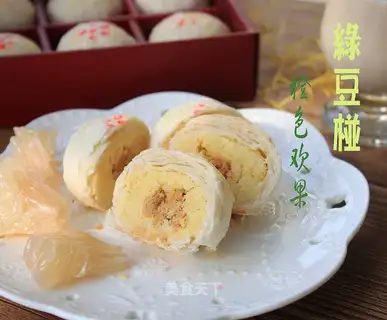 Green Bean
 Sodium
 Coalball black rice cake