The summer weather is hot, and most people choose to consume cold drinks and other cooling foods. However, summer is actually the season when one should pay the most attention to health preservation. So, what are the foods for summer health preservation? How should one maintain health in the summer? What dietary precautions should be taken?
Summer Dietary Precautions
1. Light and Bland
In the summer, most people's appetites tend to decrease, and the function of the spleen and stomach becomes relatively sluggish. At this time, it is suitable to eat some light and bland foods. Such foods can actually help stimulate the appetite, increase food intake, and strengthen the spleen to aid digestion. If one overindulges in rich, greasy, and nourishing foods, it can lead to a sluggish stomach and damage the spleen, affecting the digestion and absorption of nutrients and thus harming health. Therefore, the summer diet should focus on choosing foods like mung beans, hyacinth beans, watermelon, lychees, lotus seeds, silkworm pupae, buckwheat, jujubes, pork tripe, pork, beef, beef tripe, chicken, pigeon meat, quail meat, crucian carp, soft-shelled turtle, turtle royal jelly, honey, duck meat, cow's milk, goose meat, tofu, sugarcane, and pears.
Clear Soup Baby Bok Choy
2. Diuretic and Damp-Expelling Foods
Because of the hot and high temperatures in summer, the air is humid, and dampness can invade the body. The love for cold drinks and increased water intake, combined with external dampness entering the body, can cause dampness to accumulate in the spleen and stomach, disrupting their functions of ascending, descending, and transporting. This leads to water retention. Regularly eating diuretic and damp-expelling foods can strengthen the spleen. Once the spleen is healthy, its functions of ascending, descending, and transporting are restored, allowing it to expel dampness.
3. Bitter Foods
The summer heat is intense and the air is muggy. Eating more bitter foods can help clear summer heat, dry dampness, strengthen the spleen, and increase the appetite. Additionally, sour foods have astringent properties. In summer, excessive sweating can easily damage body fluids, and eating sour foods can help control sweating and stop diarrhea. Tomatoes have these effects: they promote the production of body fluids to quench thirst, clear heat and detoxify, and cool the blood. Eating more of them in the summer is beneficial.
Related Reading: Recipes for a Light Diet
4. Combination of Coarse and Fine Grains
Eat coarse grains three to four times a week. A combination of coarse and fine grains with a moderate balance of dry and wet foods is better for the body. In summer, a ratio of two wet meals to one dry meal is appropriate: have noodles and soy milk for breakfast, dry rice for lunch, and congee for dinner. The combination of meat and vegetables should be reasonable. In summer, vegetables like greens, melons, and beans should be the main component, supplemented by meat. Lean pork, beef, duck, and fish and shellfish are good choices. For the elderly, fish should be the main food, supplemented by lean pork, beef, and duck.
5. Eat More Bactericidal Vegetables in Summer
The summer diet is varied, and cases of bacterial infection are more common. Eating more bactericidal vegetables can prevent bacterial infections. These vegetables include garlic, onions, chives, and scallions. These allium vegetables are rich in natural broad-spectrum bactericides that can kill and inhibit various cocci, bacilli, fungi, and viruses. Among them, garlic is the most effective, and it is best eaten raw.
Stir-fried Squab
6. Drink Some Salt Water
In the summer, you sweat a lot, and your body loses a lot of salt. When you lose a lot of salt, you also lose a lot of potassium ions. Therefore, we need to replenish the salt lost by the body. You can drink a moderate amount of salt water daily to maintain bodily balance. You can also eat fruits and vegetables rich in potassium ions, such as strawberries, apricots, plums, celery, and edamame. Additionally, tea contains potassium ions, so you can drink more iced tea in the summer.
7. Don't Eat Leftover Watermelon
When it's truly hot, a whole watermelon or a half-cut one, if not protected, will grow "innumerable" bacteria within 6 hours. Therefore, cut watermelon should not be stored for more than 4 hours. Any uneaten portion should be refrigerated as soon as possible and kept as intact as possible. It's best to buy and eat watermelon fresh. If the watermelon is warm when you buy it, you might want to raise the refrigerator temperature a bit before chilling it; it will have the best flavor within two hours.
Additionally, when cutting watermelon, be sure to clean the watermelon, knife, and cutting board thoroughly. It's best to cut and eat it immediately. If there's any left, cover it with plastic wrap or put it in the fridge right away. When taking watermelon out of the fridge, you can first cut off about 1 centimeter from the surface.
Related Reading: A Complete Guide to Eating Onions
8. Don't Overdo Heatstroke Prevention
Many people drink mung bean soup or red bean soup because they have no appetite. However, these foods, like rice, are carbohydrates, and eating too much of them can also lead to weight gain. The smart choice is to replace, not add. If you want to have a bowl of mung bean soup after a meal, remember to reduce your rice portion by a quarter. If you want to treat mung bean soup as a meal, use less sugar and add low-fat milk and some fruit to achieve a nutritional profile similar to a full meal.
Chrysanthemum and Mung Bean Milk
9. Don't Overeat
Not overeating means not eating too much, especially for dinner. The saying goes, "Eat one bite less, and live to be ninety-nine." The "Huangdi Neijing - Suwen" states, "Diet should be regulated" and "Do not overindulge." The digestive power of the elderly and children is naturally weak, and it's even worse in the summer. Eating too much can lead to indigestion, easily damaging the spleen and stomach and causing stomach problems. If you eat until you are 80% full, your appetite will continue to be strong.
10. Try to Eat Less Leftovers
In the summer, you should eat more fresh food and try to avoid leftover meals from the previous night. It's best to cook exactly what you will eat each day. If you have leftovers for the sake of not being wasteful, you must store them properly to prevent bacterial growth. It's best to freeze them and put them in the refrigerator, but a refrigerator is not all-powerful, and the storage time should not exceed 6 hours.
What are the summer dietary tips?
Tip One:
Pay attention to nutrition. In hot weather, you lose not only a large amount of water but also amino acids, potassium, sodium, and vitamins B and C. High temperatures also accelerate the breakdown of protein in the body. Therefore, in the summer, you need to eat more foods rich in protein, vitamins, inorganic salts, and dietary fiber (such as lean meat, tofu, milk, eggs, turtle, and fresh vegetables and fruits). To improve your appetite, in addition to changing the variety of dishes and striving to cook delicious meals with great color, aroma, and taste, you can also skillfully use seasonings like garlic, rice vinegar, and ginger. You should also pay attention to food hygiene to prevent "illness from the mouth."
Related Reading: A Complete Guide to Eating Mung Beans
Tip Two:
Often eat cooling vegetables and fruits (such as bitter melon, winter melon, watermelon, bamboo shoots, bean sprouts, tremella, bananas, pears, etc.) to enhance the body's ability to resist heat and toxins, and reduce the harm of summer heat and toxins to the human body. The diet should be light, appetizing, and nutritious; one should not overindulge in rich and greasy foods.
Tip Three:
Drink more refreshing beverages (such as boiled water, light salt water, sour plum soup, light tea, soy milk, mung bean soup, chrysanthemum tea, mint water, etc.) to replenish what is lost from sweating and to promote the excretion of summer heat through urine. However, avoid unboiled water or fake sodas, and do not overindulge in ice pops, ice cream, and other frozen treats.
You May Also Like:
Nine Heart-Healthy Foods for Summer
These 6 Dishes Are Cooling and Appetizing in Summer
9 Bitter Vegetables to Aid Digestion and Reduce Body Heat in Summer
Eat 9 Fresh Summer Vegetables to Nourish Your Body!
 The green beans
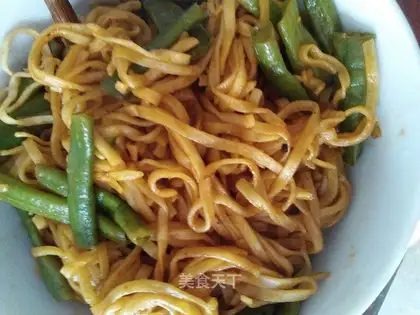 Steam noodles
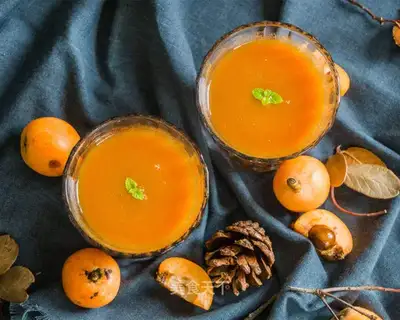 Mango juice