Is picking vegetables just about freshness? We all know that vegetables are rich in vitamins and have many benefits for the body. So, when faced with a dazzling array of vegetables, how can we correctly select fresh and healthy ones?
How to Pick Vegetables
Broccoli
Broccoli is a very healthy vegetable. It is not only nutritious but also has anti-cancer effects. The fresher the broccoli, the higher its nutritional value, and it can provide elements beneficial to human health. When buying broccoli, the darker green the head, the more sunlight it has received and the higher its nutritional value. The finer the buds and the absence of yellowing or black spots indicate better freshness. The bottom of the broccoli stem should be light green with white, without yellowing, turning black, or being too dry.
[Shandong] Garlic Broccoli with Wood Ear Mushroom
Lettuce
When picking lettuce, the most important part to check is the stem. A stem with a white color indicates freshness. Besides color, the better the lettuce, the crisper the leaves, which you can feel by pinching them. Also, the leaves should not be too thick, and the surface should have an attractive luster. The best way to test this is to drip a drop of water on it; if it doesn't bloom, it's a good choice. In areas with broken edges or wrinkles, unfresh lettuce will appear to have rust spots due to oxidation, while fresh lettuce will not.
Eggplant
The "calyx eye" refers to the white, slightly greenish band where the calyx connects to the fruit. The way to pick it is: the larger the calyx eye, the fresher and more tender the eggplant; conversely, a smaller calyx eye indicates an older eggplant. When selecting, also ensure the calyx eye is tightly closed. When cut, the inside should be white and tender, with a fragrant and soft texture. Additionally, a good, fresh eggplant should be straight, firm, and elastic, with a dull skin color.
Zucchini
You can squeeze it. If it feels hollow or soft, it means it's old. You can also press it with your fingernail. If the spot where you pressed is green and seems to be leaking water, it's tender. If the spot is yellow and dry, it's old.
Celery
Celery is generally divided into two types: green celery and Western celery. Green celery has a strong flavor, while Western celery has a milder, crisper texture. Regardless of the type, celery with very dark green leaves is not recommended for purchase. "Ink-black" leaves indicate that the plant grew in a drought with insufficient water, grew slowly, has a lot of coarse fiber, and will be tough in texture. When buying celery, the stalks should not be too long, 20-30 cm is appropriate. The leaves should be翠绿 (tender green), not withered, and the stalks should be thick. You can also pinch the base of the stem; hollow and soft ones are inferior, while solid and firm ones are better to eat and more fragrant and crispy. The freshness of celery is mainly determined by whether the leaves are flat and straight. Fresh celery has straight leaves. Celery that has been stored for a longer time will have curled leaf tips, soft leaves, and even yellowing or rust spots.
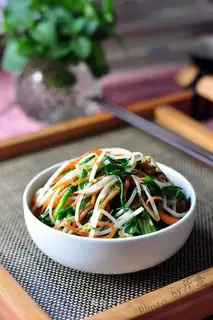
Celery Stir-fried with Pork Slices
Winter Melon
Winter melon is very large, so most families buy it sliced. You can press the flesh of the melon. A winter melon with firm flesh is best. A heavier one usually has more moisture, thicker flesh, and less pulp, making it a good choice. Choose a winter melon with a dark green skin, even patterns, and a layer of white powder on the surface. Its shape should be full with relatively thick flesh, which tastes better.
Extended Reading: A Complete Guide to Celery Recipes
Luffa
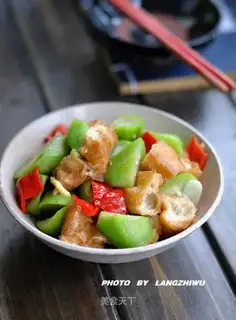
When selecting luffa, choose one that is firm, tender, and shiny. The skin color should be tender green or light green. The top of the flesh should be full without a bloated feeling. If the skin is withered yellow, the peel is dry and wrinkled, or the body is swollen with spots and dents, the gourd is overripe and inedible.
Old Fried Dough Stick Stir-fried with Luffa
Green BeansWhen buying green beans, it's generally best to choose those with uniform thickness, bright color, transparent and shiny surface, and full seeds. Green beans with cracks, wrinkled skin, overly thin pods without seeds, or insect marks on the skin should not be purchased.
These commonly bought vegetables are ones you shouldn't even accept for free next time—be sure to check them carefully.
Eating more vegetables is good for your health; that's common sense, but it's not absolute. Some vegetables can also be harmful to your health, such as the two types you need to be wary of below. They can cause mild poisoning or, in severe cases, lead to cancer.
First, unripe tomatoes contain alkaloids, which can cause poisoning after consumption. Therefore, you must eat fresh, fully ripe red tomatoes. So, try not to buy unripe tomatoes.
Second, nitrosamines can cause tumors in almost all human organs, with digestive tract cancers being the most common. Nitrosamine compounds are widely found in grains, milk, cheese, tobacco and alcohol, smoked and roasted meats, salted fish, canned foods, and drinking water. Unfresh foods (especially vegetables that have been boiled and left for a long time) have higher levels of nitrites. Therefore, don't buy unfresh vegetables.
If you like chives, rinse them several times: because organophosphate pesticides, which are commonly used, are water-soluble. Soaking and rinsing chives in water after buying them can reduce pesticide residue. Rootless bean sprouts can cause cancer. Therefore, those "pretty" white rootless bean sprouts will break immediately when you wrap them around your finger. When buying bean sprouts, we tend to choose those without roots, with thick short stems and small buds, thinking they are tender, crisp, less wasteful, and quick to cook. However, experts warn that these bean sprouts are highly toxic, have certain carcinogenic properties, and are very harmful to health. This is because, during the production process, herbicides are often used to make the bean sprouts grow without roots. And herbicides contain harmful substances that can cause cancer, birth defects, and mutations.
Oyster Sauce Chives with Bean Sprouts
Baby Cabbage: To extend its shelf life and prevent the roots from rotting, wholesalers will dip the packaged baby cabbage in a bucket of liquid. Consuming a large amount of formaldehyde in a short time can lead to acute poisoning. Although the amount of formaldehyde in baby cabbage is relatively small, it shouldn't be taken lightly. Living for a long time in an environment with high formaldehyde content may lead to leukemia or other cancers. When buying baby cabbage, first smell it to see if there is any strange odor. Second, soak the vegetables in clear water for ten minutes and rinse them repeatedly after bringing them home. Third, cook such baby cabbage at high temperatures to reduce the harm.
Extended Reading: A Complete Guide to Bean Sprout Recipes
You might also like:
4 Vegetables That Can Detoxify and Keep Your Bowels Healthy
Health on the Dining Table: Tips for Picking Vegetables
10 Common Vegetables You Shouldn't Eat Randomly—Be Careful of Carcinogens!
What Vegetables Are Good for Liver Protection? Are You Eating These Right?
 Old smelt
 Pelican sprouts
 Ginger
 Coke chicken wings