Bananas are naturally a fruit that promotes bowel regularity and relieves constipation, so many people choose to eat them to alleviate this issue. However, for some individuals, eating bananas seems to make their constipation worse. What's going on? Does this mean bananas don't actually help with constipation, or is there a wrong way to eat them?
Eating Bananas Worsens Constipation?
Many people find that after eating bananas, their constipation actually gets worse. How is this possible?
It's due to a substance called tannic acid. Tannic acid has a strong astringent effect that can bind stool into hard, dry masses, leading to constipation. Bananas contain tannic acid, and unripe bananas, in particular, have a large amount of it.
We all know that unripe bananas have green peels and are very bitter and inedible once peeled. This bitter taste comes from the tannic acid. When a banana ripens, its peel turns yellow or deep yellow, the astringent taste disappears, and it becomes soft, sweet, and beloved by people of all ages.
However, in reality, bananas are tropical and subtropical fruits. For convenient storage and transportation, they are picked while still green and artificially ripened. Therefore, most bananas eaten in northern regions are not naturally ripened. Although the bitter taste is gone, the tannic acid is still present. This explains why some people find their constipation worsens after eating bananas, especially the elderly and children—it's all the fault of tannic acid.
Banana Cake
Prevent Constipation by Eating Fully Ripe Bananas
Because unripe bananas contain more tannic acid, which has astringent effects on the digestive tract and can inhibit gastrointestinal motility, leading to constipation. Only fully ripe bananas can have a laxative effect. After buying bananas, it's best to let them ripen in a well-ventilated place until the peel has some black spots but the flesh inside remains unchanged. This is the ideal time to eat them.
In fact, even fully ripe bananas aren't the top choice for preventing constipation. High-fiber fruits are the real "powerhouses" for bowel regularity! Bananas contain 1.2g of dietary fiber per 100g, which is by no means a "high-fiber fruit." Pomegranates have up to 4.8g of dietary fiber per 100g, and the long-necked pear has 4.0g, which is higher than bananas. Additionally, apples are rich in dietary fiber and can absorb 2.5 times their own volume in water, softening stool and making it easier to pass. They are particularly suitable for the elderly and infants.
Related Reading: Banana Recipe Collection
What to Eat for Constipation
1. Pear
Pears contain 3 grams of fiber per 100 grams (mostly insoluble fiber). This insoluble fiber helps prevent constipation and digestive diseases, purifies the kidneys, cleanses the intestines, and people with chronic constipation should eat more pears. It also helps prevent colon and rectal cancer.
2. Dragon Fruit
In addition to preventing constipation, promoting eye health, increasing bone density, lowering blood sugar, blood lipids, and blood pressure, helping cell membrane formation, preventing anemia, lowering cholesterol, whitening skin and preventing dark spots, dragon fruit also helps remove heavy metal poisoning, fight free radicals, prevent age-related diseases, aid in weight loss, and has a moisturizing and laxative effect.
3. Walnut
Walnut kernels are a nourishing food that is also very effective for moistening the intestines and promoting bowel movements. They are neutral and warm in nature, so they don't harm the body. To treat constipation with walnuts, start by taking three or four walnuts, crack them, chew the kernels finely, and swallow them with warm water. Once bowel movements become regular, you can reduce the amount of walnuts.
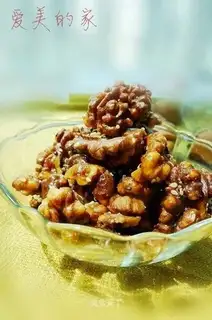
Walnut Candy
4. Kiwi
It contains a good amount of dietary fiber and proteolytic enzymes. These substances can quickly remove harmful metabolic waste from the body, prevent and treat constipation, and also play a good role in preventing colon cancer and arteriosclerosis. Eating 1-2 kiwis on an empty stomach in the morning and waiting an hour before eating can be very effective for treating constipation.
5. Grapefruit
Grapefruit has a sour, cold, and non-toxic nature. It has various functions such as promoting qi, aiding digestion, resolving phlegm, detoxifying alcohol, relieving pain, and treating constipation. Grapefruit itself is rich in nutrients; its calcium and vitamin content far exceed other fruits. Its vitamin C content is three times that of lemons and oranges. Its calcium content is even 10 times higher than that of apples, pears, and bananas. Grapefruit is also rich in natural citric acid and various inorganic salts, which not only support the functions of the liver, stomach, and lungs but also have the effects of clearing heat, reducing fire, relieving coughs, and resolving phlegm.
Related Reading: Banana Recipe Collection
Constipation Remedies
1. Eat a few walnut kernels in the morning and evening, or snack on them throughout the day. The total amount of walnuts consumed in a day should be around 25 grams.
2. Drink a glass of cool water on an empty stomach in the morning, followed by some honey water taken on an empty stomach. Eating an apple on an empty stomach in the morning is also very effective; this is my personal experience over many years.
3. Drinking yogurt, eating pumpkin, drinking fresh fruit and vegetable juices, and eating sesame seeds are all very effective! Sesame seeds are the most effective.
4. Make congee with apples. After the congee is cooked, add some raisins and honey. This can have a moisturizing and laxative effect.
5. Make sure to have one apple, one glass of honey water, one serving of whole grains, and one tablespoon of black sesame seeds every day.
6. Monks fruit (Lo Han Guo) is rich in vitamin C, is cool in nature and sweet in taste, and has the effects of reducing inflammation, clearing heat, soothing the throat, and moistening it.
7. Soak one monk's fruit in a teacup. You can drink it for 1-2 days, and it will make your bowel movements very smooth.
You May Also Like:
Easy Solutions for Constipation: The Best Laxatives
What Foods Are Good for Constipation? 5 Recommended Fruits
Weight Loss Causing Constipation? What Vegetables Can Help Relieve It?
8 Benefits of Chrysanthemum Tea for Brightening Eyes, Skin Care, and Preventing Constipation
 Amber walnut
 Banana cake