The winters in the north are dry and cold, while those in the south are damp and cold. Many people ask what they should eat for winter health preservation. The goal of health preservation is actually to enhance the body's disease resistance. But regardless of the approach, it must follow the principle of "harmonizing with yin and yang, and adapting to the four seasons," which means synchronizing with the rhythms of the external environment. Let's take a look at the foods that are suitable for winter health preservation.
Winter Health Preservation Foods
1. Black Fungus
Black fungus contains a high amount of trace elements, vitamins B1, B2, carotene, mannose, pentose, xylose, lecithin, cephalin, calcium, iron, and more. It helps prevent blood clotting, cardiovascular and cerebrovascular diseases, and constipation. Traditional Chinese medicine considers black fungus to be neutral in nature and sweet in taste, with the effects of replenishing qi, benefiting intelligence, and generating blood. It is effective for anemia, soreness and weakness of the waist and legs, and numbness of the limbs.
2. Soybean Sprouts
Soybean sprouts are the product of soybeans that have been soaked and germinated in water. In this process, under the action of their own enzymes, the protein structure of the soybeans becomes loose, improving the digestibility and biological value of the protein. The content of vitamins B1, B2, C, and water-soluble fiber also increases, making it an ideal, highly nutritious vegetable.
Wood Ear Stir-fry with Eggs and Pork
Extended Reading: A Complete Guide to Eating Black Fungus
3. Sea Bass
Sea bass is rich in easily digestible protein, fat, vitamin B2, niacin, calcium, phosphorus, potassium, copper, iron, selenium, and more. Traditional Chinese medicine considers sea bass to be warm in nature and sweet in taste, with the effects of strengthening the spleen and stomach, nourishing the liver and kidneys, and relieving coughs and reducing phlegm. In winter, sea bass is plump and delicious, with snow-white, delicate flesh, making it the best season to enjoy it.
4. Shiitake Mushroom
Shiitake mushrooms contain a variety of vitamins and minerals, over 50 types of enzymes and free amino acids, choline, adenine, ergosterol, and lentinan. They have the effect of inhibiting the body's synthesis of cholesterol, promoting its breakdown and excretion, and preventing blood lipid levels from rising.
Caution: Shiitake mushrooms are considered a food that can trigger wind. They should be avoided by patients with persistent pruritus or those with damp-cold in the spleen and stomach or qi stagnation, as well as those with skin itching diseases.
Stuffed Shiitake Mushrooms
Extended Reading: A Complete Guide to Eating Shiitake Mushrooms
5. Milk
Milk is one of the best sources of nutrients for the human body. Its protein contains all nine essential amino acids. The fat particles are small and in a highly dispersed state, making it highly digestible. The carbohydrates in milk are mainly lactose, which is beneficial for the proliferation of lactic acid bacteria and inhibits the growth of putrefactive bacteria. Traditional Chinese medicine considers milk to be sweet and neutral in nature, with effects of tonifying deficiency and nourishing the body, promoting the production of body fluids and moistening the intestines, and quenching thirst. In winter, we need to pay special attention to calcium supplementation, and the calcium in milk is not only abundant but also easily absorbed.
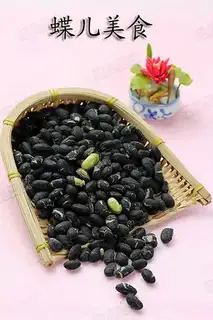
6. Black Soybean
Among all types of beans, black soybeans have the highest protein content, more than double that of pork leg. The fats it contains are mainly monounsaturated and polyunsaturated fatty acids, with essential fatty acids accounting for 50% of what the body needs. It also contains phospholipids, daidzein, and biotin. Therefore, eating black soybeans does not risk causing high blood lipids and can even lower cholesterol. Traditional Chinese medicine considers black soybeans to be neutral in nature and sweet in taste, with the function of moistening the intestines and nourishing the blood.
7. Soybean
The nutritional components of soybeans are relatively complete, with its protein being a "complete protein" that is high in lysine, which can compensate for the lack of lysine in grains. It can be used as a vegetable or as a substitute for grain, and is especially beneficial to eat in winter. Traditional Chinese medicine considers soybeans to be sweet in taste, with the effects of harmonizing the stomach, regulating the middle, strengthening the spleen, and replenishing qi.
Frying Black Soybeans on the Second Day of the Second Lunar Month
Extended Reading: A Complete Guide to Eating Black Soybeans
You might also like:
Winter Dietary Health Preservation: These Little Tips to Remember!
Winter Health Preservation: Remember These 9 Little Tricks
4 Mistakes to Avoid When Eating Nourishing Foods in Winter
Three Glasses of Water a Day to Help the Elderly with Health Preservation
 February 2nd, black beans
 Chocolate cookie house
 Jealousy liver