The cold winter weather calls for changes in diet. Eating more foods that help warm the body and resist the cold not only provides warmth but also offers health benefits. Here are some tips on winter diet and wellness that we hope will be helpful to you.
I. Common Health-Promoting Foods
1. Grains Nourish Life; Drink More Millet Porridge
"Grains are for nourishment, fruits are for support, and livestock are for benefit." To be healthy, one must eat grains, as they nourish life. Fruits and vegetables aid digestion. Meats provide supplementary benefits.
Millet is sweet and salty in taste, and cool in nature. It benefits the spleen and stomach, nourishes kidney qi, relieves vexation and heat, and promotes urination. It is particularly suitable for making porridge for conditions such as deficiency heat in the spleen and stomach, nausea and vomiting, diarrhea due to spleen deficiency, vexation and dry mouth, and urinary difficulty due to heat in the bladder.
2. High Cholesterol: Eat Two Sweet Potatoes Daily
Sweet potatoes contain 8% dietary fiber, most of which is soluble, making them very effective for promoting bowel movements. Traditional Chinese medicine holds that "sweet potatoes can harmonize the middle burner and nourish the blood, warm the stomach, enrich the five organs, serve as a staple food, and prolong life."
Sweet potatoes can be a cholesterol fighter. Eating two sweet potatoes, one in the morning and one in the evening, is very helpful for lowering cholesterol. Li Shizhen once said, "Eating sweet potatoes makes one live a long life with fewer illnesses," and "sweet potatoes can harmonize the middle burner and nourish the blood, warm the stomach, enrich the five organs, serve as a staple food, and prolong life." The benefits of sweet potatoes have been known since ancient times.
However, sweet potatoes should not be eaten raw because their starch is difficult to digest. Second, they contain "gasifying enzymes," and eating too much can cause discomfort such as bloating, heartburn, and belching. Therefore, sweet potatoes must be steamed, boiled, or roasted. It is best to eat them with corn, which makes them sweet and refreshing while promoting health and longevity.
Sweet Potato and Sausage Braised Rice
Extended Reading: A Complete Guide to Eating Sweet Potatoes
3. High Blood Lipids: Eat Some Frozen Tofu
There are also good things in your daily diet that can lower blood lipids, and frozen tofu is one of them. Frozen tofu is rich in unsaturated fatty acids, which can lower cholesterol. The pores of frozen tofu can absorb oil, providing a certain cleansing effect for the intestines. However, frozen tofu is best boiled in a clear broth; otherwise, it will absorb the oil from the soup, which is actually unhealthy. It should not be consumed by patients with gout during an acute attack.
4. Poor Heart Health: Eat Some Potatoes
Potatoes contain 15% to 25% carbohydrates, more than any other vegetable, and also contain more plant protein than most vegetables. Every 100 grams of potatoes contains 502 milligrams of potassium, making them one of the few high-potassium foods.
Patients with heart disease, especially those with heart failure, often have varying degrees of edema and often take diuretic drugs, which can easily lead to potassium loss in the body. Therefore, eating potatoes regularly can supplement potassium, as well as carbohydrates, protein, minerals, and vitamins.
Cold-dressed Shredded Potatoes
Extended Reading: A Complete Guide to Eating Potatoes
5. Nourish the Liver and Improve Vision: Have Some Bitter Melon
The fruit of bitter melon is rich in protein, sugar, minerals, and various vitamins. Its vitamin C content is particularly outstanding, being 14 times that of cucumber, 5 times that of winter melon, and 7 times that of tomato. It helps prevent scurvy, protect cell membranes, prevent atherosclerosis, improve the body's stress response, and protect the heart.
From a Traditional Chinese Medicine perspective, bitter melon has the effects of clearing heat and relieving summer heat, nourishing blood and qi, tonifying the kidneys and strengthening the spleen, and nourishing the liver and improving vision. It is also effective for treating dysentery, sores and swellings, summer heat and fever, excessive heat rash, and conjunctivitis. The momordicoside and bitter principles in bitter melon can stimulate appetite and strengthen the spleen and stomach. The alkaloid quinine it contains has diuretic, blood-activating, anti-inflammatory, fever-reducing, and heart-clearing effects.
Cold-dressed Bitter Melon
Extended Reading: A Complete Guide to Eating Bitter Melon
II. Wellness Tips
1. Eat More Cold-Resistant Foods
Those who suffer from soreness in the lower back and knees, and deficiency of both qi and blood, are often sensitive to cold. Appropriately choosing foods with cold-resistant properties for warming and nourishment can improve this condition. Eating more cold-resistant foods can warm the body's tissues, enhance physical fitness, promote metabolism, and improve the body's ability to resist cold.
2. Increase Thermogenic Nutrients
Due to the severe cold of winter, the body consumes more energy daily to adapt to the external environment. Therefore, the intake of thermogenic nutrients (protein, fat, and carbohydrates) should be increased. It is particularly advisable to relatively increase the intake of some fats, such as adding a small amount of fatty meat when eating meat dishes.
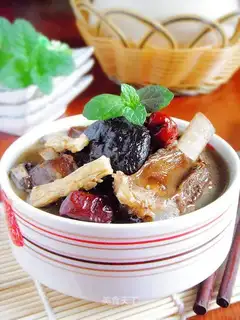
Bamboo Fungus and Winter Melon Pork Rib Soup
Extended Reading: A Complete Guide to Eating Winter Melon
3. Supplement Methionine
The cold climate causes an increase in the excretion of creatinine in human urine and accelerates fat metabolism. The synthesis of creatine and fatty acids, as well as the heat released from oxidation in the body, all require methyl groups. Therefore, in winter, one should consume more foods rich in methionine.
4. Don't Skimp on Vitamins
The cold climate enhances the body's heat production through oxidation, and vitamin metabolism also undergoes significant changes. Increase vitamin A to enhance the body's cold tolerance. Increase the intake of vitamin C to improve the body's adaptation to severe cold and to provide good protection for blood vessels. Vitamin A mainly comes from foods like animal liver, carrots, and dark green vegetables. Vitamin C mainly comes from fresh fruits and vegetables.
5. Consume Minerals in Moderation
A person's sensitivity to cold is also related to the intake of minerals. For example, the amount of calcium in the body directly affects the contractility and excitability of the heart, blood vessels, and muscles. Supplementing calcium can improve the body's ability to resist cold. Foods rich in calcium include milk, soy products, and kelp. Salt is also very important for the body's ability to generate heat. It can enhance the body's heat-producing function. Therefore, in winter, seasonings should be primarily heavy, spicy, and warming, but not overly salty.
Braised Lamb with Aromatic Spices
Extended Reading: A Complete Guide to Eating Lamb
You May Also Like:
Winter Wellness: Try These Healthy Porridges
5 Foods Suitable for Winter Wellness
Winter Wellness: Don't Let Your Neck Get Cold
7 Must-Learn Wellness Tips for a Lazy Person in Winter
 braised mutton
 Stewed rice with sweet potato sausage
 Hammelon ice cream
 cucumber carrot soy sauce
 Baconburger