Blood vessels, especially coronary arteries, are prone to contraction and spasm in the cold winter, leading to insufficient blood supply and potentially causing embolism, so it is very important to keep warm. Moreover, many people's cardiovascular diseases are caused by long-term improper diet and require timely conditioning and recovery. So, what foods are suitable for protecting blood vessels?
Foods for protecting blood vessels
1. Cabbage
Cabbage can be said to be an absolute hero for blood health. In addition to containing vitamin C, potassium, calcium, and dietary fiber, it also has isothiocyanates with strong antioxidant activity, as well as rare vitamins U and K, which protect the vascular mucosa, accelerate blood circulation, and make blood vessels stronger and more elastic.
In addition, cabbage also has the effect of protecting mucosal cells and has good clinical effects in the prevention and treatment of gastritis and gastric ulcers.
2. Propolis
Propolis is really a good thing—it is made from bee fat and has strong antibacterial properties, known as a "natural vitamin." At the same time, propolis is also a natural and highly effective immune enhancer that can stimulate the body's immune function and enhance the vitality of macrophages. Nutrients such as flavanones, flavonoids, isoflavones, and vitamin P in propolis, as well as abundant minerals, help improve human immunity, effectively prevent blood vessels from being oxidized, ensure the youthfulness of blood vessels, and keep blood viscosity in a just-right state.
【Shanxi】 Pickled Cabbage
Extended reading: A complete guide to eating cabbage
3. Black carp
Black carp is rich in unsaturated fatty acids, which can improve blood viscosity. In addition, black carp is also rich in DHA, which can reduce the content of bad cholesterol in the human body. It is an irreplaceable "scavenger" for the blood, reducing the chance of thrombosis and blood lipid coagulation, and keeping the internal organs in perfect condition at all times.
4. Walnuts
Rich in phosphorus and a large amount of linoleic acid. Phosphorus can nourish brain nerves; linoleic acid can prevent arteriosclerosis.
5. Sweet potatoes
Sweet potatoes are rich in potassium, beta-carotene, folic acid, vitamin C, and vitamin B6. These ingredients all help prevent arteriosclerosis. Among them, beta-carotene and vitamin C have the effect of anti-lipid oxidation and preventing atherosclerosis; supplementing folic acid and vitamin B6 helps to lower the level of homocysteine in the blood and avoid its damage to arterial blood vessels. In addition, sweet potatoes also contain a large amount of mucoprotein and mucopolysaccharides, which can maintain the elasticity of the human cardiovascular wall.
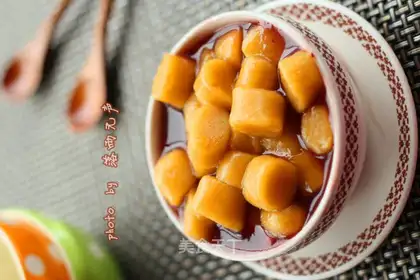
Sweet Potato Balls
Extended reading: A complete guide to eating sweet potatoes
6. Hawthorn
Hawthorn can significantly reduce serum cholesterol and triglycerides, effectively prevent and treat atherosclerosis, and also increase myocardial contractility and dilate coronary blood vessels. In addition, the total flavonoids in hawthorn have the effect of dilating blood vessels and lowering blood pressure persistently. For patients with arteriosclerosis accompanied by hyperlipidemia, hypertension, or coronary heart disease, 15-30 grams of raw hawthorn can be taken daily, decocted in water to be taken as tea.
7. Shiitake mushrooms
Contain a type of nucleic acid substance. This nucleic acid substance can inhibit the production of cholesterol, prevent arteriosclerosis and blood vessel fragility, and has a positive effect on preventing and treating cardiovascular diseases.
8. Buckwheat
Buckwheat is rich in vitamin E, soluble dietary fiber, niacin, and rutin (rutinoside). Rutin can lower blood lipids and cholesterol in the human body, soften blood vessels, protect vision, and prevent cerebral hemorrhage; niacin can promote the body's metabolism, enhance detoxification ability, and also has the effect of dilating small blood vessels and lowering blood cholesterol. Buckwheat is rich in magnesium, which can promote fibrinolysis in the human body, dilate blood vessels, inhibit the formation of blood clots, has an anti-thrombotic effect, and is also beneficial for lowering serum cholesterol.
Tofu and Egg Custard
Extended reading: A complete guide to eating shiitake mushrooms
You may also like:
5 major signs of vascular blockage
Eating more kelp can prevent cardiovascular and cerebrovascular diseases
Protect your blood vessels through diet!
Don't ignore leg pain, it might be a blocked blood vessel
 Potato pink
 Sweet beef balls
 Sugar vinegar ribs