There are fewer seasonal vegetables in winter, but modern technology allows us to enjoy fresh, various vegetables anytime. Regularly eating vegetables can provide our bodies with various vitamins and minerals, and can also help prevent some diseases. Today, let's take a look at which vegetables are good to eat in winter!
1. Bok Choy
Bok choy, a winter seasonal vegetable, is rich in vitamin C, iron, and other minerals. It can protect and nourish the stomach, just like sweet potato, it also helps replenish qi and strengthen the spleen and stomach! Moreover, eating it regularly can help prevent duodenal ulcers!
2. White Radish
White radish is known as "little ginseng," which shows its high nutritional value. In most households, white radish is used to make soups, which are very delicious. Eating white radish in winter can help nourish the body and also prevent colds.
Bok Choy and Tofu Soup
Extended Reading: A Complete Guide to Eating Bok Choy
3. Lotus Root
Lotus root is rich in nutrients whether eaten raw or cooked. It is also easy to digest, making it especially suitable for the elderly, pregnant women, and children. For women, eating lotus root regularly can not only nourish the heart and replenish blood but also has nourishing effects.
4. Cabbage
Cabbage, also known as head cabbage, contains several times more vitamin C than tomatoes. It is also rich in calcium and various trace elements. Eating it regularly can also help prevent cancer.
Lotus Root Porridge
Extended Reading: A Complete Guide to Eating Lotus Root
5. Chinese Yam
The oligosaccharides in Chinese yam can enhance human immunity and delay aging! Diabetics can eat more to slow the progression of the disease. Because its starch content is high, it can easily produce a feeling of fullness, thus controlling food intake! The mannan it contains can stimulate insulin sensitivity, thereby helping to manage diabetes!
6. Bean Sprouts
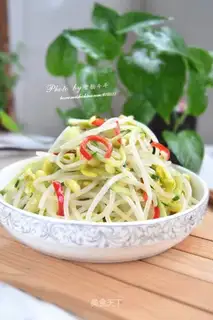
In summer, bean sprouts often have a pungent smell due to the hot weather, but in the cold winter, they smell much better! The chlorophyll in bean sprouts can prevent rectal cancer, and eating more can also relieve fatigue!
Cucumber and Bean Sprout Salad
Extended Reading: A Complete Guide to Eating Soybean Sprouts
7. Spinach
Spinach is rich in iron, carotenoids, vitamin C, calcium, and more. People with anemia, habitual constipation, or night blindness can improve their symptoms by eating more. It can also beautify the skin, making it more delicate and firm!
8. Broccoli
Broccoli is known as the "crown of vegetables," and its average nutritional value and disease prevention effects rank first. Besides being rich in vitamin C, which can help prevent cancer and reduce the incidence of breast cancer, rectal cancer, stomach cancer, and stroke, it also contains ascorbic acid, which can enhance the liver's detoxification function and help control diabetes!
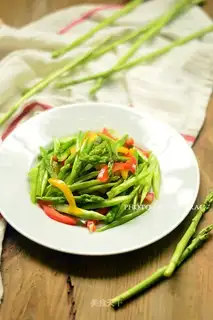
Stir-fried Spinach with Goji Berries
Extended Reading: A Complete Guide to Eating Spinach
You may also like:
9 Vegetables to Cleanse the Intestines and Prevent Edema
6 Healthy Vegetables That Can Fight Cancer
4 Vegetarian Vegetables Perfect for Autumn, with Benefits That Outweigh Fat!
3 Vegetables to Lower Blood Sugar and Precautions
 cucumber sprouts
 Clear the fire
 Meatwater steamed eggs
 Bean milk box