Older people have very fragile bones and are prone to osteoporosis, leading to symptoms like fractures, which have many adverse effects on the body. Therefore, it is important to take daily protective measures. What foods can help prevent osteoporosis?
Foods to prevent osteoporosis
1. Onions – Prevent calcium loss.
In the past, we only knew that onions had antibacterial effects and could boost immunity. Now, Swiss research has found that post-menopausal women who regularly eat onions can effectively prevent calcium loss from bones and prevent osteoporosis. The internationally renowned journal "Nature" has also published a new study, pointing out that onions are the vegetable most effective at preventing bone loss.
Notes: Onions contain volatile sulfur compounds, and consuming too much may cause gas.
Selection and Storage: When selecting, choose onions with a complete, undamaged bulb, free from rot, bruises, or cracks. For storage, unpeeled onions are not cold-resistant and can be stored in a cool, ventilated place. If the onion has been cut, it should be refrigerated and consumed as soon as possible.
2. Water Bamboo Shoots – Delay bone aging.
Many people see the small black spots on water bamboo shoots and pick them out, thinking they are spoiled. In fact, these small black spots are precisely why water bamboo shoots can help prevent osteoporosis. These spots are a type of fungus called "Ustilago esculenta," which has positive effects on metabolism and can delay bone aging.
Notes: Water bamboo shoots are a cooling vegetable and should not be eaten by women during their menstrual period or by patients with a weak constitution. Additionally, water bamboo shoots are rich in oxalates, so patients with kidney failure or urinary tract stones must avoid them.
Selection and Storage: Plump water bamboo shoots indicate they are full of moisture. Shoots that are straight with smooth skin have more tender flesh. Shoots that are flat, thin, curved, or misshapen have a poorer texture. Furthermore, if the tip of the shoot shell is too green or the white part of the shoot is bluish-green, it means the shoot is old and has a poor texture. For storage, if you are not going to cook them immediately, it is recommended not to peel the outer shell when you buy them. Wrap them in newspaper, then place them in a plastic bag and store in the refrigerator. They can be kept for about four days.
Onion and Vegetable Rice Cake
Extended reading: A Guide to Eating Onions
3. Cabbage – Help absorb calcium and vitamin D.
Cabbage gets its name from its nutritional value, which is likened to ginseng among vegetables. The anti-osteoporosis effect of cabbage comes from its vitamin K content. In addition to calcium, bone health requires various nutrients to help with bone metabolism, and vitamin K is one of them. Vitamin K helps the absorption of calcium and vitamin D and is an indispensable nutrient for preventing osteoporosis.
Notes: When cleaning cabbage, wash each leaf individually to prevent insect eggs from being hidden in the inner leaves.
Selection and Storage: When selecting, choose a heavy, whole cabbage without breaks or spots. For storage, it is recommended to remove the outer two or three dark green leaves after purchase, then use them to wrap the remaining cabbage, or wrap it in newspaper and store it in a cool, ventilated place or in the refrigerator.
Sesame Seaweed Salad
Extended reading: A Guide to Eating Seaweed
You may also like:
10 Dietary Therapy Methods to Strengthen Nutrition for Osteoporosis
Osteoporosis is Terrifying. What Should You Pay Attention to When Supplementing Calcium?
What are the Symptoms of Osteoporosis in Women? How to Prevent It?
Beware of Shortened Stature. What Should Patients with Osteoporosis Eat?
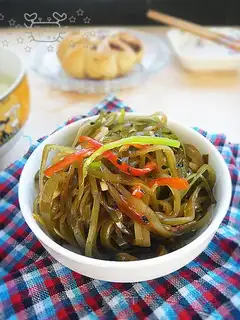 Sesame Belt
 The fragrance