Introduction: With the advancement of agricultural production technology and the improvement of people's living standards, the demand for ingredients can be easily met. However, at the same time, the pursuit of exquisite food has also led to food waste. In the kitchen, some foods are thrown away as "garbage," but in fact, these foods are treasures!
In our daily lives, it seems we are already clear about which foods are acceptable and which are not. But did you know that some of the foods we throw away in the kitchen actually contribute significantly to our health? These foods include fish eyes, fish scales, bone marrow, and small lotus root nodes.
Vegetable Leaves
Besides leafy vegetables like bok choy and cabbage, the leaves of many other vegetables are naturally discarded. In fact, the nutritional value of some vegetable leaves is often greater than that of their roots and stems, so it's a real pity to throw them away. For example, chili leaves are considered in Traditional Chinese Medicine to have the effects of dispelling cold and warming the stomach, nourishing the liver and improving vision, as well as aiding in weight loss and beauty. Chili leaves are rich in calcium, carotene, various vitamins, and other nutrients, and they have a sweet taste and a pleasant texture.
Salted Pork Bone with Chili Leaves
Corn Silk
Many people remove all the corn silk when cooking corn, letting a large amount of this "golden treasure" be discarded in the wind. In Traditional Chinese Medicine, corn silk is also known as "Dragon Beard." It has a neutral nature and is used for good preventive healthcare, helping to calm the liver and promote bile secretion, as well as to clear heat and promote urination. It is quite effective in treating high blood pressure, diabetes, gallstones, nephritic edema, and jaundice hepatitis.
>Nutritionists point out that corn silk contains valuable flavonoids, glycosides, minerals, organic acids, and sugars. It also contains components with medicinal value such as antioxidant, anti-tumor, and immune-regulating properties, which we should make full use of.The "Outer Coat" of Rice
When washing rice, if you soak it for too long, wash it with hot water, or wash it too many times, you lose the "outer coat" of the grain. Traditional Chinese Medicine believes that rice is sweet and neutral in nature, with effects such as tonifying the middle and Qi, strengthening the spleen and nourishing the stomach, benefiting essence and strengthening the will, harmonizing the five organs, unblocking the blood vessels, and improving hearing and vision, as well as relieving vexation, thirst, and diarrhea.
Corn Silk and Mung Bean Sweet Soup
Nutritionists point out that the "outer coat" is rich in B vitamins, which have a good regulatory effect on the human nervous system. There have been reports of infants in certain areas dying from beriberi due to consuming refined rice and flour.
Clever Uses of Rice Washing Water:
1. Washing your hands with rice washing water can not only remove dirt but also make your skin moist and smooth.
2. Gargling with rice washing water can treat bad breath or mouth ulcers.
Use Rice Washing Water to Preserve Food Nutrients
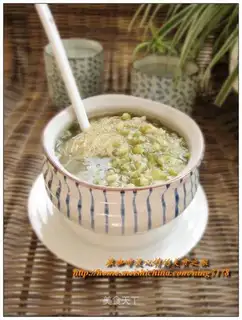 Corn silk mung bean syrup