Introduction: Everyone has heard of superfoods selected by foreign countries, but some are either unavailable domestically or too expensive. Recently, Taiwan's "Common Health" magazine invited multiple nutrition experts to synthesize numerous studies and propose the most affordable superfoods.
I. Brown Rice. Brown rice is rich in B vitamins, vitamin E, and minerals such as magnesium and phosphorus. The latest research finds that simply replacing white rice with brown rice can reduce the risk of type 2 diabetes. Additionally, gamma-oryzanol in brown rice is a powerful antioxidant that can lower cholesterol, and its lignan can prevent breast cancer and other hormone-related cancers.
Experts recommend choosing organic brown rice. Because brown rice retains the bran and germ, it might actually absorb more pesticides than white rice. When cooking brown rice, first soak it in cold water for one hour, then steam it with water and rice in a 1.2:1 ratio. If you are not used to it at first, you can mix it with white rice.
Brown Rice and Pumpkin Purée
II. Sweet Potato. Sweet potatoes are rich in potassium, which can boost energy and maintain heart health and normal blood pressure. Furthermore, research shows that sweet potatoes can also fight breast and prostate cancer, prevent degenerative diseases, and improve memory. However, sweet potatoes have a relatively high glycemic index, so diabetics should eat them in moderation. It is recommended to choose medium-sized sweet potatoes (about the length of a palm) for the best flavor.
III. Sweet Potato Leaves. The University of Arkansas in the USA lists sweet potato leaves as the most nutritious vegetable in the world because they contain 15 types of antioxidants that can prevent heart disease, inflammation, and some cancers. The Institute of Biological Sciences at Sun Yat-sen University found that the more people consumed crown daisy and sweet potato leaves, the lower their risk of lung cancer. Sweet potato leaves are also rich in vitamin C and iron; one serving can almost meet a day's needs.
Garlic-Sautéed Sweet Potato Leaves
IV. Tomato. A Harvard University study found that people who ate 10 servings of tomatoes, tomato sauce, tomato juice, or even pizza per week had a 45% lower risk of prostate cancer than those who ate fewer than two servings per week. Additionally, tomatoes can also fight breast, cervical, bladder, and lung cancer. Tomatoes can also reduce the risk of cardiovascular disease and protect the eyes, making them a good choice for office workers who frequently use their eyes.
V. Cabbage. Researchers observed that women in Eastern European countries like Poland and Russia have a lower incidence of breast cancer than women in the Americas. After analyzing their diets, they found cabbage to be the main contributor. This is because cabbage contains many powerful antioxidants, such as isothiocyanates, which can prevent lung and esophageal cancer, and sulforaphane, which helps the body detoxify. In addition to its antioxidant effects, cabbage is also a good source of vitamin C and fiber, as well as eye-protecting carotenoids like lutein and zeaxanthin. Don't be fooled by its high nutritional value; a serving of stir-fried cabbage has only 52 calories. Furthermore, autumn and winter are the best seasons to eat cabbage, as it is not only more delicious but also safer.
Spicy and Numbing Cabbage
VI. Kyoho Grapes. Resveratrol in Kyoho grapes is a star anti-cancer compound. A paper published in the journal "Science" showed that resveratrol inhibits tumor initiation, growth, and spread. Resveratrol also has anti-aging effects. Professor Sinclair of Harvard University's Department of Pathology discovered experiments that feeding small amounts of resveratrol to fruit flies, yeast cells, or mice significantly extended their lifespans. Additionally, grapes contain powerful antioxidants like anthocyanins, which can protect the heart and increase good cholesterol.
VII. Banana. Bananas are effective in preventing cancer. Professor Masayoshi Yamazaki of the University of Tokyo pointed out that the riper the banana, the more black spots on its skin, and the higher its immune activity. A banana with black spots on its skin has 8 times the ability to increase white blood cells compared to a green one. Bananas can prevent rectal, colon, and kidney cancer. A Swedish study found that women who ate 4-6 bananas per week had their risk of kidney cancer halved.
Many people are afraid that bananas are too sweet, but in fact, their glycemic index is moderate, and one banana has only about 100 calories, which is about 1/3 of a bowl of rice. When buying bananas, look for ones that are full, have a smooth tail, and do not have distinct ridges on the skin.
Banana and Egg Pancake
 Spicy cabbage
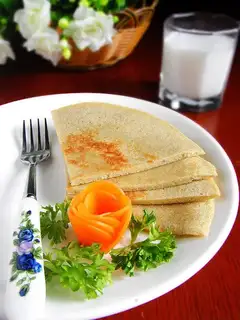 Banana omelet
 Brown rice juice and pumpkin paste
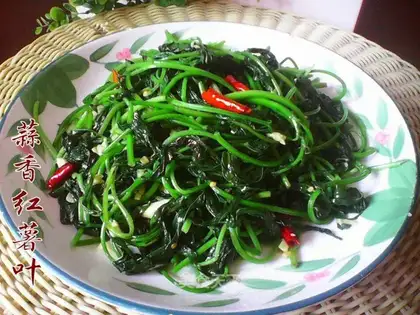 Garlic potatoes