Introduction: Spring is the season of growth and renewal. As written in the "Huangdi Neijing · Suwen": "In the first three months of spring, all things are born anew; heaven and earth are in full life, and all beings flourish." This means that during the three spring months, all life renews itself with vitality. Man should adapt to the seasons, nurture life's energy, and unify the body with the external environment, which is called "the way of health preservation corresponding to the spring qi." For the elderly, it is especially important to pay attention to dietary conditioning in spring to ensure health and longevity.
In early spring, the temperature is still relatively cold, and the body consumes a certain amount of energy to maintain its core temperature. Therefore, the nutritional composition in early spring should be based on high-calorie foods. In addition to grain products, foods such as soybeans, sesame seeds, peanuts, and walnuts should be chosen to replenish energy in a timely manner. Due to the stimulation of cold, the body's protein decomposition can accelerate, leading to a decrease in resistance and illness. Therefore, it is also necessary to supplement with high-quality protein foods in early spring, such as eggs, fish, shrimp, beef, chicken, rabbit meat, and soy products. These foods are rich in methionine, which has the function of enhancing the body's cold tolerance.
Air Fryer Roast Beef
Spring is also the season when the climate changes from cold to warm, with significant temperature fluctuations. Bacteria, viruses, and other microorganisms begin to multiply and become more active, easily invading the human body and causing disease. Therefore, the diet should include sufficient vitamins and inorganic salts. Fresh vegetables such as bok choy, rapeseed, bell peppers, and tomatoes, and fruits such as citrus and lemons are rich in vitamin C and have antiviral effects. Yellow-green vegetables like carrots and amaranth are rich in vitamin A, which can protect and strengthen the mucous membranes of the upper respiratory tract and the epithelial cells of the respiratory organs, thereby resisting the invasion of various pathogenic factors. Foods rich in vitamin E should also be consumed to improve the body's immune function and enhance its disease resistance. These foods include sesame seeds, green cabbage, and cauliflower.Light and Refreshing Lemon Tart
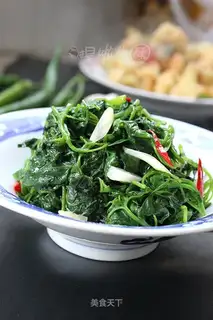
Traditional Chinese medicine also believes that "in spring, it is advisable to reduce sour foods and increase sweet ones to nourish the spleen." This is because spring is the time when liver qi is vigorous, and an excess of liver qi can affect the spleen, leading to weakness in the spleen and stomach. Eating more sour foods can cause liver function to become excessive. Therefore, for dietary conditioning in spring, it is best to choose pungent, sweet, and warm foods, and avoid sour and astringent ones. The diet should be light and palatable, avoiding greasy, raw, cold, and irritating foods. Additionally, spring is the off-season for vegetables. However, wild vegetables and mountain greens grow earlier than common vegetables and are rich in vitamins. They can be picked and eaten to supplement the deficiencies of common vegetables.Sautéed Chenopodium Album
 Cream graze
 We're gonna make some Dutch beans