Introduction: During the May Day holiday, temperatures are rising in most cities across China, and the mainland will gradually usher in early summer. In hot weather, people tend to sweat and enjoy cooling foods to "beat the heat." In this regard, Ma Guansheng, Deputy Director of the Institute of Nutrition and Food Safety at the Chinese Center for Disease Control and Prevention, said that in hot weather, one should not overindulge in cold foods and should pay attention to the "three mores and three lesses" in their diet.
As early summer approaches, temperatures have soared in recent days. With the heatwave coming, are you ready? In high temperatures, people tend to sweat. Sweating leads to the loss of water, water-soluble vitamins, and some electrolytes. At the same time, high temperatures can reduce the secretion of digestive juices in the body, leading to a decreased appetite compared to other seasons.
Many people like to eat cooling foods to "beat the heat," such as cold dishes, watermelon, ice cream, iced soda, and beer. However, in our diet during hot weather, we should pay attention to the "three mores and three lesses."
1. More water and soup, less "cold stimulation"
Daily, one should drink small amounts of water frequently. You can also drink beverages like green tea, mung bean soup, or sour plum soup to relieve thirst and heat. Drinking more soup can adjust your taste and enhance your appetite. Some people, when it's hot, like to finish a large bowl of iced beer or iced soda in one go. This "stimulating" way of cooling can irritate the spleen and stomach, affect gastric juice secretion, reduce appetite, and cause gastrointestinal problems such as indigestion, loss of appetite, abdominal bloating, and diarrhea. Furthermore, although cold food can temporarily relieve the heat, the cold stimulation to the mouth can cause the salivary glands, taste nerves on the tongue, and periodontal nerves to cool rapidly, sometimes even entering a state of numbness. This can irritate the throat, causing adverse reactions like pharyngitis or toothache.
Mung Bean and Coix Seed Soup
2. More fruits and vegetables, less greasy food
During this season, a wide variety of vegetables and fruits are available, rich in nutrients. Commonly seen vegetables and fruits like bitter melon, winter melon, tomato, loofah, pumpkin, cucumber, and watermelon have a cooling and heat-relieving effect. Especially some dark-colored fruits and vegetables, such as carrots, mangoes, and red and yellow tomatoes, they contain large amounts of carotene and phytochemicals, which help boost immunity and supplement vitamins, minerals, and dietary fiber. Eating greasy food can加重 the burden on the gastrointestinal tract, making people feel bloated, lose their appetite, and experience increased fatigue. Therefore, the diet should be light and balanced.
Fruit Salad
3. More cooked food, less raw and cold
During this season, people often like to eat raw foods such as fruits, vegetables, and seafood. It is worth noting that in high temperatures, various bacteria and parasites can easily multiply. If food hygiene is not paid attention to, especially eating unhygienic food at "three-no" (no license, no health permit, no business registration) stalls, it is very easy to contract an illness. Food is the first necessity of the people, and safety is the first priority in food!
Carrot and Lamb Stew
In addition to the "three mores and three lesses" mentioned above, it is also important to maintain a healthy lifestyle, including getting adequate sleep and engaging in more outdoor activities.
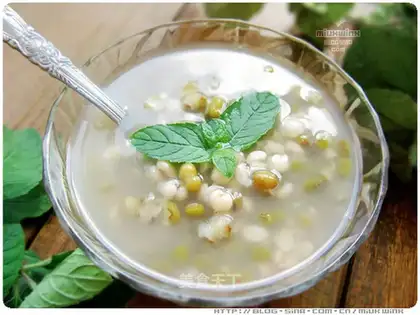 Rice green bean soup
 Celery peanuts
 The veggies are fresh