Introduction: Eating beans is better than eating meat, especially when fresh beans are tender and fragrant, which is also the best time for their nutritional quality. Besides being the leader in protein among vegetables, fresh beans are also rich in various vitamins, minerals, and dietary fiber, making them a low-fat, high-nutrient ingredient.
Peas are great for eye health.
Hao Mengzhong, a standing committee member of the Jilin Provincial Health Association: Peas are a seasonal vegetable, with round, fresh, and bright green grains, making them very attractive. Peas don't just win with their appearance; they are rich in vitamin A and have a therapeutic effect on protecting eyesight. Additionally, their vitamin C content is much higher than that of dried beans, making them delicious and helpful for improving immunity.
Office workers who stare at computers all day can have a protective eye-healthy meal by stir-frying peas, carrots, and corn together. It's not only colorful and delicious but also nutritious, and can effectively relieve dryness and discomfort in the eyes. Children and the elderly can also eat it, as it is nutritious and easy to digest. Additionally, I recommend a nutritious and healthy staple: braised peas with rice. Add washed peas to the rice when it's almost cooked, stir well, and continue cooking. After it's done, add shredded onions and cooked lean meat, cover, and simmer for a while longer. At this point, the grain protein from the rice, the bean protein from the peas, and the animal protein from the lean meat complement each other, providing comprehensive nutrition, suitable for office workers and students.
When buying peas, choose fresh, dark green, and shiny beans. Pinch them; tender ones will release water, while old ones will be hard.
Pea and Shrimp Stew
Fava Bean Soup is Fresh and Fragrant.
Chen Yanli, Deputy Director of the Nutrition Department of the Navy General Hospital: Fava beans are sweet in taste and neutral in nature, strengthening the spleen and nourishing the stomach. They are also rich in zinc, phospholipids, and choline, which have a brain-boosting effect and are especially suitable for people with mental work.
Fava beans should not be eaten raw. They can be stir-fried or made into congee, but I prefer to make soup with them. I recommend a fava bean, vermicelli, and egg soup. Heat oil in a hot wok, add minced ginger when the oil is hot, then add washed fava beans and stir-fry until they change color and become fragrant. Add an appropriate amount of water, bring to a boil, and then add soaked vermicelli. When the fava beans and vermicelli are both cooked until tender, pour in the beaten egg. Before serving, add a little salt. I also like to add a little white pepper and chopped green onions for extra flavor.
When purchasing, choose large, plump beans that are not blackened or insect-infested to ensure they are fresh and tender. When cooking fava beans at home, be sure to cook them thoroughly to prevent food poisoning. Also, don't eat too much at once, as it can easily cause bloating. Note that some people are allergic to fava beans, which can cause favism (acute hemolytic disease), and these individuals must avoid eating them.
Corn, Fava Bean, and Pork Rib Soup
Snow Pea Salad is Refreshing.
Chen Zhikun, a Senior National Chef and Level II Public Nutritionist: The tender, juicy pods of snow peas are my favorite, and the snow peas in spring and summer are particularly crisp and fresh.
Different from peas and fava beans, we mainly eat the pods of snow peas. The B vitamins and vitamin C in the pods are water-soluble vitamins, which are easily lost during high-temperature cooking. Therefore, I recommend a snow pea salad. Wash the snow peas, cut them into sections, blanch them quickly, and then mix them with red and green sweet peppers and your favorite fruits to make a fruit and vegetable salad. It's colorful, refreshing to eat, and has the effects of reducing internal heat, replenishing water, and improving skin beauty.
In addition to being rich in vitamins, snow peas are also rich in dietary fiber, which can lower cholesterol, promote intestinal peristalsis, and help with bowel regularity. When buying snow peas, choose those with a deep color and a shiny surface, and pinch the pods to see if the beans inside are of uniform size. Snow peas are not suitable for long-term storage and are best bought and eaten fresh.
Sliced Pork Stir-fried with Snow Peas
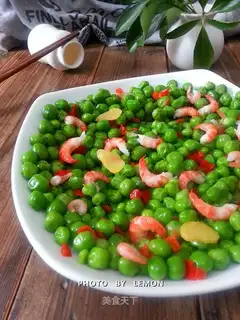 Peas and shrimp
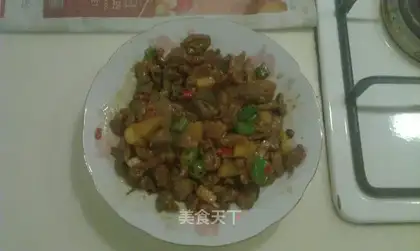 Sour chili and chicken
 Black sesame paste