Introduction: We all know that mung bean soup is an excellent summer remedy for heat relief. However, mung beans are inherently cold and dry, and consuming too much is not good! So, what can temper the cold nature of mung beans? Today, the editor recommends a pairing of mung beans and pumpkin!
Mung beans are cold and dry, while pumpkin is warm. The combination uses the warmth of pumpkin to balance the coolness of the mung beans, which is beneficial to health and helps prevent the cold nature of mung beans from damaging the spleen and stomach.
Mung Bean and Pumpkin Soup
Ingredients: 20g mung beans, 50g pumpkin, 15g rock sugar, 500ml water
Instructions:
1. Wash the mung beans and soak for 1 hour;
2. Wash the pumpkin, peel it, and cut into small pieces;
3. Add water and mung beans to a pot, bring to a boil over high heat, then simmer for another 20 minutes;
4. Finally, add the pumpkin and rock sugar, cook over medium heat for 15 minutes, and it's done.
Pumpkin Mung Bean Paste with Coconut Cookies
According to Traditional Chinese Medicine, mung beans are cold and sweet, known for clearing heat, relieving summer heat, eliminating vexation, quenching thirst, and promoting urination. Therefore, they are often used in summer to make cold soups to treat conditions like summer heat vexation, thirst, and dark urine, as recorded in the "Jingyue Quanshu". Furthermore, mung beans are rich in protein, fat, carbohydrates, carotene, various vitamins, and elements like calcium, phosphorus, and iron, making them highly nutritious. They also offer good auxiliary therapeutic effects for hypertension, arteriosclerosis, diabetes, and nephritis.
Pumpkin, on the other hand, is warm and sweet in nature, and it affects the spleen and stomach meridians. It has the effects of moistening the lungs and replenishing qi, resolving phlegm and expelling pus, expelling parasites and detoxifying, treating lung abscesses and constipation, nourishing hair follicles, and providing beauty benefits for acne. Eating pumpkin can also aid digestion and protect the gastric mucosa. The pectin in pumpkin can protect the gastric mucosa from irritation by coarse foods and promote ulcer healing. The components in pumpkin can also promote bile secretion, enhance gastrointestinal motility, and help with food digestion. Additionally, pumpkin can play a role in eliminating carcinogens and preventing cancer.
Mung Bean and Coix Seed Soup
The main reason for pairing pumpkin with mung beans is that mung beans are cold in nature, while pumpkin is warm. This way, the pumpkin can temper the coolness of the mung beans. In this combination, the soup offers the heat-clearing properties of mung beans, while the gentle pumpkin nourishes the spleen and stomach, reducing the stimulating effect of the mung beans' cold nature on the body and avoiding harming the body from excessive cold intake.
Rice and Mung Bean Congee
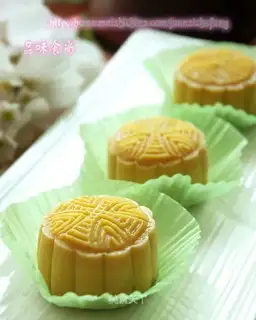 Pumpkin green bean cocoons
 Homemade yogurt
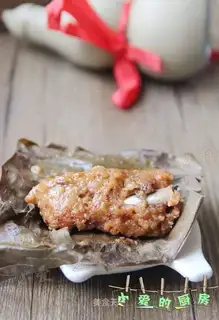 Favage varnish