Introduction: People with excessive internal dampness are often those who have a greasy diet and lack exercise. At the same time, they often feel heavy-bodied and weak-limbed due to the dampness, creating a vicious cycle. The less they exercise, the more dampness accumulates in the body. Over time, this will inevitably lead to dampness attacking the spleen, causing a series of serious illnesses. Below are 8 recommended foods to expel internal dampness.
1. White Hyacinth Bean
The top recommendation is the large white hyacinth bean, known as the "longevity bean." White hyacinth bean is slightly warm in nature and sweet in taste. It is rich in nutrients: in addition to carbohydrates, every 100 grams contains 28 grams of protein, 116 milligrams of calcium, and many other nutrients. It functions to harmonize the stomach, transform dampness, strengthen the spleen, promote urination, and stop diarrhea. It is mainly used for spleen deficiency causing diarrhea, nausea and vomiting, poor appetite, and red and white vaginal discharge. The spleen-strengthening and dampness-removing effect of white hyacinth bean is extremely ideal, but it is not easy to cook. You can use a pressure cooker, and soaking it in advance will make it softer and easier to cook.
2. Job's Tears
Job's tears has the effects of promoting urination to reduce swelling, strengthening the spleen to remove dampness, relaxing muscles and expelling numbness, and clearing heat to discharge pus. It is a commonly used diuretic and dampness-draining herb. Good quality Job's tears has a medicinal smell, without any musty odor or mold. Job's tears can be cooked into a congee with red beans, just Job's tears and red beans without adding rice. Drink the water and eat the beans; long-term persistence will be effective. Furthermore, you can wash the Job's tears, let it dry, and then stir-fry it in a dry wok, just like stir-frying sesame seeds until it's done. Eating Job's tears alone or grinding it into powder with a blender and drinking it like sesame paste is even more effective than making congee.
Winter Melon and Job's Tears Soup
3. Corn Silk and Leaves
Boil clean corn silk and corn leaves together in water for a long time, then just drink the water. However, it is best not to drink it before bedtime, because its diuretic effect can easily cause the dampness to re-accumulate in the body while sleeping, leading to the dampness not being removed and instead becoming more severe. When corn is harvested in autumn, you can collect more silks and leaves, dry them, and they can be used for a whole year, so you won't have trouble getting them when corn is out of season.
4. Chinese Yam
Chinese yam does not have the direct effect of removing dampness, but it can tonify the spleen, which in turn can indirectly allow the body to expel dampness. Chinese yam can be stir-fried, used in stews, or made into snacks. It can also be steamed and dipped in sugar. The "iron棍" (iron-rod) variety of Chinese yam is better, as it is both medicinal and edible, has a better effect on spleen tonification, and can also replenish Qi, making it superior to common household yams.
5. Red Bean
Red beans can nourish blood and also remove dampness. From a Traditional Chinese Medicine perspective, red beans are neutral in nature and sweet and sour in taste, with the effects of strengthening the spleen to promote urination, clearing heat to remove dampness, and reducing swelling and detoxification. Drinking water boiled with red beans, or adding black beans and mung beans to boil together, can effectively expel dampness from the body. Red beans can also be used to make bean paste, congee, or desserts, but be careful not to buy "chidou" (red cowpea), which is a medicinal herb that can be toxic if eaten in large quantities. It is often confused with red beans.
Red Bean and Job's Tears Congee
6. Mung Bean Sprout
The nutritional value of mung bean sprouts is also no less impressive. They not only contain protein, carotene, calcium, phosphorus, iron, and other minerals, but are also rich in vitamins, especially vitamin C.
Although both mung bean sprouts and soybean sprouts are cold in nature and sweet in taste, their functions are different. Mung bean sprouts have the effects of clearing heat, detoxifying, promoting urination, and removing dampness. They are suitable for people who have excessive alcohol consumption, damp-heat retention, dry mouth and thirst, dark and hot urine, constipation, red and swollen eyes, etc. Soybean sprouts have the effects of clearing heat, detoxifying, lowering blood pressure, and beautifying the skin.
7. Daylily
Daylily is the flower bud of a perennial herb. It is fresh, tender, and nutritious, rich in essential nutrients for the human body such as pollen, sugar, protein, vitamin C, calcium, fat, carotene, and amino acids. Its carotene content is even several times higher than that of tomatoes. It has functions such as clearing heat, promoting urination, diuresis, strengthening the stomach to aid digestion, improving eyesight, calming the mind, stopping bleeding, promoting lactation, and reducing swelling.
8. Chili Pepper
Chili peppers are highly nutritious, rich in carotene, protein, fat, vitamin C, and calcium, phosphorus, iron, etc. In addition, chili peppers contain a substance called capsaicin, which can speed up the heart rate, dilate pores, dilate and thicken skin capillaries, and direct blood flow to the body surface, making the whole body feel warm.
For those with heavy body dampness, it's a good idea to eat more chili peppers. This not only supplements vitamin C but also removes dampness, killing two birds with one stone. It's best to eat a less spicy variety, otherwise, you might get "heatiness" (上火), which can be troublesome. Green peppers or common red peppers are fine, but don't eat chili sauce, as it often contains other ingredients to enhance the spiciness.
Sour Plum Chili Sauce
 Silver eardrum
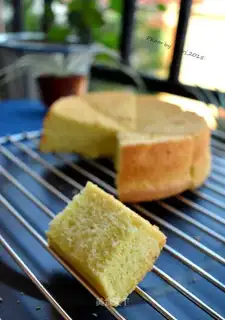 Lemon chili cake
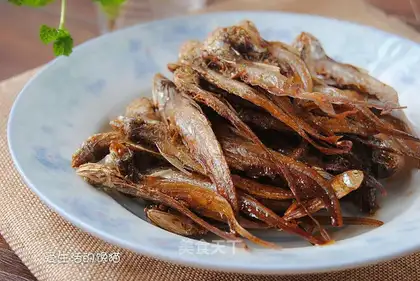 A fragrance of silver fish