Introduction: Blood is the source that nourishes the body, flowing through all tissues and organs. However, as we age, some "junk" can appear in the blood. If it is not "cleaned" in time, it can lead to impure, thick, and poorly circulating blood, thereby affecting health. At this point, you can use some "scavengers" from the dining table to help the body clean blood waste and give your body a major cleanup. Below are 10 recommended foods to clean up blood "junk".
1. Buckwheat
Buckwheat has a delicate and fragrant flavor and is very popular in Northeast, North, Northwest, and Southwest China, as well as in Japan, Korea, and the former Soviet Union. Not only that, but buckwheat's nutrition is also quite well-balanced. Its unique lysine, tryptophan, and methionine are amino acids essential for blood health, making it a true "perfect food." In addition, buckwheat also contains vitamin B1, which is necessary for blood circulation, vitamin B2 and choline that promote metabolism, and substances like niacin. These nutrients can improve hyperlipidemia, purify the blood, and strengthen blood vessels.
Buckwheat rice has a relatively coarse texture and is best not eaten alone. When paired with rice, it can mitigate the coarse texture. More importantly, buckwheat is low in lysine while rice is high in lysine; the combination of the two achieves a nutritional complement. Additionally, buckwheat should not be consumed in large quantities at once, as it can easily cause indigestion.
Egg Noodles with Shredded Egg, Greens, and Buckwheat
2. Onion
Onion is a very common and inexpensive home-cooked dish. Its flesh is tender, juicy, and mildly pungent, with excellent quality suitable for eating raw. It has high nutritional value and is hailed as the "queen of vegetables" abroad.
Onion is the only known vegetable that contains prostaglandin A. Prostaglandin A can dilate blood vessels and reduce blood viscosity, thereby lowering blood pressure, increasing coronary blood flow, and preventing thrombosis. The quercetin in onions is highly bioavailable. Scientific research reports suggest that quercetin may help prevent the oxidation of low-density lipoprotein (LDL) and provide important protection against atherosclerosis.
Broccoli, Onion, and Beef Short Ribs
3. Cabbage
Cabbage can be considered an absolute hero for blood health. Besides containing vitamin C, potassium, calcium, and dietary fiber, it also has isothiocyanates with strong antioxidant activity, as well as rare vitamins U and K, which help protect the vascular mucosa, accelerate blood circulation, and make blood vessels stronger and more elastic. Cabbage also contains a certain ulcer-healing factor, which has a good therapeutic effect on ulcers and can accelerate wound healing, making it an effective food for patients with gastric ulcers. Eating more cabbage can also increase appetite, promote digestion, and prevent constipation.
Moreover, cabbage and other cruciferous vegetables contain small amounts of goitrogenic substances that can interfere with the thyroid's use of iodine. When the body compensates, the thyroid enlarges, forming a goiter. The goitrogenic effect of cabbage can be eliminated by a large intake of dietary iodine, such as supplementing with iodized salt, sea fish, seaweed, and other seafood products.
Golden Pickled Cabbage
4. Pu-erh Tea
Pu-erh tea has a mild nature and relatively less stimulation to the spleen and stomach. It contains many healthy components such as tea polyphenols. Research has found that Pu-erh tea has a significant inhibitory effect on enzymes related to diabetes, helping to stabilize blood sugar. Not only that, but for young children, Pu-erh tea can help with digestion and absorption and promote physical growth. The fluoride in tea can prevent cavities, and Pu-erh tea can also regulate the nervous system, helping children improve their concentration.
Furthermore, Pu-erh tea itself contains lipase, which breaks down fat. This lipase has a good effect on fat breakdown and can aid in the digestion and consumption of fat for many people trying to lose belly fat. Additionally, Pu-erh tea can also beautify the skin and protect the stomach.
Pu-erh Tea Braised Chicken Feet
5. Black Soybean
Black soybeans are rich in nutrients, containing protein, fat, vitamins, trace elements, and other nutritional components. They also have various bioactive substances, such as black soybean pigment, black soybean polysaccharide, and isoflavones. Black soybeans are rich in anthocyanins, which can remove free radicals from the body, lower cholesterol, and promote blood circulation. In addition, anthocyanins also have the effect of protecting the eyes. According to a study by Chinese scientists, black soybean skin extract can improve the body's absorption of iron, and eating black soybeans with the skin on can improve anemia symptoms.
Snow Pear and Black Soybean Porridge
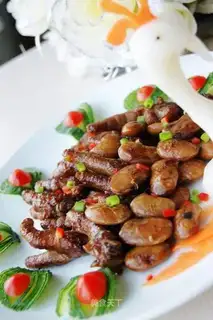 Braised chicken feet with Pu 'er tea
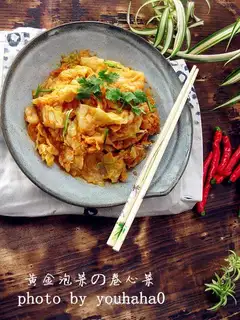 Gold pickles
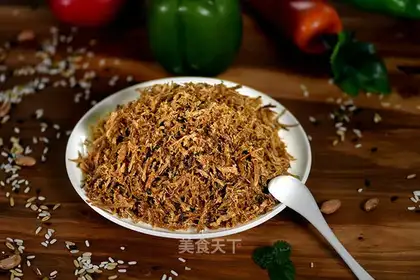 Meat pine
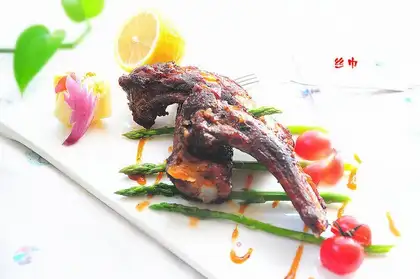 Chicago black pepper steak
 Mocked eggs