Introduction: This is the season between spring and summer, and recently, there has been a significant increase in cases of colds and fevers. Currently, 90% of cold patients have viral colds, while only 10% have influenza. As the weather warms, various bacteria and viruses in the air become more active, and the unstable weather changes provide favorable conditions for colds. Here are 10 recommended foods to prevent colds.
1. Garlic
Garlic is the strongest natural antibacterial plant discovered so far. The allicin it contains has anti-inflammatory effects and can inhibit and kill many bacteria and viruses. Adding a few slices of garlic when cooking is a simple way to prevent colds. If you already have a cold or fever, eating a few cloves of garlic can relieve symptoms such as cough, sore throat, and nasal congestion. For those who catch colds easily during the spring-summer transition, eating some garlic is a good idea, but it should be noted that although garlic has many benefits, don't overeat it. Three to four cloves are appropriate, as excessive consumption can easily cause internal heat and irritate the gastrointestinal tract.
Roasted Garlic with Black Pepper
2. Green Tea
Green tea not only refreshes the mind, protects teeth, and improves eyesight, but the antioxidants it contains also help enhance the body's immune function and resist the invasion of viruses and bacteria. A new study published in the "Journal of the American College of Nutrition" showed that after participants took a special green tea capsule, their chances of getting a common cold or flu were reduced by 23%, and the duration of the illness was shortened by 36%. The participants' bodies also produced more immune cells that can fight bacteria and viruses. During the season when new tea is available, we might as well brew a cup every day, which will play a good role in preventing colds.
Homemade Green Tea Powder
3. Chicken Soup
Chicken soup, especially old hen soup, has always been famous for its deliciousness, and its "tonifying deficiency" effect is also well-known. Chicken soup can also help relieve cold symptoms and improve the body's immune function. Drinking more chicken soup during the season of alternating weather and large temperature fluctuations can improve the immune function of healthy people. People who have a cold can drink some chicken soup to reduce mucus secretions and the frequency of coughing in the respiratory tract, alleviating the discomfort caused by the cold. The nutrients in the broth can help patients maintain the energy their bodies need and help alleviate drowsiness symptoms.
However, it should be noted that most of the nutrients in chicken are protein and fat, and eating too much can lead to obesity. Chicken lacks calcium, iron, carotene, thiamine, riboflavin, niacin, and various vitamins and crude fiber, and long-term consumption can easily lead to sub-health.
Chicken Soup with Black Mushrooms
4. Honey
Honey is a naturally nourishing food rich in nutrients and one of the most commonly used tonics. According to analysis, it contains various inorganic salts and vitamins similar to the concentration of human serum, as well as iron, calcium, copper, manganese, potassium, phosphorus and other organic acids and trace elements beneficial to human health, as well as fructose, glucose, amylase, oxidase, reductase, etc. It has the effects of nourishing, moisturizing, detoxifying, whitening and beautifying, and moistening the intestines to relieve constipation. It has a good therapeutic effect on cough in children and adolescents. According to the latest research, honey can adhere to the throat, reduce cough caused by throat irritation, and improve sleep quality. When you have a persistent cough due to a cold, drinking a glass of honey water is a good choice. However, it should be noted that diabetics and those with poor gastrointestinal digestion should eat less.
Honey Bread Rolls
5. Chili Peppers
Eating chili peppers can stimulate people's appetite, promote gastrointestinal peristalsis, increase the activity of amylase, and at the same time accelerate blood circulation and metabolism. It has the function of dispelling wind and cold, and clearing the lungs. When you have a severe nasal congestion due to a cold, you can add some dried peppers when cooking. The capsaicin in it can reduce the viscosity of nasal mucus secretions, making it easier for nasal mucus to flow out, and it can also remove bacteria from the nasal cavity.
Although chili peppers are rich in nutrition and have important medicinal value, excessive consumption can harm human health. Studies have shown that foods and spicy condiments containing irritating ingredients such as chili, green onions, ginger, garlic, curry, mustard, and pepper, as well as vegetables with high volatile oil content such as leeks, celery, and small red radishes, are often excreted through the kidneys during the human metabolic process. These spicy ingredients have varying degrees of irritation to the kidneys, which can seriously affect kidney function in severe cases. Therefore, patients with kidney disease should not eat them.
Sour Plum Chili Sauce
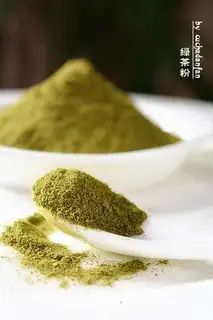 Homemade green tea powder
 A fruit plate
 A fragrance of silver fish
 Bean-silver pack
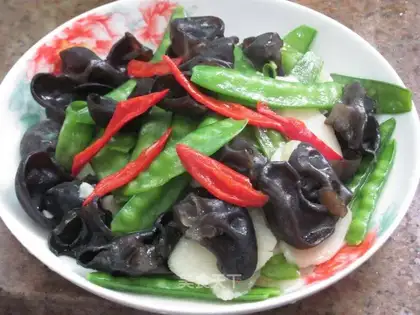 Susuki