In daily life, we need to promptly eliminate harmful substances from our body, maintain a clean intestinal environment, and often give our body a "thorough cleaning" to better ensure our health. At this time, eating the following 7 types of convenient and safe detoxifying foods is a good choice. They can help us easily "protect the intestines and detoxify," restoring your health and beauty.
1. Kelp: The "Accelerator" for Intestinal Peristalsis
Kelp can effectively prevent and treat endemic goiter and has preventive and auxiliary therapeutic effects on hypertension, arteriosclerosis, and hyperlipidemia. In terms of detoxification, kelp is the "accelerator" for intestinal peristalsis. Kelp is alkaline and can promote the metabolism of triglycerides in the blood, helping to moisten the intestines and relieve constipation. Moreover, it is low in calories and rich in dietary fiber, which can accelerate intestinal movement. The best way to eat kelp is by steaming, which does not destroy the minerals in kelp and can effectively increase intestinal peristalsis.
2. Spinach: The "Cleaner" for Intestinal Heat Toxins
Spinach can clear heat toxins from the human digestive tract, prevent constipation, and make people radiant, earning it the reputation of being the "cleaner" for intestinal heat toxins. Spinach leaves contain an insulin-like substance that can stabilize blood sugar; spinach is rich in various vitamins and can prevent and treat cheilitis and night blindness; spinach also contains a large amount of antioxidants, which have anti-aging and cell proliferation effects. It can not only activate brain function but also enhance youthful vitality and prevent brain aging. There are many ways to eat spinach. In spring and summer, after washing and blanching the spinach in boiling water, it is often served as a cold salad with seasonings, and the therapeutic effect of spinach with dried tofu is particularly good.
Spinach and Shrimp Meat Balls
3. Brown Rice: The "Plumber" for Intestinal Dredging
Compared to white rice, brown rice is much richer in vitamins, minerals, and dietary fiber, so it has always been a healthy food. Brown rice is rich in B vitamins and vitamin E, which can promote blood circulation and continuously supply energy to the intestines. It can also promote the proliferation of beneficial intestinal bacteria and prevent constipation and colon cancer, earning it the reputation of being the "plumber" for intestinal dredging. How to eat: Simply cook brown rice into a porridge.
4. Honey: The "Beauty Tonic" for the Gastrointestinal Tract
The amino acids and vitamins in honey can promote a healthy body cycle; the nutritional elements such as magnesium, phosphorus, and calcium in honey can regulate the nervous system and provide a good resting environment for the intestines, making the intestines "happy and healthy," earning it the reputation of being the "beauty tonic" for the gastrointestinal tract. A spoonful of honey in water can achieve the effect of moisturizing the intestines and beautifying the skin.
5. Yogurt: The "Additive" for Intestinal Motility
The lactic acid bacteria in yogurt can maintain the ecological balance of the intestinal flora, form a biological barrier, and inhibit the invasion of harmful bacteria into the intestines; lactic acid bacteria also produce a large amount of short-chain fatty acids to promote intestinal peristalsis, thus preventing constipation, earning it the reputation of being the "additive" for intestinal motility; the various enzymes in yogurt can also help the human body better digest and absorb the nutrients in milk. Drinking a cup of yogurt between meals can balance the intestinal flora and promote intestinal digestion and decomposition.
Oreo Blueberry Yogurt
6. Aloe Vera: The "Booster" for Intestinal Excretion
As the saying goes, "A glass of aloe vera in the morning is as precious as gold." Aloe vera has a unique personality that can both detoxify and tonify. It contains various plant active ingredients, amino acids, vitamins, polysaccharides, and minerals. Among them, aloe vera can strongly stimulate small intestinal peristalsis, expel intestinal toxins, and is excellent for clearing intestinal toxins. It is mainly used for treating intestinal heat constipation, earning it the reputation of being the "booster" for intestinal excretion; at the same time, it also has the effect of clearing toxins from the liver and blood vessels. Aloe vera can be used as medicine, but only in pills, powders, or ground into a paste for external application or applied after being soaked in vinegar or wine. It is not used in decoctions. For consumption, it can be made into a refreshing dish with tomato cubes mixed with aloe vera, or aloe vera juice stewed with bird's nest.
7. Peanuts: The "Catalyst" for Intestinal Strengthening
The nutritional value of peanuts is higher than that of grains, containing a large amount of protein and fat, especially unsaturated fatty acids. It can strengthen the intestines because peanuts enter the spleen meridian and have the effect of nourishing the stomach, awakening the spleen, and lubricating the intestines and relieving dryness. The unique substances in peanuts, such as phytic acid and plant sterols, increase the toughness of the intestines, earning it the reputation of being the "catalyst" for intestinal strengthening. Eating 5 to 6 peanuts daily can strengthen the intestines. Boiling peanuts in water does not destroy their nutrients and makes them easy to absorb.
Braised Pig's Trotters with Fermented Red Bean Curd Peanuts
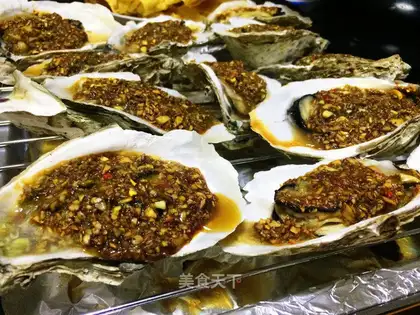 Garlic roasted oak
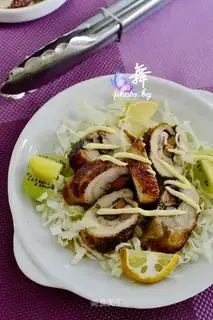 Vanilla chicken rolls
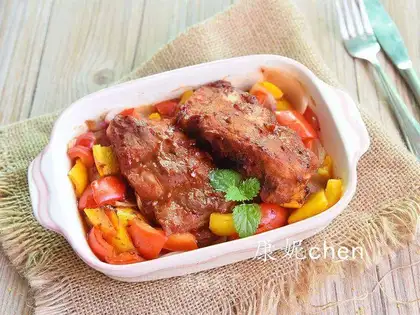 The fragrance ribs