The high temperatures during the Minor Heat solar term can make one irritable and restless, leading to a poor appetite and sleeplessness, which in turn can weaken the body over time. Therefore, health preservation during Minor Heat should focus on preventing heatstroke and cooling the body, and properly regulating one's physical condition. Minor Heat marks the beginning of high summer, so it is essential to pay attention to health and wellness. A good place to start is with diet. So, what should one eat during the Minor Heat solar term? Here are 10 foods most suitable for health preservation during this period.
1. River Clams
River clams are cooling and nourishing to the yin, making them suitable for those with yin deficiency and internal heat, such as those with thirst, dry mouth and tongue, or red eyes; they can also alleviate vexation and heat, making them suitable for those with hyperthyroidism. They are also good for thirst during the hot summer months and can help treat conditions like uterine bleeding, leukorrhea, hemorrhoids, red eyes, and eczema. Furthermore, they nourish the liver, cool the blood, calm wind, relieve alcohol intoxication, improve eyesight, and pacify agitation. As summer arrives, spending long hours in air-conditioned rooms can trigger "dry eye disease." Traditional Chinese medicine believes that clam meat has the effects of clearing heat and detoxifying, nourishing yin, and improving eyesight. River clams are rich in protein, fat, calcium, phosphorus, iron, and vitamins A, B1, and B2, offering health benefits for the human body.
There are many ways to prepare river clams, such as braising, stir-frying, or stewing. Boiled river clams are a delicacy enjoyed by many. It should be noted, however, that river clams are cold in nature, so they are not suitable for people with a weak spleen and stomach or who suffer from diarrhea.
Braised River Clams with Soy Sauce Pork
2. Lychee
The flesh of lychees is rich in glucose and sucrose, with a total sugar content of over 70%, ranking it among the highest of various fruits. It has the effect of replenishing energy and increasing nutrition. Research has shown that lychees can nourish brain tissue and significantly improve symptoms like insomnia, forgetfulness, and mental fatigue. Lychee flesh is rich in vitamin C and protein, which helps enhance the body's immune function and improve disease resistance.
Drinking salt water, a cooling tea of Prunella, or winter melon soup, mung bean soup, etc., before eating lychees can help prevent "heatiness." Alternatively, drinking more salt water while eating lychees can also prevent lychee-related ailments. You can also drink soup made with 20-30 grams of raw Rehmannia root with lean pork or pork bones, or boil it with honey dates, all of which can help prevent lychee sickness.
Steamed Glutinous Rice with Lychees
3. Ricefield Eel
Ricefield eel has a delicate texture, delicious taste, and high nutritional value. According to analysis, every 100 grams of ricefield eel contains 18.8 grams of protein, 0.9 grams of fat, 38 milligrams of calcium, 150 milligrams of phosphorus, 1.6 milligrams of iron, 0.02 milligrams of thiamine, 0.95 milligrams of riboflavin, and 3.1 milligrams of niacin. Because of this, there is a folk saying that "ricefield eel during Minor Heat is better than ginseng." It is most nourishing during this period. Traditional Chinese medicine considers ricefield eel to be warm in nature and sweet in taste, with effects such as tonifying the middle and qi, nourishing the liver and spleen, expelling wind-dampness, and strengthening muscles and bones. Eating ricefield eel during Minor Heat can prevent diarrhea caused by poor digestion of summer foods and also protect the cardiovascular system.
However, it should be noted that many people enjoy the crisp and tender texture of eel and only stir-fry it briefly in a wok. While this method is delicious, it is not beneficial to one's health.
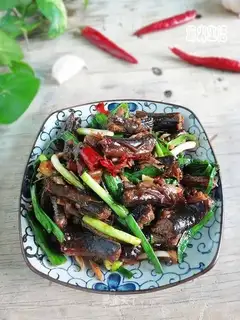
Stir-fried Ricefield Eel with Garlic Stems
4. Red Beans
Red beans are slightly cool in nature, neutral in property, and sweet in taste. They contain protein, fat, carbohydrates, B vitamins, potassium, iron, phosphorus, and more. Red beans can promote the health of the cardiovascular system and have a diuretic effect. People who often feel cold, have low blood pressure, or are easily fatigued can improve these conditions by regularly eating red beans. Additionally, red beans have the effects of strengthening the stomach, promoting the production of body fluids, expelling dampness, and replenishing qi, making them an excellent medicinal and health food.
During Minor Heat, the focus is on nourishing the heart. Red beans have the effect of clearing the heart and calming the mind, strengthening the spleen, and benefiting the kidneys. Adding lotus seeds and lilies can further solidify essence and qi, stop bleeding, and strengthen muscles and bones. They can also treat lung dryness and dry cough, enhance the vitality of internal organs, and boost physical strength. Health preservation is also an important part of skincare; external care combined with internal nourishment is what creates a radiant woman.
Red Bean Soup with Dried Tangerine Peel
5. Ginger
There is a saying, "Eat radishes in winter and ginger in summer," and "Three slices of ginger in the morning are better than drinking ginseng soup." After Minor Heat, as high summer arrives, many people lose their appetite. Ginger aids in the digestion and absorption of food and is beneficial for preventing heatstroke and getting through the summer. People tend to seek coolness in summer, enjoying electric fans and air conditioning, which can easily lead to colds and flu. At this time, drinking ginger and sugar water in a timely manner can help expel wind and cold from the body.
Moreover, ginger contains pungent and aromatic components, including gingerone, gingerol, starch, and fiber. For wind-cold colds, it can induce sweating to expel the pathogenic cold from the body's surface. Gingerol stimulates the oral and gastric mucosa, promoting the secretion of digestive juices, increasing appetite, and enhancing intestinal tension, rhythm, and peristalsis. Gingerone has an excitatory effect on the respiratory and vasomotor centers, promoting blood circulation.
Stir-fried Chicken Gizzards with Young Ginger
 I don't know
 Soup
Soup Antler
 Lobster congee
 Spam
Spam