Secondhand smoke, air pollution, fume-filled environments... they are constantly harming our lungs. Eat more of the following 10 natural "lung-protecting" and "lung-cleansing" ingredients in your daily life to take good care of your lungs.
1. Lily Bulb
Lily bulbs are nutritious. In addition to containing 21.29% protein, 12.43% fat, 11.47% reducing sugar, 1.61% starch, as well as nutrients like calcium, phosphorus, iron, 1.443 mg of vitamin B, and 21.2 mg of vitamin C per 100 grams, they also contain special nutrients such as various alkaloids like colchicine. The combined effect of these components on the human body not only provides excellent nutritional benefits but also helps prevent and treat various seasonal diseases caused by the dry autumn climate. In Traditional Chinese Medicine, fresh lily bulbs are said to nourish the heart, calm the mind, moisten the lungs, and relieve coughs, making them very beneficial for people recovering from illness. It's best to use fresh lily bulbs for a better lung-cleansing effect; it is recommended to cook them with tremella into a porridge.
Lily Bulb and Tremella Porridge
2. Wood Ear Mushroom
Black fungus is a famous mountain delicacy that is edible, medicinal, and nourishing. It has long been a favorite on the tables of Chinese people, earning the reputation of "the meat among vegetables" and is known worldwide as "the black treasure of Chinese cuisine." Moreover, black fungus is nutritious and hailed as "the king of mushrooms." Every 100 grams of dried black fungus contains 9.4 grams of protein, 65.5 grams of carbohydrates, 357 mg of calcium, 201 mg of phosphorus, and 185 mg of iron.
Not only that, but black fungus also helps the digestive system dissolve indigestible foreign substances, effectively preventing iron-deficiency anemia, thrombosis, arteriosclerosis, and coronary heart disease. It also has anti-cancer properties. Black fungus powder has a pharmacological effect in treating festering sores and uterine bleeding. Furthermore, black fungus is rich in natural plant glue, which has the effect of nourishing yin to moisten the lungs and benefiting the stomach to promote body fluids. It is suitable for symptoms such as lung heat cough, dry cough due to lung dryness, blood in phlegm, and a dry throat.
Yacon Stir-fried with Black Fungus
3. Mint
Mint has both medicinal and culinary uses. The main edible parts are the stems and leaves, which can also be juiced and consumed. In cooking, mint can be used as a seasoning, a spice, or paired with alcohol or brewed into tea. Every 100 grams of dried mint contains 9.6 grams of water, 6.8 grams of protein, and 31.1 grams of fiber, providing 870.7 kilojoules of energy.
In Traditional Chinese Medicine, mint is considered a pungent and cool herb that induces sweating to relieve fever. It is used to treat influenza, headaches, red eyes, fever, sore throat, and swollen gums. Externally, it can be used for neuralgia, skin itching, rashes, and eczema. Mint picked from a sunlit greenhouse is a fresh vegetable for the Spring Festival table, refreshing and delicious. Drinking mint tea as a substitute for regular tea can clear the mind and brighten the eyes. It is very beneficial for respiratory diseases such as coughs, colds, and throat infections. Whether you brew mint into tea or add it to dishes, it has a lung-cleansing effect.
Mint Pineapple
4. Green Tea
Green tea is made from unfermented tea leaves, retaining the natural substances of the fresh leaves. It contains relatively high levels of nutritional components such as tea polyphenols, catechins, chlorophyll, caffeine, amino acids, and vitamins. These natural ingredients in green tea have special effects in preventing aging, cancer, and possess antibacterial and anti-inflammatory properties that are unmatched by other types of tea. The American Cancer Society found that people who drink more than 5 cups of green tea a day can reduce their risk of lung cancer.
Green tea also has beauty benefits. The main component responsible for its skincare and beauty effects is a substance called tea polyphenols. This substance has antioxidant effects and, when combined with vitamins B and E, can help moisturize and firm the skin.
Homemade Green Tea Powder
5. Carrot
Carrots are a crisp, delicious, and nutritious common vegetable, known as "little ginseng." Carrots are rich in carbohydrates, fat, volatile oils, carotene, vitamin A, vitamin B1, vitamin B2, anthocyanins, calcium, iron, and other nutrients. Moreover, the folic acid in carrots can reduce the risk factors for coronary heart disease. Drinking carrot juice has a significant blood pressure-lowering effect for people with hypertension. Groups that eat more carrots have almost 50% fewer heart cases compared to those who eat fewer. Carrots also have anti-cancer properties. The U.S. National Cancer Institute suggests that foods rich in beta-carotene can prevent lung cancer, such as carrots, which can also alleviate the symptoms of bronchitis and asthma.
Carrot and Two-Grain Porridge
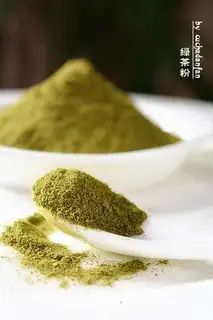 Homemade green tea powder
 The raisin soup
 Blueberry rolls
 oatmeal fried bananas
 Italy Noodles