Modern women who engage in mental work and lead sedentary lifestyles are prone to poor circulation of Qi and blood in the body, which can lead to a blood stasis constitution. Women with a blood stasis constitution often have rough skin, a dull complexion, and are susceptible to hyperpigmentation and the appearance of age spots. Below, we recommend 10 types of food with the effect of activating blood and resolving stasis, helping you to improve your body's blood stasis condition through diet.
1. Black Fungus
Black fungus is a plant of the Auriculariaceae family. It is neutral in nature and sweet in taste, and affects the Stomach and Large Intestine meridians. It has the effects of nourishing, moistening, nourishing blood and benefiting the stomach, activating blood to stop bleeding, moistening the lungs, and lubricating the intestines. Black fungus also functions to tonify Qi, strengthen the body, nourish the kidneys and stomach, and activate blood. It can resist thrombosis, lower blood lipids, and inhibit lipid peroxidation, thereby reducing blood viscosity, softening blood vessels, ensuring smooth blood flow, and reducing the occurrence of blood stasis. The strong adsorption properties of black fungus help to expel metabolic waste from the body in a timely manner.
There are many ways to eat black fungus. It is often used as an ingredient in various famous Chinese and Western dishes, or stewed with red dates and lotus seeds and sugar to make a delicious dessert suitable for all seasons. It is not only crisp, fresh, smooth, and refreshing to the throat, but also has the effect of increasing appetite and nourishing the body.
Chopped Chili with Black Fungus
2. Hawthorn
In Traditional Chinese Medicine, hawthorn is considered sour, sweet, and slightly warm in nature, and it affects the Spleen, Stomach, and Liver meridians. The "Shi Jian Ben Cao" (A Herbal Classic for Food) states that it can "resolve blood clots, resolve qi clumps, and activate blood." Hawthorn also has the effects of aiding digestion, strengthening the stomach, promoting qi circulation, activating blood, and resolving stasis. The flavonoids it contains can dilate peripheral blood vessels, have a slow and sustained antihypertensive effect, and can also dilate the coronary arteries, lower lipids, and strengthen the heart.
Research indicates that the digestive and stomach-strengthening effects of hawthorn are mainly related to its pharmacological actions such as aiding digestion and inhibiting bacteria, providing a pharmacological basis for its treatment of indigestion from meat intake, fullness in the epigastrium, and abdominal pain and diarrhea from dysentery. The effect of promoting qi circulation and resolving stasis is also mainly related to its pharmacological actions such as lowering blood lipids, resisting atherosclerosis, and resisting myocardial ischemia. The active components of hawthorn, organic acids and hawthorn flavonoids, are the important material basis for its pharmacological effects.
Old Beijing Hawthorn Cake
3. Tomato
The tomato fruit is rich in nutrients and has a special flavor. It can be eaten raw, cooked, or processed into tomato sauce, juice, or canned whole tomatoes. The main nutrients in tomatoes are vitamins, the most important and abundant of which is lycopene, a type of carotene. Scientists have made many new breakthroughs in the study of the health effects of lycopene. Its proven effects include: unique antioxidant capacity to free radicals in the human body that cause aging and disease; prevention of cardiovascular diseases; and stopping the carcinogenic process of the prostate, and effectively reducing the risk of developing pancreatic cancer, colorectal cancer, laryngeal cancer, oral cancer, and breast cancer.
Moreover, tomatoes contain multiple components that activate blood and resolve stasis. Pectin can lower cholesterol; flavonoids have an anticoagulant effect; and the yellow gelatinous substance around the seeds contains tomato factor, which can prevent platelet aggregation, maintain the elasticity of blood vessel walls, prevent atherosclerosis, and improve blood circulation.
Scrambled Eggs with Tomatoes
4. Ginger
Ginger is pungent in taste and slightly warm in nature, and it affects the Spleen, Stomach, and Lung meridians. It has the effects of inducing sweat to release the exterior, warming the middle jiao to stop vomiting, warming the lungs to stop coughing, and detoxification. It is primarily indicated for external contraction of cold wind, cold-induced vomiting, wind-cold cough, abdominal pain and diarrhea, and poisoning from fish and crab. It also has the effect of stimulating the appetite.
Ginger contains pungent and aromatic components, including gingerone, gingerol, starch, and fiber. For wind-cold colds, it can induce sweat to expel the cold pathogen from the body's surface. Gingerol stimulates the oral and gastric mucosa, promoting the secretion of digestive juices and increasing appetite. It can also increase intestinal tension, rhythm, and peristalsis. Gingerone has an excitatory effect on the respiratory and vasomotor centers, promoting blood circulation.
Brown Sugar and Ginger Powder
5. Yellow Rice Wine
Yellow rice wine is sweet, bitter, pungent, and warm in nature, and it affects the Heart, Liver, Lung, and Stomach meridians. It has the effects of unblocking the blood vessels, expelling cold, and enhancing the effects of other herbs. The "Yi Lin Zuan Yao" (Essentials from the Medical Forest) says it "disperses water, harmonizes blood, moves qi, helps kidney yang, and induces sweat." The "Ben Cao Gang Mu" (Compendium of Materia Medica) states: "Old wine harmonizes blood and nourishes qi, warms the stomach and expels cold; Shaojiu (a type of distilled spirit) dispels cold, dampness, and phlegm, and opens stagnation."
Modern research shows that yellow rice wine contains 21 amino acids, including several unknown ones. It also contains all 8 essential amino acids that the human body cannot synthesize and must obtain from food, for which it is praised as "liquid cake." Although yellow rice wine has so many benefits, it is contraindicated for people with yin deficiency, blood loss, and severe damp-heat.
Braised Shrimp with Yellow Rice Wine
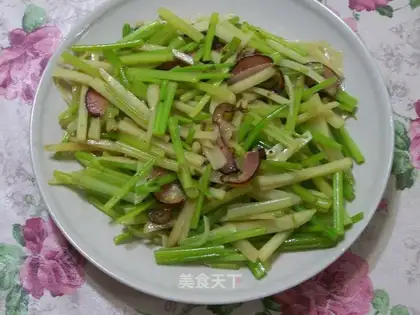 Potato celery
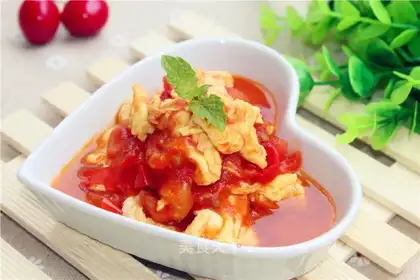 Tomato fried eggs
 Homemade fruit-pins
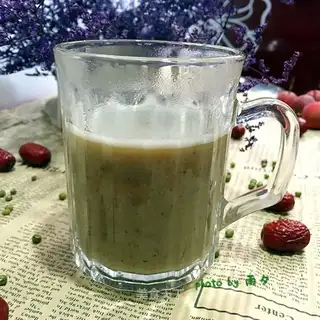 The green bean of red dates
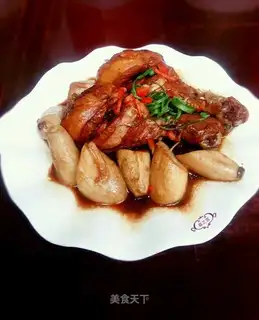 The apricot