Introduction: When it comes to food you love, it's easy to overindulge, which can lead to an upset stomach. Eating too much food makes digestion difficult. When your stomach is uncomfortable, does the workday feel especially long? Why not try these 10 recommended foods? They aid digestion and are very nutritious.
1. White Radish
White radish is a common vegetable that can be eaten raw or cooked, with a slightly spicy flavor. Modern research suggests that white radish contains mustard oil, amylase, and crude fiber, which can promote digestion, enhance appetite, speed up gastrointestinal motility, and help relieve coughs and resolve phlegm. It can be used to alleviate the nausea, acid reflux, nausea, and vomiting caused by overeating meat. If you feel abdominal discomfort, a dry throat, and a parched mouth after eating barbecue, hot pot, or fried meat, white radish can help. According to traditional Chinese medicine theory, this vegetable is pungent and sweet in taste, cool in nature, and enters the lung and meridians. It is an excellent food for therapeutic purposes, capable of treating or assisting in the treatment of various diseases. The "Compendium of Materia Medica" hails it as "the most beneficial among vegetables." Therefore, white radish has certain medicinal value in clinical practice. White radish is very suitable for being boiled in water. Drinking the radish water with a little sugar can be enjoyed as a beverage, which is very beneficial for digestion and stomach nourishment.
Pickled Radish
2. Dried Orange Peel
Used for symptoms such as reduced appetite due to spleen deficiency, indigestion, and nausea and vomiting. This product dampens dampness and strengthens the spleen to stimulate the appetite. It is suitable for conditions like a weak spleen and stomach, reduced appetite, indigestion, and loose stools, and is often used in combination with ginseng, Atractylodes macrocephala, and Poria. Because it can both strengthen the spleen and regulate qi, it is often used as an assistant in qi-tonifying formulas to prevent stagnation and bloating. When making meat or pork rib soup, adding a few pieces of dried orange peel not only imparts a light orange aroma but also makes the dish less greasy. You can also collect fresh orange peels, dry them, and then clean them. After soaking them in boiled and cooled water for 24 hours, cut them into fine shreds and marinate them with sugar for 7 days before eating. This not only aids digestion but is also sweet, fragrant, and refreshing.
Orange Peel Jam
3. Perilla
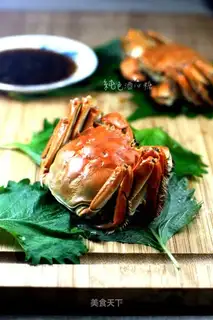
Perilla is a commonly used traditional Chinese medicine, while in Japan, it is often used in cooking, especially as an essential accompaniment to sashimi. In a few regions of China, it is also used as a vegetable or to make tea. Perilla leaf, also known as Su Ye, has the functions of releasing the exterior to dispel cold, promoting qi to harmonize the stomach. It is primarily indicated for wind-cold common cold, cough, chest and abdominal fullness, nausea, and vomiting. The seeds, also known as Su Zi, have the effects of calming coughs, relieving asthma, and eliminating phlegm. The entire perilla plant can be distilled to produce perilla oil, and the oil from the seeds is also called perilla seed oil. Long-term consumption of perilla seed oil has shown significant therapeutic effects on coronary heart disease and hyperlipidemia.
Moreover, perilla is good at promoting qi and harmonizing the middle jiao, regulating qi to calm the fetus. It is especially suitable for symptoms like loss of appetite, nausea and vomiting, and restless fetal movement caused by morning sickness. This product contains volatile oil, mainly perillaldehyde and L-limonene, which can promote the secretion of digestive juices and enhance gastrointestinal motility. A decoction of perilla also inhibits intestinal pathogenic bacteria such as *Escherichia coli* and *Shigella*. It can also alleviate vomiting, diarrhea, and abdominal discomfort caused by eating contaminated meat.
Microwave Steamed Crab with Perilla
4. Hawthorn
Hawthorn is a drupe with a hard pit and thin, slightly astringent and sour flesh. The fruit can be eaten raw, made into preserves, or candied. When dried, it can be used as medicine. It is a unique Chinese tree species valued for both its fruit and medicinal properties. It has effects of lowering blood lipids and blood pressure, strengthening the heart, and anti-arrhythmia. It is also an excellent remedy for strengthening the spleen and stimulating the appetite, promoting digestion to resolve stagnation, invigorating blood to resolve phlegm, and is very effective for conditions like chest and diaphragmatic fullness, hernia, blood stasis, and amenorrhea. The flavonoid compound vitexin in hawthorn has strong anti-cancer properties, and its extract has a certain effect in inhibiting the growth, proliferation, invasion, and metastasis of cancer cells in the body. Furthermore, hawthorn can resolve food stagnation and stop diarrhea. Hawthorn is particularly good at resolving meat stagnation. You can relieve this by boiling 20 fresh hawthorns, eating the flesh, and drinking the juice. For children with chronic diarrhea due to spleen deficiency, take fresh hawthorn (peeled and pitted) and Chinese yam in equal parts, add an appropriate amount of sugar, mix well, steam, and press into hawthorn-yam cakes that children love. This has the effect of strengthening the spleen to awaken the appetite and relieving bloating and stagnation.
Chestnut, Hawthorn, Goji Berry, and Black Rice Paste
5. Tea
Tea contains nearly 500 nutritional components. The main ones are caffeine, theophylline, theobromine, choline, xanthine, flavonoids and their glycosides, tannins, catechins, terpenes, phenols, alcohols, aldehydes, acids, esters, aromatic oil compounds, carbohydrates, various vitamins, proteins, and amino acids. The "Bencao Shiyi" (Supplement to Materia Medica) of the Tang Dynasty records the effect of tea as "long-term consumption makes one lean." Ethnic minorities in China's border regions have the saying, "One cannot go a day without tea." This is because tea has the important functions of aiding digestion and reducing fat. In modern terms, it helps with "weight loss." This is because the caffeine in tea can increase the secretion of gastric juice, which aids digestion and enhances the ability to break down fat. This is the principle behind "long-term consumption makes one lean."
In addition, related research shows that regular tea consumption can effectively regulate common gastrointestinal dysfunction and promote digestion. Furthermore, the study also indicates that drinking 10 cups of tea a day can reduce the risk of heart disease, so people with heart disease should consume more tea in their daily lives.
Matcha Soy Milk
 Microwave
 Porridge
 Almond lilies
 Sugar Jelly Ridge
 Chi Fung Small Square