"Nourish in autumn and winter, and be as strong as a tiger next year." Traditional Chinese Medicine (TCM) believes that the standard for a healthy body is abundant Qi and blood. In autumn, it's essential to nourish your Qi and blood. With sufficient Qi and blood, your circulation and metabolism will improve, leading to better overall health—firm muscles, rosy skin, bright eyes, abundant energy, and even thick, lustrous hair. Below, we recommend 10 foods to enrich your Qi and blood.
1. Pigeon Meat
Pigeon meat is rich in hemoglobin, with 9.5% more protein than pork, yet very low in fat. Its nutritional value is superior to chicken, and it's easier to digest and absorb. For women, eating pigeon meat not only replenishes blood but also improves complexion. Furthermore, due to the strong secretion of sex hormones in pigeons, TCM believes it can tonify the kidneys and strengthen yang, and it has a significant therapeutic effect on recovery from overuse of the brain and neurasthenia.
Moreover, the bones of squab are rich in chondroitin, comparable to that in deer antler. Regular consumption can enhance skin cell vitality, improve skin elasticity, boost blood circulation, and promote a rosy complexion. Squab contains more branched-chain amino acids and arginine, which can promote protein synthesis in the body and accelerate wound healing.
Steamed Pigeon Soup
2. Mulberry
Mulberry has a sweet and cold nature, with effects of nourishing the liver and kidneys, promoting the production of body fluids to moisten dryness, and blackening hair and brightening the eyes. In folk culture, mulberry is known as the "blood-nourishing fruit." It is also the fruit known to be the richest in natural iron. Because of its powerful effect on invigorating blood and nourishing blood, it also has beauty benefits to some extent. However, pregnant women, especially those in the first trimester, should avoid it. Modern pharmacological research also shows that mulberry can supplement the lack of gastric juice when it enters the stomach, promote digestion, stimulate the gastric mucosa when it enters the intestines, promote intestinal fluid secretion, and enhance gastrointestinal motility, thus having a strengthening and tonifying effect.
Mulberry Wine Jelly
3. Seaweed
Seaweed also has blood-nourishing properties. Due to its rich content of protein, fiber, vitamins, and minerals, these nutrients can promote the body's absorption of iron, thereby achieving a blood-enriching effect. Especially nori, in addition to its excellent blood-enriching effect, is rich in soluble fucoidan, which protects the body from radiation damage. Research has found that seaweed contains substances that enhance immunity and have anti-cancer activity, including special polysaccharides, proteins, lipids, pigments, and low-molecular-weight substances. In traditional Chinese medicine, several types of brown algae, after being cooked, can be used to prevent and treat cancer. The main component of this hot water extract is polysaccharides.
Seaweed Cold Noodles
4. Carrot
Carrots, also known as red radishes and called "ginseng" by the Japanese, contain vitamins B and C, as well as a special nutrient, carotene. Carotene is extremely beneficial for enriching the blood, so making a carrot soup is an excellent blood-enriching tonic. Many people don't like this nutritious vegetable, so you can simply juice the carrots and drink it with a little honey.
Not only that, the quercetin and kaempferol in carotene can increase coronary blood flow, lower blood lipids, and promote the synthesis of adrenaline, thus having the effect of lowering blood pressure and strengthening the heart. Carrots contain potassium succinate, which helps prevent arteriosclerosis, lower cholesterol, and reduce blood pressure. The folic acid in carrots can reduce the risk factors for coronary heart disease. Hypertensive patients experience a significant blood pressure-lowering effect after drinking carrot juice. People who eat more carrots have almost 50% fewer heart disease cases than those who eat fewer carrots.
Carrot Rice Balls
5. Peanut
Peanuts contain nutrients such as protein, fat, carbohydrates, vitamins A, B6, E, K, and minerals like calcium, phosphorus, and iron. They contain 8 essential amino acids and unsaturated fatty acids for the human body, as well as substances like lecithin, choline, carotene, and crude fiber. TCM believes that the effects of peanuts are harmonizing the spleen and stomach, nourishing blood to stop bleeding, and lowering blood pressure and lipids. The "nourishing blood to stop bleeding" effect is mainly due to the red skin of the peanut. According to TCM theory, "the spleen governs the blood." People with Qi deficiency are prone to bleeding. The peanut red skin can tonify the Qi of the spleen and stomach, thus achieving the effect of nourishing blood to stop bleeding, which is called "tonifying Qi to stop bleeding" in TCM.
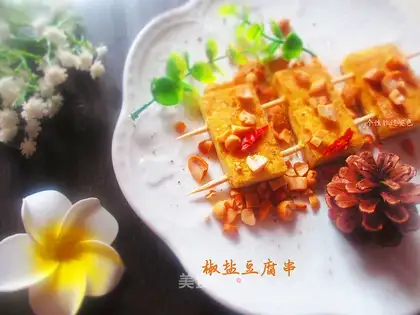
Sucking-Finger Tofu Peanut Stewed Pig's Trotter
 The saloon is frozen
 Eggs and toast
 Precious tofu
 Hot melon soup
 Onion fried eggs