Autumn is the season for nourishment, but how should one eat? First, one must nourish the lungs. The Yellow Emperor's Inner Canon tells us that the organ corresponding to autumn is the lung. The lung is the body's most important respiratory organ. If the heart is the general, then the lung is the minister of the state. If the heart is honored as the king, then the lung is the prime minister, and one can imagine the lung's status. A person can live for 7 days without water, but will die if they don't breathe for 5 minutes. Therefore, nourishing the lungs is very important. Some lung diseases can directly endanger life. So, what foods should one eat to nourish the lungs? Below, we recommend 10 foods for everyone. Let's take a look.
1. Pear
Pears are one of the fruits available in autumn and are also the most common fruit. Traditional Chinese medicine (TCM) believes that white foods enter the lung meridian, and as pears are white, they have the effect of nourishing the lungs. At the same time, pears are cool in nature and slightly cold, clearing lung qi and promoting the production of fluids to moisten dryness. Therefore, for autumn respiratory system diseases and excessive phlegm, snow pears can be used to clear heat and transform phlegm. In addition, snow pears are also rich in malic acid, vitamins, and carotene, and eating them is beneficial to health. There are many ways to eat snow pears: they can be eaten raw, made into juice, or stewed with Chuanbei (Fritillaria bulb) and honey, which is especially effective for persistent coughs. Of course, if your digestive system is not particularly strong, it's better to cook them for a better effect.
Sweet Corn and Pear Soup
2. Tremella (Silver Ear Fungus)
Tremella is one of the fungal plants, known as the "king of fungi." It is also a white food. TCM believes that tremella is sweet, bland, neutral, and non-toxic. It has the effects of tonifying the spleen and stimulating the appetite, as well as replenishing qi, clearing the intestines, nourishing yin, and moistening the lungs. It can not only enhance human immunity but also improve the tolerance of cancer patients to radiotherapy and chemotherapy. Tremella is rich in natural plant-based gelatin and has a moistening effect, making it an excellent skin-nourishing food for long-term consumption.
In addition, tremella also contains trehalose, pentosans, mannitol, and other liver glycogens. It is highly nutritious, has the effect of strengthening the body, and is a high-grade nourishing tonic.
Beauty-Enhancing Tremella and Lotus Seed Soup
3. Honey
Honey has the function of clearing heat. When consumed on an empty stomach, it not only moistens the lungs but also beautifies the skin, aids digestion, and eliminates intestinal toxins. Honey is the essence of bees and even more so the essence of flowers. Among all types of honey, winter honey is the most nourishing, rich in minerals, amino acids, glucose, fructose, and more. It nourishes, moistens, and detoxifies, making it truly a superb health product. Moreover, honey can balance blood sugar and reduce the feeling of hunger because its main components, glucose and fructose, are monosaccharides. Monosaccharides are converted into energy and absorbed by the body without needing to be digested, causing blood sugar levels to rise. Therefore, just a little honey can reduce your feeling of hunger and prevent you from eating too much food. It is generally best to drink honey with warm water. Never use boiling water, as it can easily alter its flavor and affect its health benefits. At the same time, infants and young children should generally not consume honey.
Honey Cake
4. Lily Bulb
In addition to containing nutrients such as 21.29% protein, 12.43% fat, 11.47% reducing sugar, 1.61% starch, calcium, phosphorus, iron, 1.443 mg of vitamin B, and 21.2 mg of vitamin C per 100 grams, lily bulbs also contain some special nutritional components, such as colchicine and other alkaloids. The combined effect of these components on the body not only provides good nutritional nourishment but also has a certain preventive and therapeutic effect on various seasonal diseases caused by the dryness of autumn's climate. TCM states that fresh lily bulbs have the effects of nourishing the heart to calm the mind and moistening the lungs to stop coughs, which is very beneficial for people who are weak after an illness. Furthermore, cooking lily bulbs with japonica rice makes the lung-clearing effect even more obvious. In daily life, you can also stir-fry lily bulbs or use them in soups, both of which are quite effective.
Lotus Seed and Lily Bulb Tremella Drink
5. Chinese Yam (Shanyao)
Chinese yam is a perennial herb with rich nutritional value. Its mixture of sugars and proteins has the effect of tonifying the spleen and nourishing the stomach. At the same time, Chinese yam contains saponins and mucilage, which have lubricating and moisturizing effects. Therefore, it can benefit lung qi, nourish lung yin, and treat symptoms such as lung deficiency, phlegmatic cough, and persistent cough. It has the effect of clearing the lungs and tonifying the kidneys.
Moreover, Chinese yam can also delay aging. Modern science has proven that Chinese yam can significantly reduce the activity of enzymes that accelerate aging in the body. Ba Wei Di Huang Wan, which contains Chinese yam, is mainly used to treat excessive sweating after childbirth. Bao Yuan Qing Jiang Tang and Bao Yuan Han Jiang Tang can treat hematemesis and epistaxis (nosebleeds); Han Lin Tang and Gao Lin Tang can treat strangury. Chinese yam can also treat tuberculosis, typhoid fever, and women's diseases, all of which are conducive to longevity. There are many ways to eat Chinese yam. The Chinese yam and coix seed congee is a premium among congees. In addition, stewing Chinese yam with pork ribs is not only refreshing but also has great health benefits.
Quick Microwave Sliced Pork and Chinese Yam Soup
 Easy-to-hand toothbrush cookies
 Sweet tacos
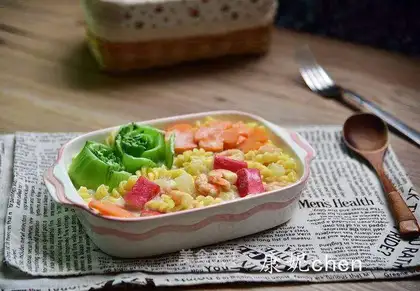 Italy Noodles
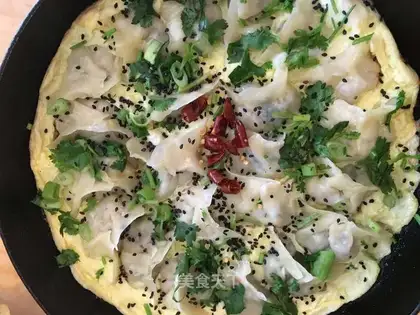 The celery celery casserole
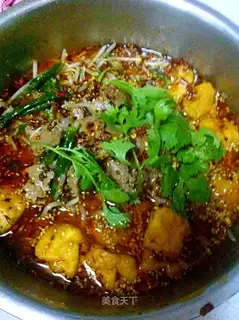 Boiled beef