After the Beginning of Autumn, the season for nourishing the body begins again. Some people are accustomed to using animal products for nourishment, but in fact, some vegetarian foods have nutritional and tonic effects that are no less than those of meat dishes, and lotus root is an ideal vegetarian food. As the saying goes: "The lotus plant is a treasure in itself, and the autumn lotus root is the most nourishing for people." After the Beginning of Autumn, fresh lotus root becomes a common dish on the dining table. Eating lotus root in autumn has 7 major health benefits:
1. Lowers blood sugar, lipids, and benefits the intestines
Lotus root is rich in dietary fiber but not high in calories, thus it can help control weight, lower blood sugar and cholesterol levels, promote intestinal peristalsis, and prevent constipation and hemorrhoids. Fresh lotus root and ginger juice can also treat intestinal inflammation.
Braised Lotus Root with Rock Sugar
2. Anti-aging, anti-cancer, and rich in Vitamin C
The sugar content of lotus root is not very high, but it is rich in Vitamin C, which is very beneficial for patients with liver diseases, constipation, and diabetes. Lotus root is also rich in polyphenols, which can improve immunity, slow down the aging process, and prevent cancer.
3. Relieves pain, reduces stress, and protects the heart
Lotus root is rich in B vitamins (especially Vitamin B6). Supplementing with B vitamins helps reduce irritability, relieve headaches, and alleviate stress, thereby improving mood and reducing the risk of heart disease.
4. Nourishes blood, benefits the mind, and aids digestion
Fresh lotus root is rich in trace elements such as copper, iron, potassium, zinc, magnesium, and manganese. Among tuber vegetables, lotus root has a high iron content, making it most suitable for people with iron-deficiency anemia. The various trace elements in lotus root are beneficial for the production of red blood cells and for maintaining the normal function of muscles and nerves. In addition, these nutrients also help secrete digestive enzymes and improve digestion.
Chicken Soup with Chinese Yam and Lotus Root
5. Stabilizes heart rate and lowers blood pressure
The sodium-to-potassium ratio in lotus root is 1:5. A low sodium and high potassium content is beneficial for regulating blood pressure and heart rate, which is good for heart and overall health.
6. Supplies Vitamin K and prevents bleeding
Lotus root is rich in Vitamin K, which has a hemostatic effect. Drinking fresh lotus root juice can help prevent bleeding.
7. Expectorant, antitussive, and prevents asthma
Fresh lotus root juice can also be used to treat respiratory diseases such as coughs, asthma, and pneumonia. Hot lotus root tea has an antitussive and expectorant effect.
Trotter and Lotus Root Soup
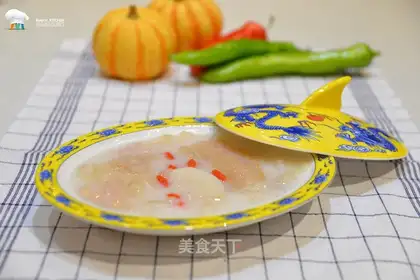 It's Sydney Silver Ears
 ♪ The rice ♪
 Ice cream