The harvest season is here, with a large variety of fresh vegetables flooding the market. How do you choose the most seasonal and nutritious ingredients? Experts have recommended some foods that are not only nutritious but also very easy to digest. More importantly, these foods are affordable and widely available. Let's take a look.
1. Jerusalem Artichoke: Regulates blood sugar, relieves dizziness
Jerusalem artichoke, also known as sunchoke or Chinese artichoke, contains a substance very similar in structure to insulin, which helps lower blood sugar. At the same time, when people experience dizziness from low blood sugar, holding a piece of Jerusalem artichoke in the mouth can provide immediate relief. It can be eaten raw or cooked, each with its own unique flavor. When made into pickles or candied treats, the taste is even better.
2. Konjac: Prevents arteriosclerosis, boosts immunity
Konjac is rich in vitamins, plant fiber, and a certain amount of mucin protein, which helps prevent arteriosclerosis and cardiovascular diseases. Eating konjac can also improve the body's immunity. The mannose and excellent dietary fiber it contains have anti-cancer effects, and it can prevent constipation and reduce the absorption of fat by the intestines. Konjac can be used in various dishes, such as cold-dressed konjac with celery, stir-fried konjac with peas, and konjac and egg soup. However, raw konjac is toxic and must be cooked for about 5 minutes before eating, and the portion size should not be too large.
Spicy Konjac
3. Tomato
Autumn tomatoes are at their peak ripeness, richest in lycopene, and generally do not require ripening agents. It's also easy to get sunburned and tanned in the fall, and lycopene, an antioxidant, can eliminate free radicals caused by ultraviolet rays. You don't need to apply lycopene to your skin like sunscreen; it works inside your body, protecting you wherever you go, not just in the sun. Lycopene is a fat-soluble vitamin, so it is more compatible with oils. It is better absorbed when stir-fried with oil or used in tomato soup.
4. Spinach
Autumn spinach receives more sunlight, making its content of nutrients like lutein and chlorophyll even richer. Therefore, autumn spinach is greener and appears more substantial. In the fall, it's important to pay attention not only to dry skin but also to eye fatigue and aging. Spinach is a good source of vitamin B2 and beta-carotene. When vitamin B2 is sufficient, the eyes are less likely to be bloodshot; beta-carotene can be converted into vitamin A in the body, preventing symptoms of "dry eye" such as dryness after using a computer.
5. Taro: Cleans teeth, prevents cavities, and helps prevent cancer
Taro is a great alkaline food. Among its elements, it is rich in fluorine, which helps clean teeth, prevent cavities, and protect teeth. Taro contains a natural polysaccharide high-molecular plant gel, which has a good anti-diarrheal effect and can enhance the body's immune function. Traditional Chinese medicine believes that taro is beneficial for the stomach, relieves constipation, detoxifies, and nourishes the liver and kidneys. Therefore, taro can be used as a staple food in medicinal diets for cancer prevention, providing adjuvant therapeutic effects for patients with breast cancer, thyroid cancer, and malignant lymphoma. Taro can be eaten as a main course, steamed and dipped in sugar, or made into taro milk pudding, taro rolls, etc. But be sure to cook taro thoroughly, as its mucus can irritate the throat, and don't eat too much at once.
Taro Sago Sweet Soup
6. Lotus Root
Autumn is the season for lotus root harvest, and it is also when its texture and nutrition are at their best. Fresh lotus root contains not only a large amount of carbohydrates but also rich amounts of protein, vitamins, and minerals. Raw lotus root is cool in nature and has the effect of clearing heat and relieving vexation, making it especially suitable for people who get pimples due to blood heat. After cooking, its nature changes from cool to warm, with the effects of nourishing the stomach and yin, strengthening the spleen, replenishing qi and blood, and stopping diarrhea. It is a great food for nourishment, especially suitable for people with weak spleen and stomach, and insufficient qi and blood, who experience dry skin and a dull complexion. The node sections of the lotus root are even a good medicine, strengthening the spleen and whetting the appetite, nourishing blood, stopping bleeding, and helping to improve complexion.
7. Fresh Jujube
Autumn fresh jujubes are fully ripe and at their sweetest, making it the best time of the year to eat them. Fresh jujubes are rich in iron, which gives the skin a healthy glow, and contain a very high amount of vitamin C—70 times that of apples, 16 times that of oranges, and 8 times that of kiwis. The vitamin C in fresh jujubes is the best weapon against free radicals and aging. It can reduce melanin, inhibit its production, lighten spots and pigmentation, and improve skin complexion.
8. Honey
In the fall, a large amount of fresh honey is available, with many types of nectar to choose from. The autumn climate is dry, and fresh honey has a great moisturizing effect. Honey is particularly nutritious; its main components are glucose and fructose, which account for 70% of its content. It also contains amino acids, vitamins A, C, D, and iron, calcium, etc. Additionally, honey is the food with the most enzymes, which can effectively help the body digest and absorb.
Honey and Multigrain Porridge
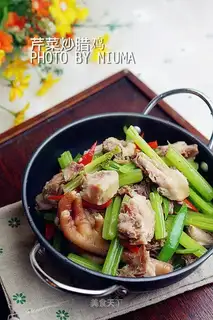 Celery for chicken
 ♪ Love breakfast bag ♪
 Souffle